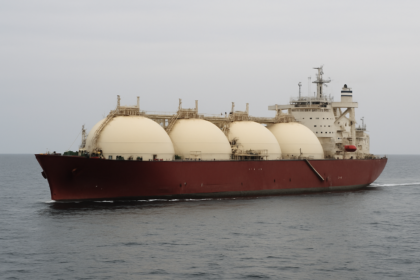
A Singapore-flagged containership was struck by an unknown projectile approximately 7.5 nautical miles southeast of Dahit, Oman, marking a significant escalation in regional tensions. This incident occurred shortly after warnings from Iran’s Islamic Revolutionary Guard Corps (IRGC) that vessels require Iranian permission to transit the Strait of Hormuz.
The Incident
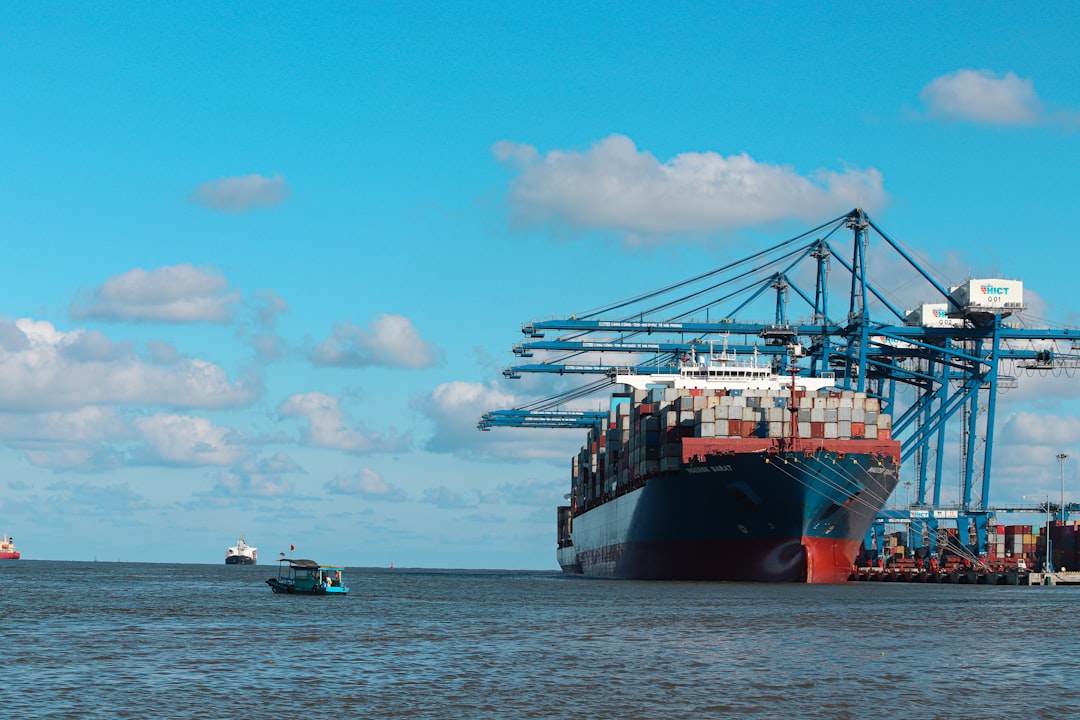
According to the UK Maritime Trade Operations (UKMTO), the projectile hit the starboard side of the vessel, damaging the bridge but resulting in no reported casualties or environmental impacts. UKMTO has since advised vessels to exercise caution while navigating this high-risk area and to report any suspicious activity. The nature of the projectile has not been disclosed, and no group has claimed responsibility for the attack.
IRGC Warnings and Regional Tensions
On the same day as the attack, maritime security firm EOS Risk Group highlighted that commercial shipping traffic had begun to divert after the IRGC broadcast repeated warnings declaring that transit through the Strait was only permitted with Iranian authorization. Martin Kelly, head of EOS Risk Group, emphasized that ships have been turning around in response to these threats, reiterating that non-compliance may result in consequences.

These developments come on the heels of an agreed-upon memorandum between the United States and Iran, aimed at de-escalating hostilities and restoring commercial shipping operations in the region. The day prior to the attack, the International Maritime Organization had started coordinating the phased movement of hundreds of merchant vessels previously trapped in the Persian Gulf.
Concerns for Shipping Operators
The attack on the Singapore-flagged vessel raises critical concerns for shipowners and operators about the volatile security landscape in the Strait of Hormuz. As maritime stakeholders navigate a complex environment characterized by IRGC threats and evolving legal permissions, adherence to established transit protocols will be essential for operational safety. It remains uncertain whether the vessel was adhering to the IMO-coordinated corridor, an Iranian-designated route, or another passage at the time of the incident, adding to the ambiguity surrounding compliance and safety.
The Operational Read
The recent strike serves as a stark reminder of the potential risks operators face in the Strait of Hormuz, underscoring the need for stringent adherence to maritime safety protocols. Shipping companies are advised to enhance their risk assessments and protocols in light of the IRGC’s ongoing declarations about transit permissions. Continued monitoring of regional communications and maintaining open lines with maritime security authorities will be critical in managing operational risks. The future of commerce through this strategic chokepoint hangs in the balance, contingent upon geopolitical dynamics and security arrangements.