Update 07 Sep 2026, 12:35 UTC:
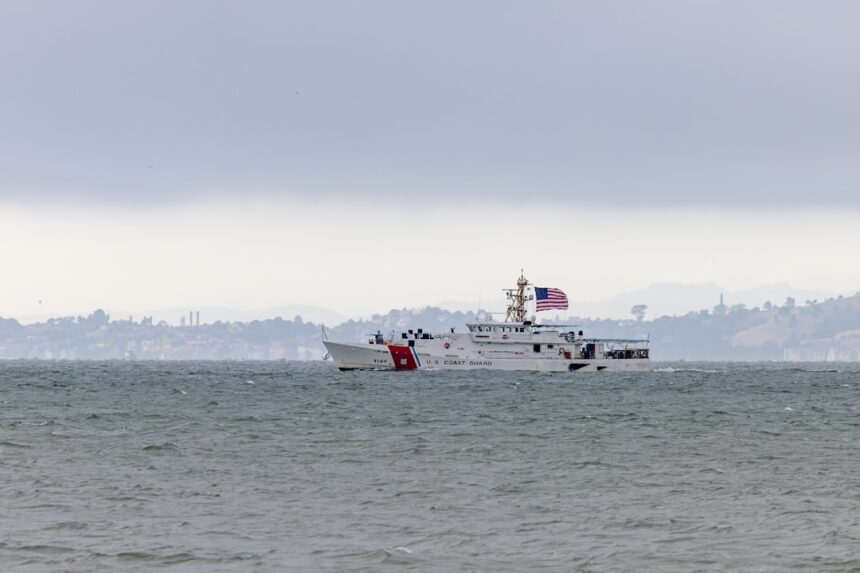
China has notably intensified its maritime patrols east of Taiwan, deploying an average of two Coast Guard cutters per month since June 2026. This development marks a significant shift in China’s approach to maritime enforcement, extending beyond the traditionally contested straits separating the two sides.
The Expanded Patrol Area
This unprecedented enforcement spans roughly 27,100 square nautical miles, more than double Taiwan’s landmass, as calculated using ship-tracking data. China’s vessels have been operating 30 nautical miles from Taiwan’s eastern coastline, thereby avoiding direct incursions into waters claimed by Taiwan. This strategy aligns with military considerations, where controlling these eastern waters could facilitate an effective blockade during potential conflict scenarios.

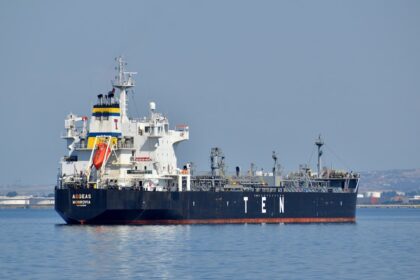
Shipping activity in these waters has increased, with 527 vessels transiting the eastern region in June 2026, surpassing the 420 transits recorded in the more traveled Taiwan Strait. Such traffic signifies the importance of these routes for global commodities, including oil, gas, and agricultural products.
Geopolitical Implications
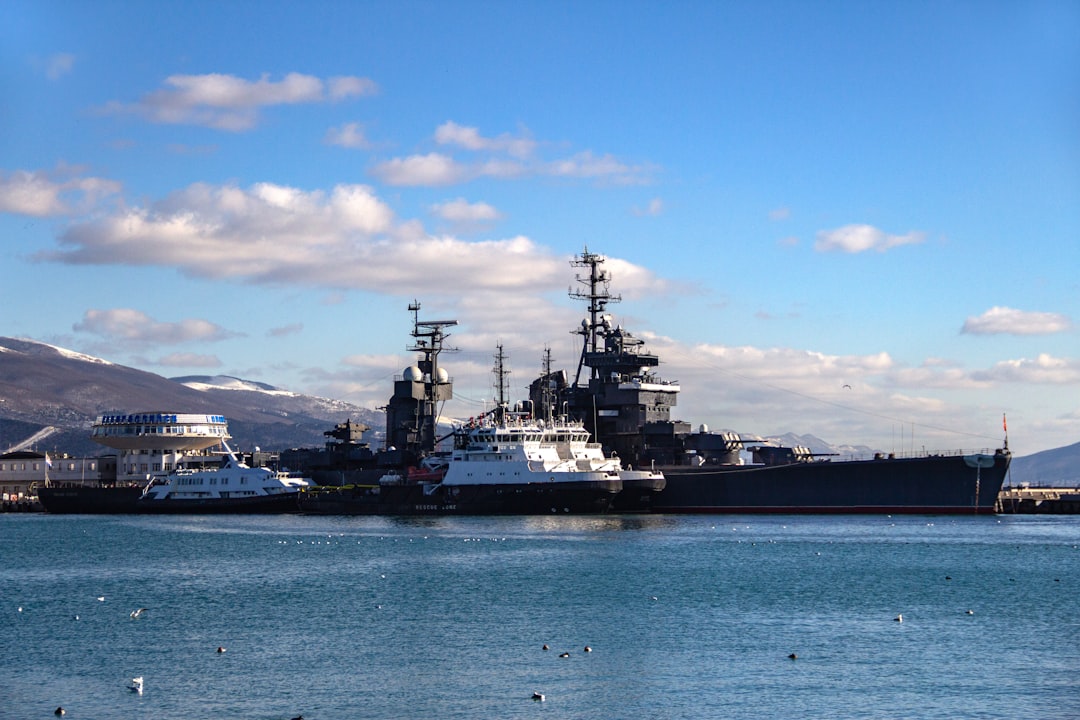
China’s Coast Guard has labeled these operations as “routine law-enforcement” measures while simultaneously enhancing its presence in response to geopolitical developments, including Japan and the Philippines defining their overlapping maritime boundaries. The Taiwan Coast Guard has reacted strongly, emphasizing that China’s operational mandate has shifted towards establishing a new maritime norm in these waters.
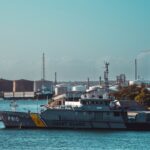
U.S. officials have expressed deep concerns over what they characterize as destabilizing activities by China in these strategic areas. Reports indicate China’s deployment of vessels such as the 5,000-ton Daishan and the 3,000-ton Baita serve not only for enforcement but also as a platform for ongoing military exercises aimed at encircling Taiwan.
The Operational Read
The recent shifts in China’s Coast Guard strategy in the Pacific not only raise the stakes for Taiwan but also create significant ripples in global shipping and trade. The East Taiwan Sea, now more crucial than ever, plays a pivotal role in regional supply chains, particularly in facilitating military logistics for the US and its allies. As China’s presence expands, ships navigating these waters may encounter increased scrutiny and potential delays. Shipping operators will need to recalibrate their risk assessments while monitoring the situation closely, as future developments could further complicate access to these vital sea lanes.