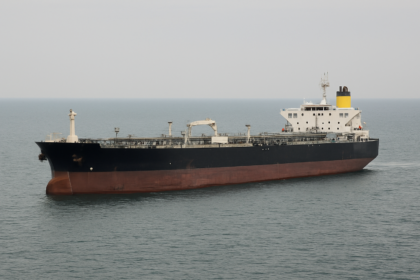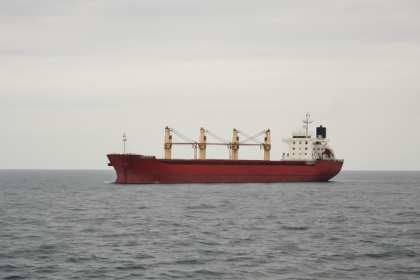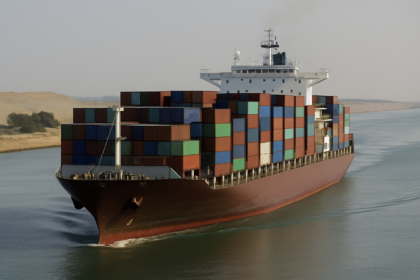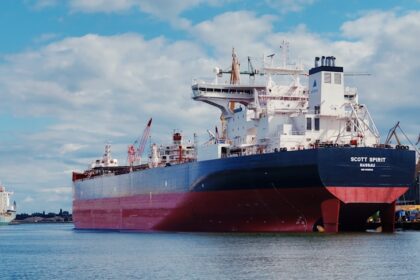


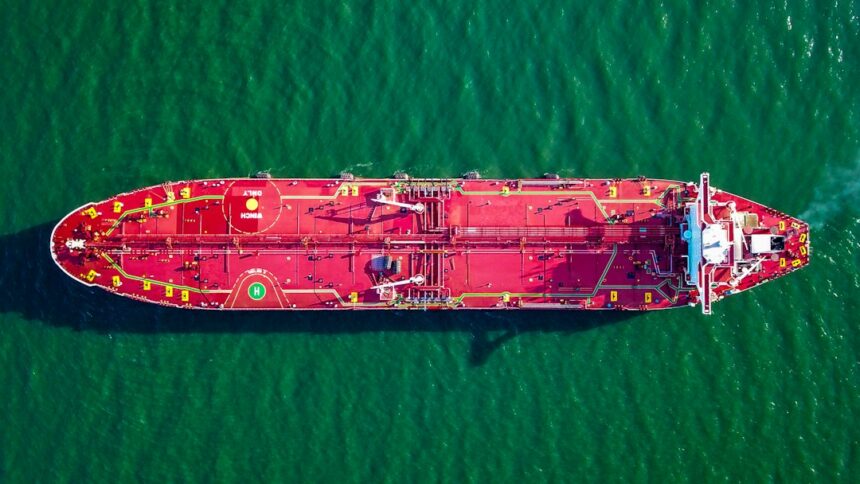
Iran’s Islamic Revolutionary Guard Corps (IRGC) reported on Thursday that seven commercial vessels were struck overnight in the Persian Gulf, escalating tensions in a crucial global trading route. Among these vessels, four were allegedly conducting ship-to-ship oil transfers, prompting accusations from U.S. officials, including President Donald Trump, that Iran is staging incidents to artificially inflate oil prices.
The Incidents Reported
The IRGC claimed that four vessels engaged in oil transfers in the northern Persian Gulf were struck simultaneously on Wednesday, lighting fires aboard the ships. Additionally, the IRGC reported that three other vessels had struck naval mines west of the Strait of Hormuz, although none of these claims have been independently substantiated. The Iranian military did not provide details on the vessels involved or the American company purportedly linked to the incidents, nor were there immediate reports of casualties or oil spills.
The UK Maritime Trade Operations (UKMTO), which monitors maritime safety in the region, has not published any incident reports confirming these claims. Despite the IRGC’s announcements, UKMTO has indicated it faces difficulties in verifying the reported incidents, especially as many affected vessels do not report attacks directly to their organization.

Market and Geopolitical Implications
The potential targeting of vessels involved in ship-to-ship oil transfer operations marks a worrying escalation in hostilities. Such transfers have become an essential method for Middle Eastern producers to maintain oil exports amid ongoing tensions and threats from Iranian forces. This improvised network, which often operates under the radar with tankers disabling their AIS transponders to avoid detection, is critical for transporting oil to international markets safely. With the IRGC now claiming direct attacks on these operations, the viability of this method could be severely jeopardized, increasing shipping costs and impacting global oil prices.
The Operational Read
This sequence of reported attacks heightens the operational risks for vessels transiting the Strait of Hormuz, a strategic chokepoint that handles a significant share of the world’s oil. Operators must now evaluate the implications for shipping routes, which may become increasingly unpredictable. The absence of verifiable reports from UKMTO also raises concerns about the overall safety of maritime operations in the region, presenting challenges for charterers planning voyages. Vigilance and clear reporting protocols will be essential moving forward as geopolitical dynamics continue to evolve, particularly with U.S. midterm elections looming and oil prices already under pressure.