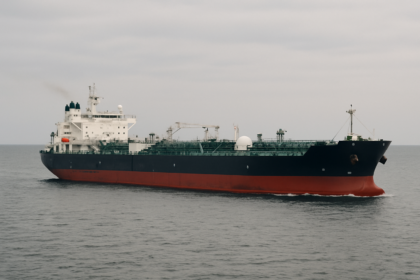



Super Typhoon Champi, which strengthened into a Category 5-equivalent storm on October 21, is expected to pose significant risks to port operations along the eastern coast of China, particularly at Shanghai and Ningbo. The Hong Kong Observatory reported maximum sustained winds near the storm’s center reaching 240 kilometers per hour as it advances toward the waters east of Taiwan.
The Impact on Ports
Market participants noted that preexisting congestion at Shanghai and Ningbo was already causing average delays of about four days. With the approaching typhoon, these delays are anticipated to worsen significantly, with estimates suggesting port disruptions could continue for one to two weeks once the storm makes landfall. According to a representative of a China-based shipping company, “Congestion-related delays are expected to increase, with ports potentially affected for one to two weeks. Freight rates may also rise.”
Market Reactions and Freight Rates
The estimated date for Typhoon Champi’s influence on the Chinese coast is around Saturday and Sunday, October 24-25. A Southeast Asian shipper indicated that clarity on the extent of port disruptions should be available by Monday, October 26. In light of the impending storm, carriers have begun omitting port calls to affected areas, a strategy intended to manage delays but which has further tightened available shipping space for the trade route from North Asia and Southeast Asia to Australia.


Reports from an Australian port authority mention that September saw approximately five vessel calls skipped across four services, increasing the space constraint within these busy trade lanes. In the meantime, the Platts pricing service, part of S&P Global Energy, indicated stable freight rates for containers moving between North Asia and Australia, with the PCR 45 North Asia to East Coast Australia rate assessed at $5,300 for a forty-foot equivalent unit (FEU) and the PCR 47 North Asia to West Coast Australia rate at $5,200 per FEU.
Behind the Headline
The operational realities of impending severe weather can cause significant disruptions at major container ports, primarily impacting loading and unloading schedules. As operators adapt to the evolving situation, charterers should prepare for increased laytime and potential demurrage charges resulting from extended port stays. Additionally, the implications of the typhoon extend beyond direct congestion; they can influence freight rates, potentially creating ripple effects throughout the supply chain. Future shipping schedules must be monitored closely in the coming days as assessments post-storm unfold.