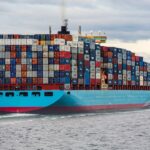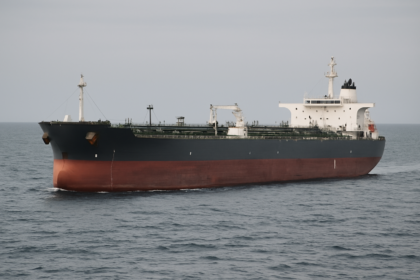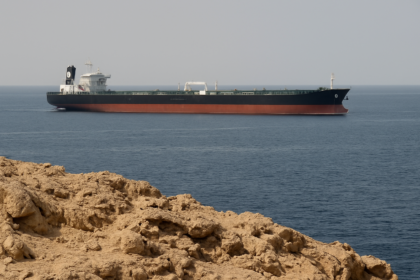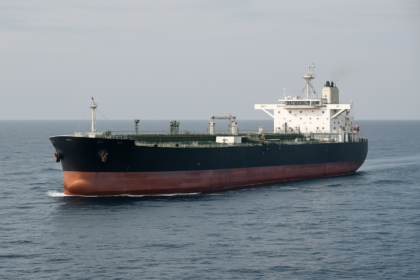
In the wake of heightened tensions in the Strait of Hormuz, U.S. Navy operations are critical in ensuring the safety of oil transport through one of the world’s key maritime chokepoints. According to U.S. Energy Secretary Chris Wright, oil flow through the strait is critical, averaging over 9 million barrels per day, and remains essential to global energy security.
Ongoing Military Presence
Wright emphasized the importance of U.S. military escorts for tankers transiting the strait, indicating that these operations are unlikely to wane soon. His remarks come amidst reports that the U.S. Navy has conducted defensive operations involving strikes against Iranian vessels that posed a threat to U.S. warships. The situation underlines the precarious security environment in the region, which has seen a series of incidents escalating tensions between the U.S. and Iranian forces.
The Strategic Importance of Oil Flows
Historically, the Strait of Hormuz has facilitated approximately one-fifth of the world’s oil and gas shipments. Recent statistics reveal that the region is recovering to “two-thirds or more of pre-conflict flows,” following initial disruptions caused by military actions, including U.S.-Israeli strikes that began on February 28. Wright pointed out that last week alone, around 17 million barrels of oil transited the strait, underscoring the vital nature of naval operations for maintaining energy supplies globally, especially during a period of unstable oil prices.


Market Reactions and Political Implications
The sustained military presence and ongoing tensions have raised concerns regarding fuel prices, which hit record levels in the U.S.; unleaded gasoline averaged $4.15 per gallon as of early September, while diesel prices reached $5.88. Such increases have significant implications for consumer markets and political dynamics ahead of the upcoming midterm elections, with calls for further federal action to stabilize prices.
The Operational Read
The operational landscape in the Strait of Hormuz reflects an increasing reliance on military assurance to safeguard commercial shipping and energy flows. Shipping operators are likely to face heightened insurance premiums and operational challenges, particularly as geopolitical tensions persist. The U.S. Navy’s role may set a precedent for prolonged military engagement in navigation support, shaping the strategic framework for responses to emerging threats. Attention will remain focused on potential partnerships with other nations that may enhance cooperative security measures in this critical maritime corridor.