Update 02 Sep 2026, 18:35 UTC:
Saudi Arabia’s crude oil exports suffered a significant decline in August, plummeting to approximately 3 million barrels per day, marking the lowest level recorded in nine years. This downturn is attributed to increasing attacks on tankers amid escalating tensions in the Middle East, as confirmed by tanker-tracking data from multiple sources.
The Attacks and Their Implications
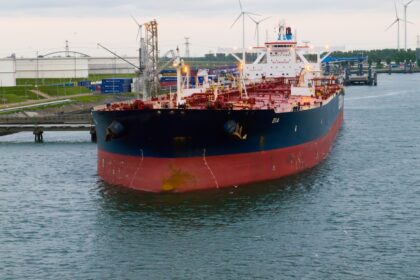
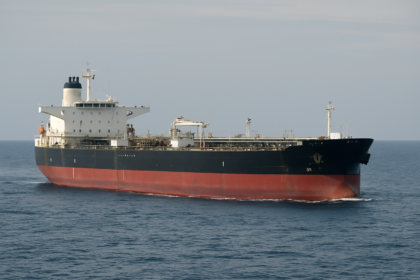
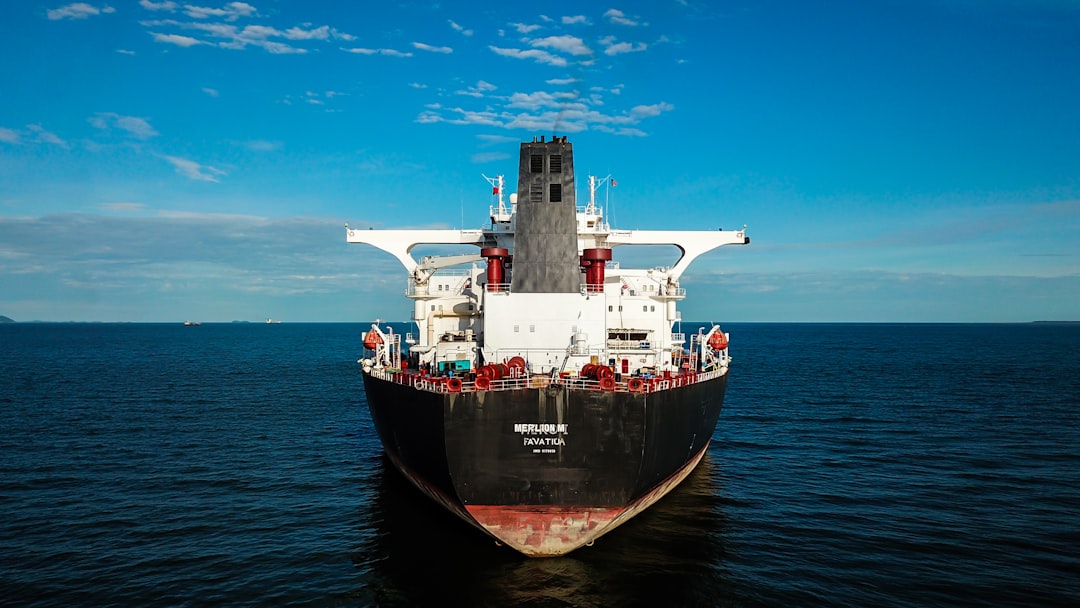
Saudi vessels have recently been targeted in the Red Sea by Yemen’s Houthi militants. This escalates risks for maritime operations on a route that has been vital for the kingdom since the onset of the conflict in February, when the Strait of Hormuz became perilous for shipping. Among the vessels under attack was a ship belonging to Bahri, Saudi Arabia’s national shipping line, resulting in the tragic loss of two seafarers.


The repercussions of these attacks are severe, as apprehensive customers are beginning to shy away from utilizing Saudi ports, which threatens to disrupt established supply chains. This cautious approach is prompting Riyadh to explore alternative shipping routes, potentially extending voyages around Africa by thousands of miles.
Export Trends and Market Reactions
Prior to this downturn, Saudi Arabia adapted its operations following the conflict’s outbreak, shifting its oil exports to the Red Sea coast as Tehran intensified measures against vessels passing through Hormuz. This adaptation initially helped mitigate upward pressure on oil prices and shielded economies from inflation spikes. In fact, shipments from the Red Sea port of Yanbu surged to around 4.3 million barrels per day in June, compared to just 770,000 barrels a day in January. However, with the recent actions by Houthi forces leading to a blockade on Saudi shipping, exports through this route have since dropped to roughly 2.25 million barrels per day.
Alongside challenges in the Red Sea, crude shipments from the Persian Gulf also faced a setback in August after showing slight recovery in July. Indicators from various monitoring sources suggest that while there may be increases in loadings at terminals like Ras Tanura, geopolitical tensions are contributing to heightened market volatility.
The Operational Read
The decline in Saudi crude exports underscores the complex operational realities facing the shipping industry, particularly regarding security and route viability. For operators navigating this volatile environment, the risks associated with area transit are climbing, leading to potential increases in war-risk premiums and insurance costs. As operators recalibrate their strategies and consider alternative routes, the impact on global supply chains cannot be understated. The interplay of geopolitical instability and shipping logistics will require close monitoring, particularly as crude prices remain sensitive to these developments and may influence broader economic trends, including inflation and interest rate decisions.