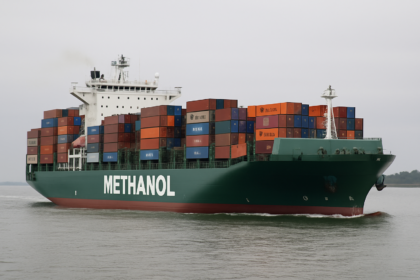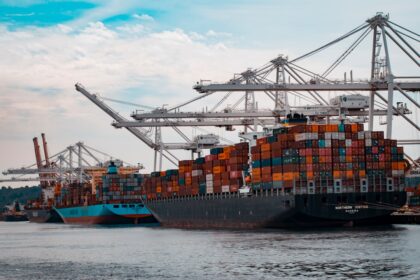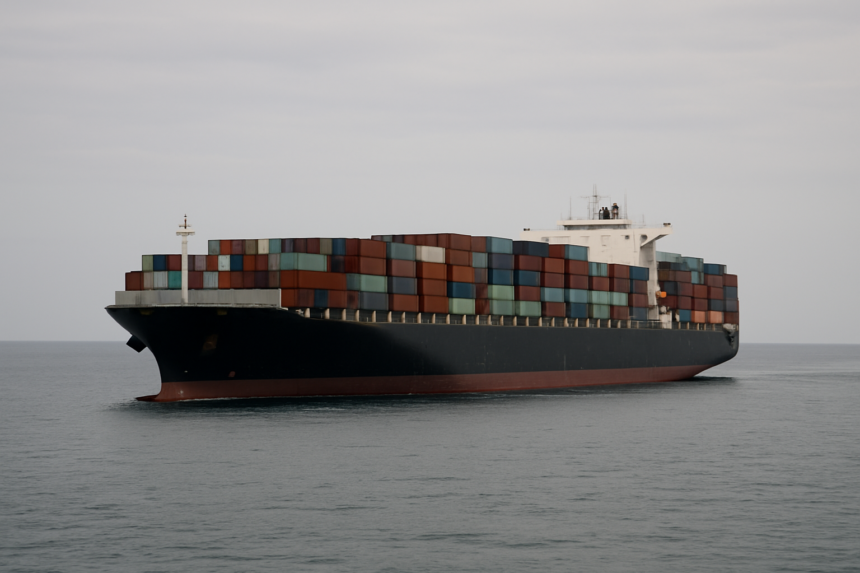
Container shipping rates from Asia to the United States have experienced a notable increase, driven by a surge in cargo volumes as the peak season begins. According to Freight Right Logistics, rates have topped $6,000 per 40-foot equivalent unit (FEU) for the West Coast and $7,500/FEU for the East Coast this week.
Market Dynamics
Robert Khachatryan, CEO of Freight Right, indicated that the escalation in freight rates is largely attributed to a substantial rise in cargo volumes during the first half of June. This increase follows a strategy by shippers to front-load their inventories in anticipation of potential peak-season bottlenecks. As a result, carriers have implemented General Rate Increases (GRI) for late June.
Additionally, importers are rushing to ship products ahead of new tariffs, which have been imposed following a recent US Supreme Court ruling that favored the enforcement of Section 301 tariffs. This shift is part of a broader strategy by the US to move away from temporary surcharges toward permanent tariffs.


The Role of Fuel Costs
Freightos reported a mixed outlook for rates, noting stability on the West Coast but a 4% increase on the East Coast despite the recent surge. Judah Levine, head of research at Freightos, commented that declining bunker fuel costs are expected to alleviate some pricing pressures in the near term. Shippers benefiting from lower Emergency Fuel Surcharges (EFS) will see some relief, although those with annual contracts will still face elevated rates into the third quarter due to lingering Bunker Adjustment Factors (BAFs).
Levine projected that as fuel prices stabilize, freight rates could revert to trends observed prior to the war, with a growing fleet contributing to overall downward pressure on prices. He indicated that a peace agreement could facilitate a return of carriers to the Red Sea, further enhancing this trend.
Industry Implications
The impact of fluctuating container rates extends to various sectors, particularly the chemical industry, where polymers and liquid chemicals are commonly shipped in containers. The ongoing volatility indicates that shipping operators, charterers, and importers must remain agile in their logistics strategies to navigate the complexities of upcoming tariff changes and fluctuating costs.
Behind the Headline
The current dynamics in container shipping highlight the intricate relationship between freight rates, cargo volumes, and regulatory changes. For operators, the early peak season is a critical time to optimize capacities and secure favorable contract terms amid rising rates. As tariff changes loom, importers are compelled to act swiftly, reflecting a broader strategic shift in supply chain management. Future market trajectories will depend not only on the return of carriers to key trade routes but also on the normalization of fuel prices, which could stabilize the otherwise tight rates in the coming months.