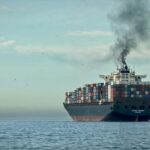
In response to persistent drought conditions affecting the Amazon River, Mediterranean Shipping Company (MSC) has announced low-water surcharges of up to $1,900 per twenty-foot equivalent unit (TEU). This move comes as falling river levels threaten shipping access to Manaus, a key hub for global freight.
The Drought’s Impact
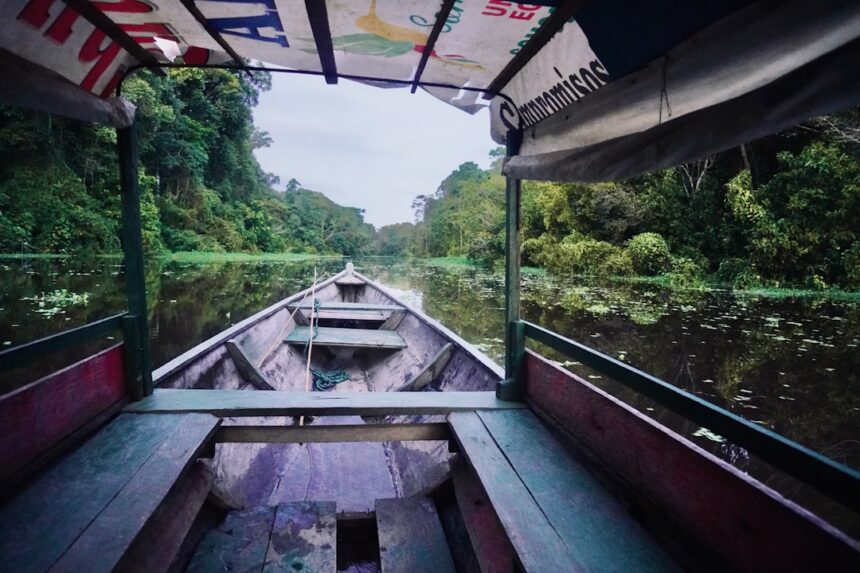
The ongoing dry season is causing significant disruptions along major freight rivers in the Amazon region. These challenges are particularly acute in waters that normally support substantial container traffic. As river levels drop, the operational viability of vessels becomes jeopardized, prompting carriers to devise costly contingency measures to maintain consistent service.
Carriers’ Reactions
In light of these developments, container lines are increasingly focusing on protective surcharges to offset the rising operational costs associated with low water access. MSC’s surcharge is indicative of the fiscal realities confronting shipping operators, who must balance maintaining service against the necessity of charging higher fees to sustain profitability during environmental disruptions.

More Read
Operational Considerations
Shipping operators are now urging stakeholders to brace for potential delays and increased costs as the impacts of the drought deepen. Access to Manaus serves as a critical link in various supply chains, making it essential for shippers to adapt to these conditions and negotiate charter parties that consider possible laytime extensions or demurrage charges arising from operational delays.
Behind the Headline
The situation underscores the growing intersection of climate change and global shipping operations. With drought conditions expected to persist, operators must remain vigilant, reviewing their logistics plans and cost structures. Increased surcharges may well be a precursor to ongoing challenges faced by the industry, necessitating adjustments in freight rates and service offerings. Stakeholders should monitor river levels closely, as the operational capacity to navigate these waterways will significantly affect supply chain reliability and associated costs.