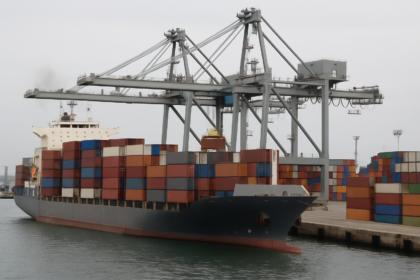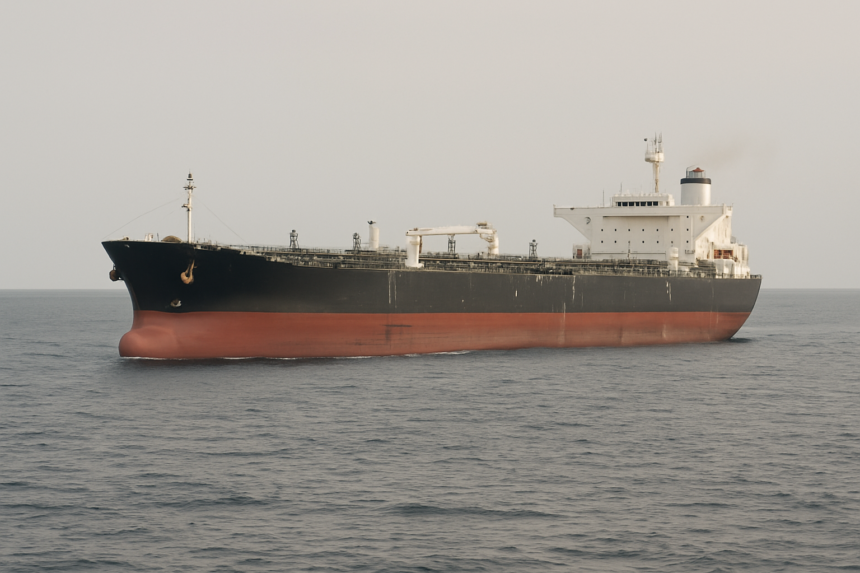
The count of merchant vessels operating west of the Strait of Hormuz has dropped below 700 for the first time since the onset of regional conflict, according to data from AXSMarine. A total of 689 vessels are currently detected in the Persian Gulf, a significant decline from 1,061 vessels recorded in early March, marking a decrease of 372 vessels or approximately 35%.
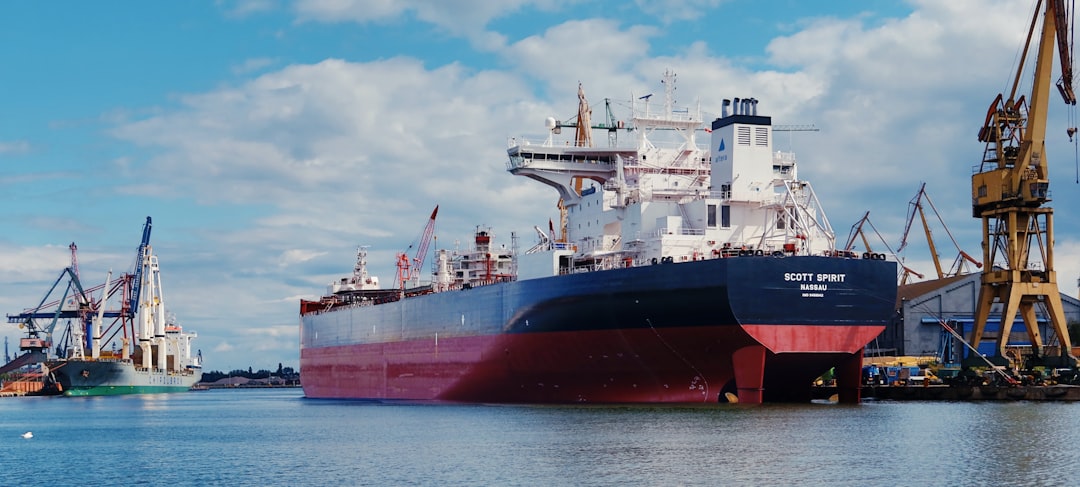
Vessel Composition
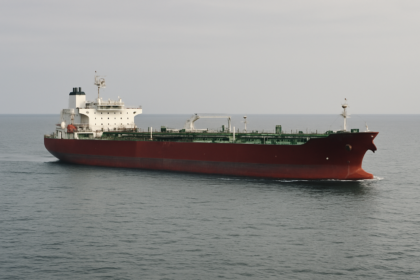
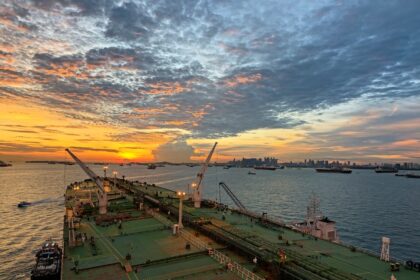
Among the 689 vessels, tankers remain the largest group, accounting for 332 of the total. This includes 91 oil products tankers, 80 chemical/products tankers, 79 crude oil tankers, and various other tanker types. Notably, crude oil tankers are highlighted for having the highest ballast share among all categories; currently, 59 of the 79 crude oil tankers are in ballast.
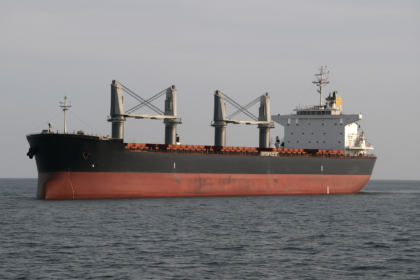
In addition to tankers, the fleet’s composition includes 201 dry bulk and multipurpose (MPP) vessels, consisting of 114 bulk carriers and 87 MPP vessels. The gas carrier sector also features prominently with 49 vessels detected in the region. Among these, 37 are laden, while 12 remain in ballast. Furthermore, 22 LNG carriers are primarily laden, alongside 27 LPG carriers, which are split between 17 laden and 10 in ballast.

Market Implications
This substantial decrease in merchant fleets indicates more than just a number; it reflects the elevated risks faced by shipping operators navigating this volatile region. With the ongoing conflict, the downward trend in vessels may alter logistical planning, influencing trade routes and charter rates given the heightened risk profile.
About 35% of the fleet originally trapped at the conflict’s start is no longer tracked in the area. Operators are advised to remain agile, as diplomatic negotiations and renewed strikes may further impact shipping activities. Changes in military engagement tactics or successful diplomatic efforts could lead to fluctuations in vessel presence at any given time.
Behind the Headline
The decline in merchant vessels operating west of the Strait of Hormuz has immediate implications for shipping operations, particularly in the tanker segment, which has seen a drastic reduction in active vessels. As operators contend with both operational and geopolitical uncertainty, strategies must adapt to potential changes in port accessibility and insurance costs linked to war-risk premiums. The maritime community should closely monitor developments in diplomatic relations and strike activities, which will play a critical role in shaping future vessel deployments and market stability.