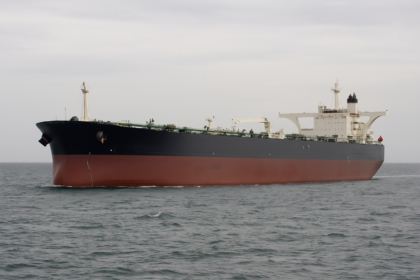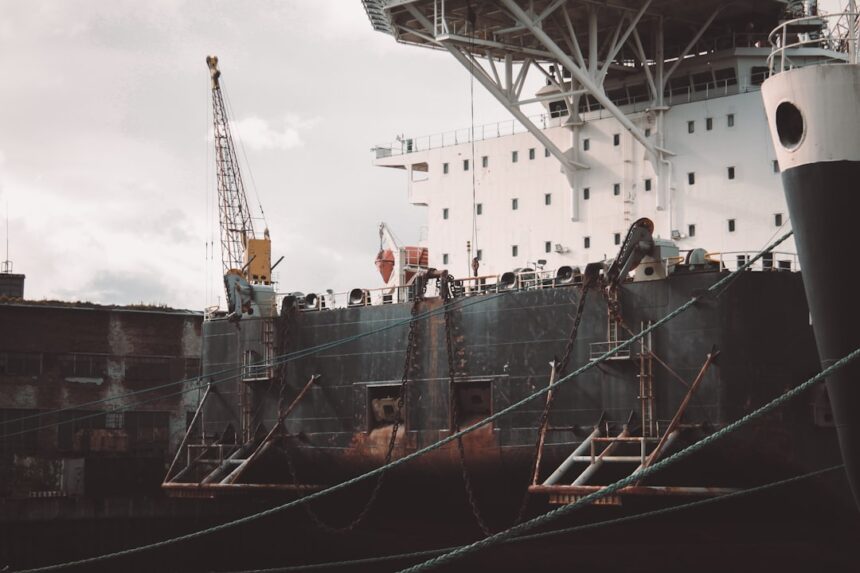
The death of the chief engineer on the Liberian-flagged Minoan Dignity in the Strait of Hormuz has sent shockwaves through the maritime industry, drawing attention to the urgent need for enforceable protections for crews operating in high-risk areas. This incident raises fundamental questions about the safety measures available for seafarers in conflict zones.
The Incident and Its Aftermath
Details surrounding the circumstances of the incident remain sparse. However, it is evident that merchant shipping in the Strait of Hormuz, a crucial chokepoint for global oil transport, is increasingly endangered by geopolitical tensions. The Minoan Dignity’s operation in these waters highlights the inherent risks that crews face daily.
Industry Response and Calls for Action
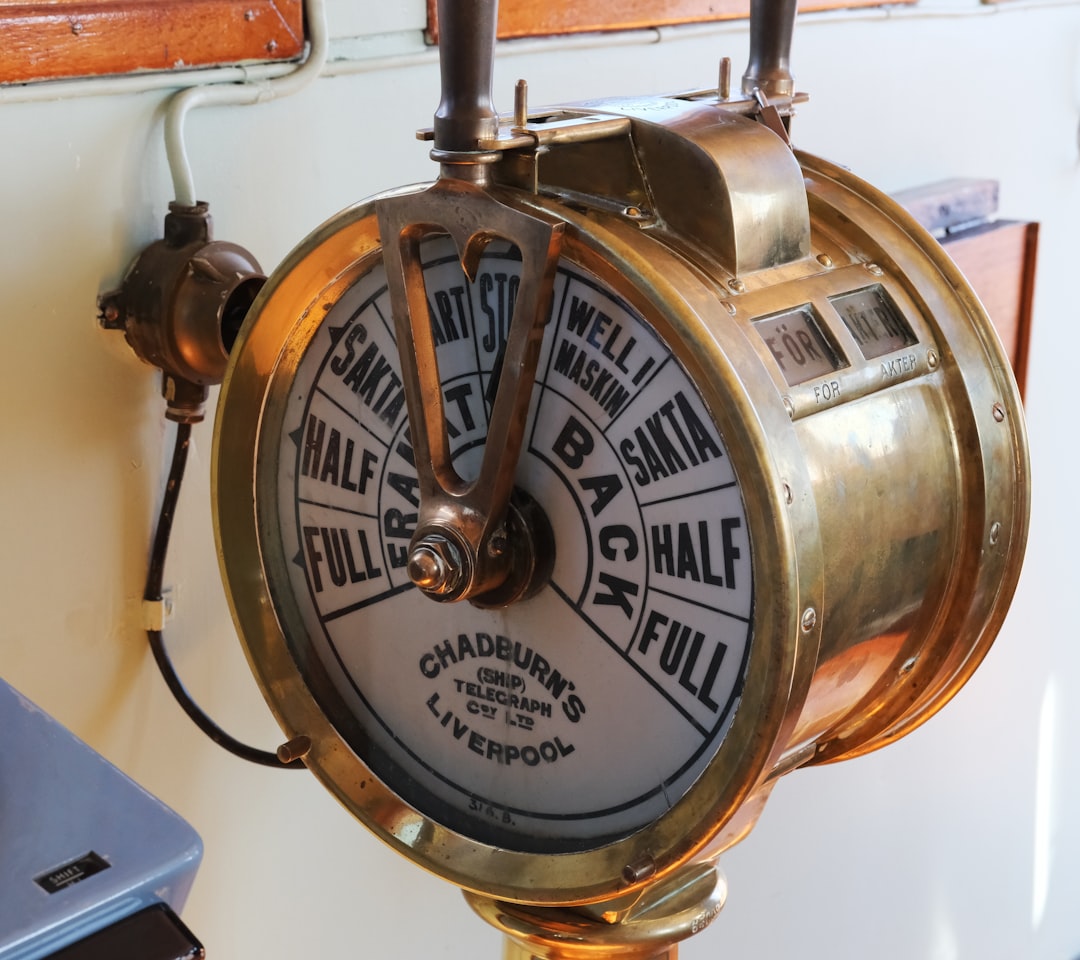
The maritime community has witnessed notable reactions from organizations and leaders advocating for enhanced safety measures. Despite the longstanding practice of condemning attacks on merchant ships, the need for tangible, enforceable protections for crews is more pressing than ever. Experts are urging shipping companies to collaborate with international bodies to establish guidelines that would provide greater security and support for seafarers in conflict zones.

Why It Matters
The operational realities of maritime shipping demand robust policies to ensure the safety of seafarers, particularly in volatile areas. As incidents like the Minoan Dignity tragedy highlight, existing measures are insufficient to protect those on the frontlines of global commerce. It is imperative for the industry to engage in proactive dialogue and swift action to enhance crew protections. Future developments will likely involve greater regulatory scrutiny and potentially new frameworks to address these risks effectively, ensuring that seafarers are no longer treated as expendable in the face of geopolitical strife.