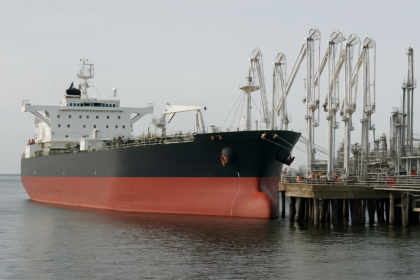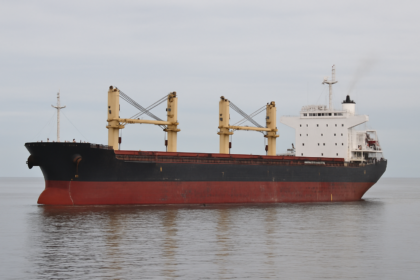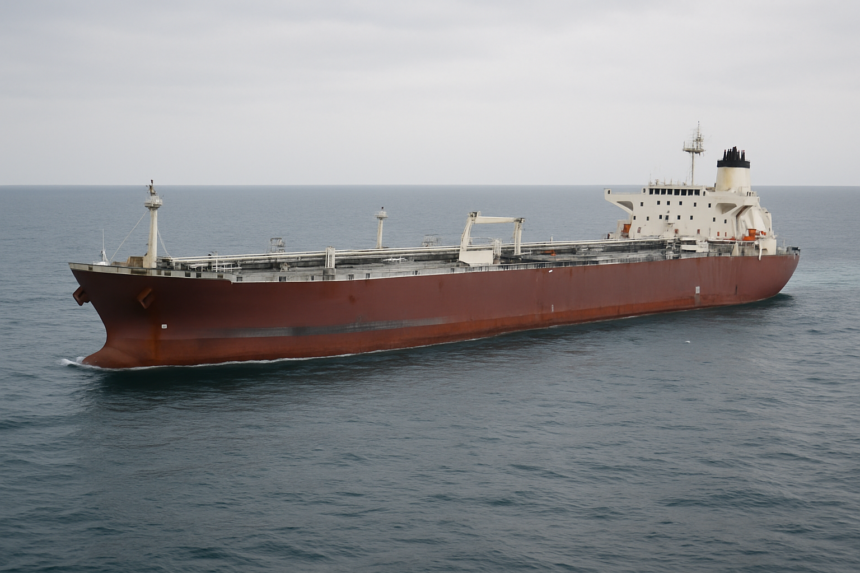
In a significant development, the United States has reimposed its blockade of Iranian ports, a move that follows the abandonment of a proposed toll of 20% on cargo value for ships transiting the strategically vital Strait of Hormuz. This decision, announced on Monday, is poised to reshape the operational landscape for maritime activities in the region.
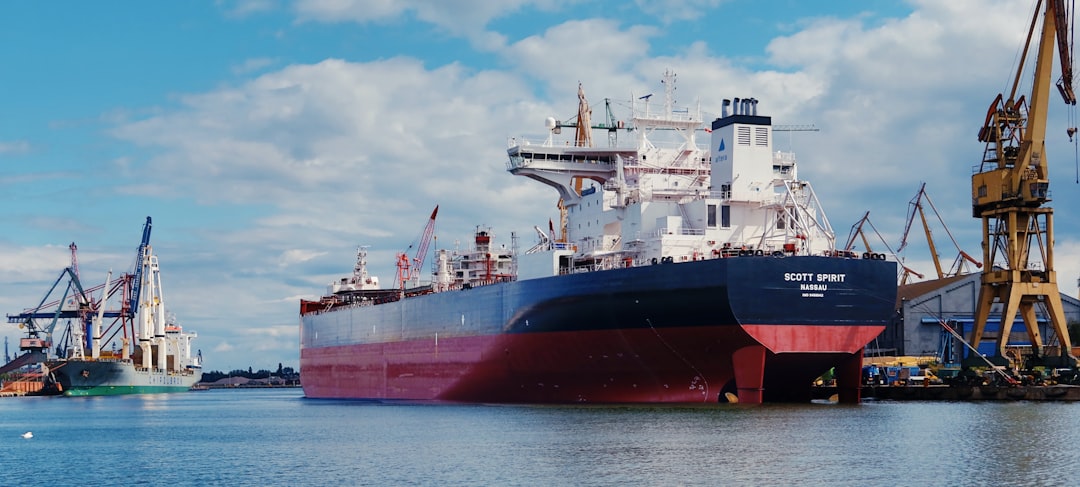
The Toll Plan Reversal
President Donald Trump’s abrupt abandonment of the toll plan, which was initially positioned as a way to generate revenue while managing maritime security in the Gulf, has left many in the shipping sector scrambling for clarity. This toll was intended to apply to all vessels transporting goods through the Strait, a critical chokepoint for global oil supplies. Industry stakeholders had expressed concerns regarding its feasibility and the potential for increased shipping costs.
Implications of the Blockade
The reinstatement of the blockade marks a return to previous tensions in the region, which had seen fluctuating levels of aggression and countermeasures involving Iranian maritime forces. The U.S. government’s intent to also promote significant economic investment in the Gulf may be viewed as an effort to bolster its own economic leverage in the region while isolating Iran further.

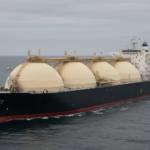
For shipping operators, the ramifications of this blockade could lead to increased scrutiny on vessel routing and heightened risk assessments. The Strait of Hormuz, which sees a substantial volume of oil traffic, may experience shifts in shipping patterns, as operators adjust to potential delays and new compliance requirements stemming from the blockade.
The Operational Read
The reactivation of the blockade underscores the complexities of maritime operations in politically fraught areas. Operators must remain vigilant regarding evolving regulations and compliance demands while assessing the risk factors of operating in or near the Iranian maritime zone. Increased naval presence is anticipated, alongside potential retaliatory actions from Iran. Maritime asset managers will need to evaluate their shipping routes, possibly considering alternate paths to mitigate disruptions. This situation will likely prompt further discussions on risk premiums and insurance considerations for vessels operating through the Strait.