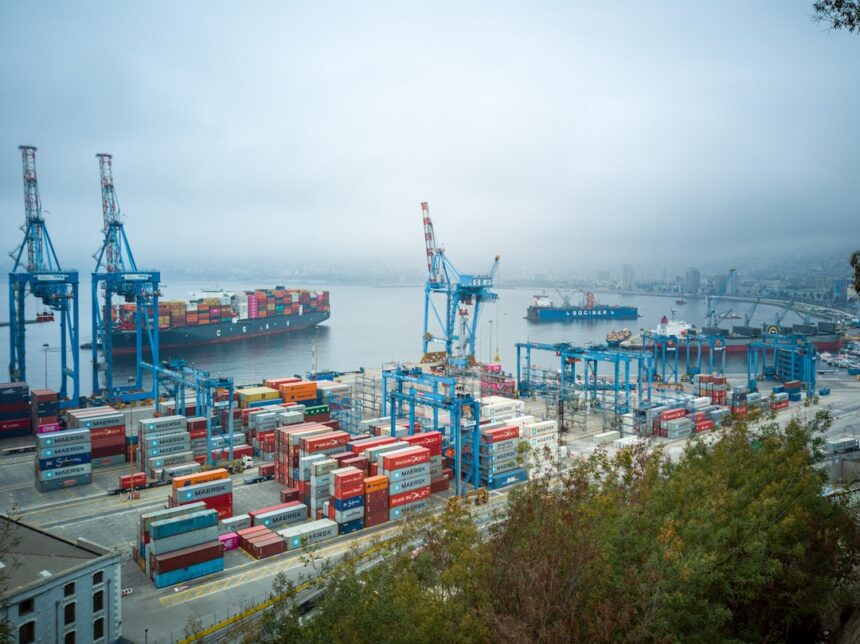
Persistent port congestion has considerably affected the global shipping industry, resulting in the effective removal of approximately 1.7 million TEU of containership capacity from operational service. This volume is nearly equivalent to the total fleet size of Evergreen Marine, highlighting the scale of the disruption.
According to the latest Global Liner Performance report from Sea-Intelligence, the performance metrics for June 2026 indicate that schedule reliability for liner services continues to falter. The consultancy points out that ships are consistently experiencing delays, thereby affecting their overall efficiency and operational planning.
Impact on Market Dynamics
The reduction of 1.7 million TEU from the market emphasizes the constraints faced by shipping operators as they navigate through ongoing terminal delays. For trading partners, this disruption translates to elongated transport times, potential delays in cargo delivery, and heightened uncertainty in supply chain forecasting.


As global trade demand remains robust, the challenge presented by port inefficiencies may further strain existing capacity, prompting shipping lines to revisit their operational strategies. The implications of such adjustments could have a cascading effect on shipping rates, freight costs, and ultimately influence market competitiveness.
Looking Ahead
Considering the current situation, shipping companies are anticipated to explore options for mitigating the impacts of congestion. This could involve reevaluating routing practices or employing alternative ports to bypass affected terminals. Additionally, operational focus on enhancing schedule reliability and service levels may become critical as operators strive to sustain customer confidence.
Behind the Headline
The persistent removal of a significant volume of containership capacity from the market underscores the operational pressures faced by the shipping industry amidst ongoing port congestion. For operators, the challenge lies in maintaining schedule integrity while navigating delays that impact both cargo flow and customer satisfaction. Future operational adjustments, including strategic routing and capacity management, will be essential as the industry adapts to prevailing conditions and seeks to enhance overall efficiency in a demanding market environment.