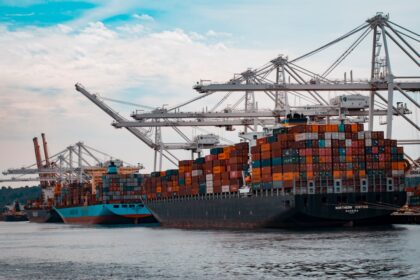


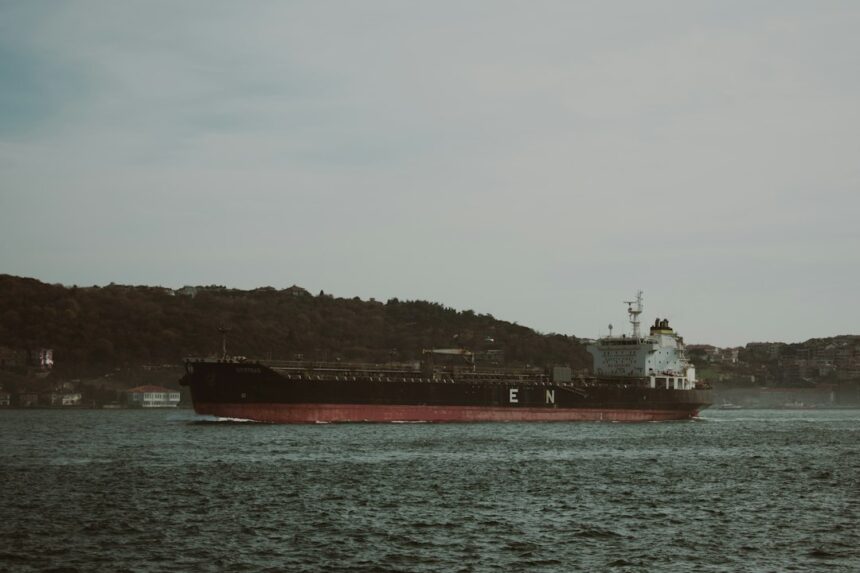
The U.S. government’s potential easing of sanctions on tankers involved in Russian oil trades may have significant ramifications for the global tanker market. Analysts suggest that this move could allow for the redirection of tanker capacity towards the Middle East, which may help address existing shortages in the Strait of Hormuz and influence freight costs.
The Context of Sanctions Relief
In recent statements, U.S. Energy Secretary Chris Wright indicated that businesses would be permitted to acquire sanctioned tankers for non-sanctioned trade, although detailed plans for this relief have not been publicly disclosed. According to data from S&P Global Energy Horizons, as of August, Western authorities had sanctioned 1,226 oil and LPG tankers, with a specific focus on Very Large Crude Carriers (VLCCs). BRS Shipbrokers noted that only 148 of these tankers, representing 2.5% of the global fleet, were sanctioned solely by the U.S. Office of Foreign Assets Control as of October 19, with evidence suggesting that the majority were still actively deployed in trade.
Market Dynamics and Potential Changes
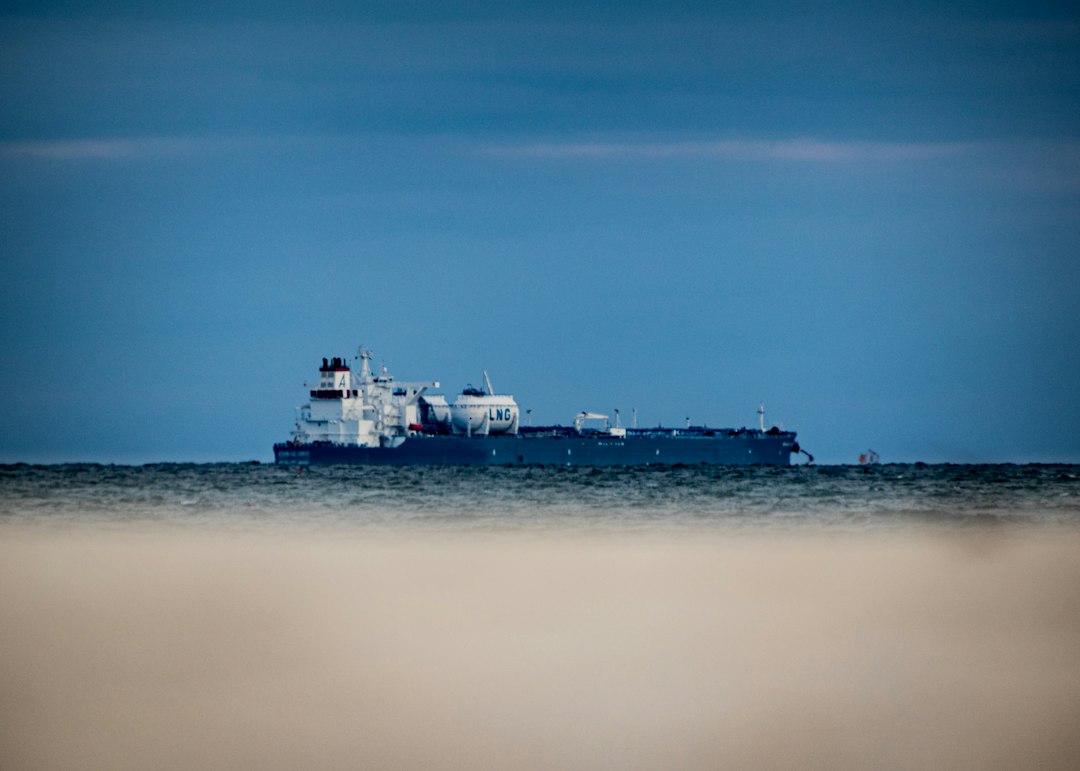
The relief from sanctions may not necessarily increase operational tanker supply but could instead redistribute existing capacity. Analysts at BRS highlighted that only a small fraction of sanctioned vessels had been idle for extended periods. Therefore, the reallocation of these assets might primarily shift tanker employment from Russian to more mainstream markets.

Recent insights from Gibson Shipbrokers reinforced this perspective, suggesting that tanker rates for Russian exports might rise if vessels serving these trades are redirected to Middle Eastern operations. The firm pointed out that 84% of possible U.S.-sanctioned tankers are currently operating in regions like the Middle East and the Indian Ocean, with limited presence in European waters.
Additionally, the VLCC rate for shipping crude from the Persian Gulf to the West Coast of India surged to $95.83 per metric ton as of October 19, compared to just $19.15 per ton prior to ongoing geopolitical conflicts. This stark increase illustrates the heightened demand and market pressures impacting tanker operations in the region.
Implications for Tanker Operators
Tanker operators are now considering the potential impacts of sanctions relief on their operations and financial planning. BRS noted that previously sanctioned ships could be utilized for shuttle services across the Strait of Hormuz, thereby alleviating some operational pressures faced by vessels currently executing these routes. Furthermore, the dynamics of the secondhand tanker market could be affected, as shadow fleet operators might seize this opportunity to divest their vessels in a currently robust market for used tankers.
Behind the Headline
The operational realities behind the U.S. sanctions relief suggest a cautious optimism among tanker operators. The potential for redirected capacity may ease some pressures in the tanker market, particularly amid ongoing disruptions due to geopolitical tensions. However, the limited availability of idle tonnage means that any shifts may not fully resolve existing shortages. Stakeholders should watch for clarifications from U.S. authorities regarding the length and parameters of any sanctions waivers, as well as the evolving dynamics in the Mediterranean and Middle Eastern markets that could dictate the effectiveness of this policy shift.