In a dramatic turn of events, the global oil tanker market is witnessing unprecedented earnings as the Iran conflict intensifies. Sinokor Group has emerged as a key player, capitalizing on soaring tanker rates amidst rising operational risks.
Record Earnings Amid Escalating Risks
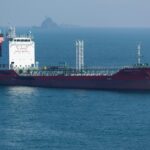
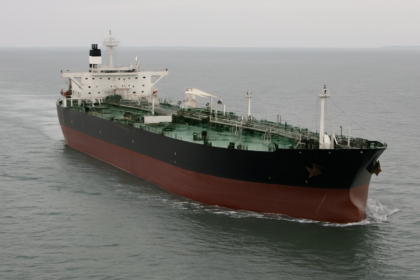
Recent data from the Baltic Exchange indicates that oil tankers ferrying cargoes from Saudi Arabia to China are earning an astonishing $656,000 per day on average as of Friday, marking a tenfold increase compared to the same period last year. This surge in rates is directly attributable to the heightened risks posed by ongoing attacks on vessels in the Strait of Hormuz, prompting many shipowners and crews to avoid the perilous waters.
Sinokor Group, noted for its extensive fleet, announced last week that it had secured elevated charter rates as demand for shipping capacity surged. Company executives, under the leadership of Ga-Hyun Chung, have strategically positioned themselves by acquiring a significant number of supertankers prior to the conflict’s escalation, allowing them to optimize earnings in a high-stakes environment.


Market Dynamics and Strategic Shifts
The Iranian conflict has led to increased tensions and complexities within the oil shipping market, resulting in a lack of transparency regarding the movement of tankers in and out of the Persian Gulf. Industry professionals note that the expectation of increased oil volumes from the Gulf is accompanied by a rising premium for those willing to take the journey.
Analysts expect further volatility in tanker earnings, noting that the current situation presents dual shipping costs for operators: a lump sum to navigate through Hormuz and an additional cost for transferring cargo to other tankers positioned outside the chokepoint. Currently, chartering a vessel to transport oil from Oman to China commands a rate of approximately $220,000 daily, up significantly from $131,000 just a month ago.
Supply Chain Disruptions
Beyond tanker earnings, the conflict has implications for the overall supply chain. Attacks on Saudi tankers by Yemen’s Houthi forces have compelled the kingdom to reroute oil exports through longer passages, often requiring ships to travel thousands of miles around Africa and extending journey times significantly.
TotalEnergies SE’s CEO has highlighted the rising costs involved in transporting barrels through Hormuz, which have reportedly escalated to around $20 million. These dynamics complicate pricing structures and may skew traditional oil benchmarks, emphasizing the need for operators to adapt swiftly to shifting market conditions.
Behind the Headline
The current scenario illustrates a fundamental shift in global shipping operations driven by geopolitical tensions. Operators find themselves balancing the need to maintain operational readiness with the increasing costs of risk management. For charterers and shipping companies, the prime concern will be how to effectively navigate these waters, both literally and figuratively, amid the changing landscape of oil transportation. Market participants should remain vigilant as the potential for further disruptions continues to loom, impacting freight rates and shipping strategies ahead.