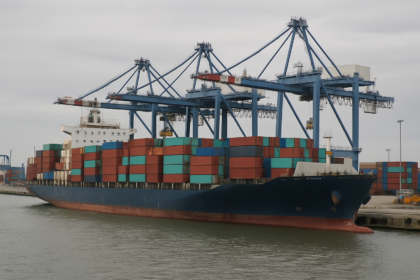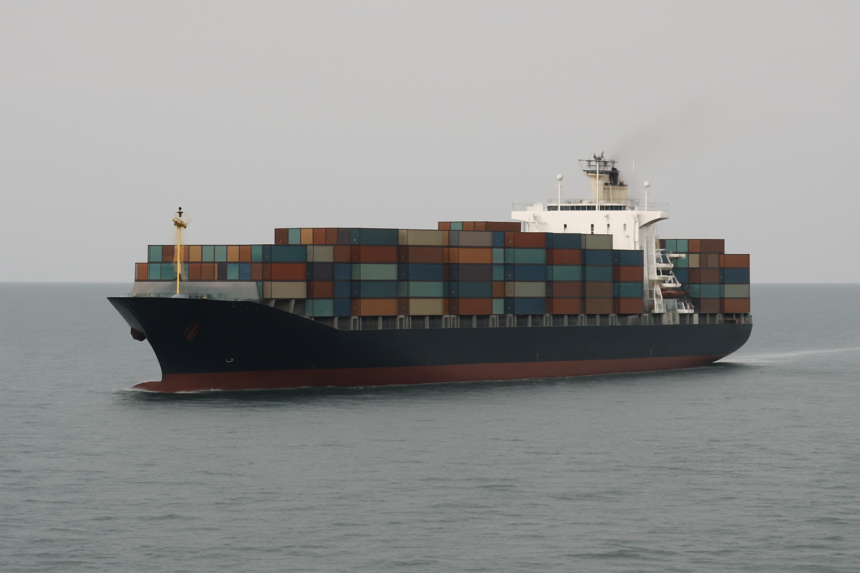
Dutch shipping companies Vertom and Universal Africa Lines (UAL) have announced plans to merge operations, aiming to fortify their business presence in the breakbulk, project cargo, and container shipping markets. This strategic combination is positioned to utilize Vertom’s established shortsea shipping network, which boasts a versatile fleet of over 80 vessels.
Details of the Merger
The proposed merger will merge Vertom’s and UAL’s capabilities, creating a more robust platform for diverse logistical solutions. Vertom, known for its shortsea shipping operations, operates numerous routes across European waters, while UAL has crafted a niche in serving African markets.
Market Implications
This strategic move comes at a time when the maritime industry witnesses ongoing consolidation and realignment, driven by market pressures for enhanced operational efficiency and comprehensive service offerings. Merging resources could allow both companies to leverage economies of scale, streamline operations, and respond more adeptly to fluctuating demand across their key service areas.


Future Outlook
The merger between Vertom and UAL is expected to enhance their competitive stance and flexibility, especially in the breakbulk and project cargo segments, where demand continues to grow. The operational integration could open new avenues for flexibility, service enhancement, and increased responsiveness to market shifts.
Behind the Headline
This merger illustrates the operational realities of the maritime sector, where consolidation can lead to enhanced efficiency and a broader service portfolio. For operators, this means a potential reduction in peer competition, allowing for improved pricing strategies and service offerings. It also raises the question of how they will streamline operations while maintaining high service standards. Market participants should observe how the integration affects regional shipping routes and service frequency, particularly between Europe and Africa, which are crucial for trade dynamics.