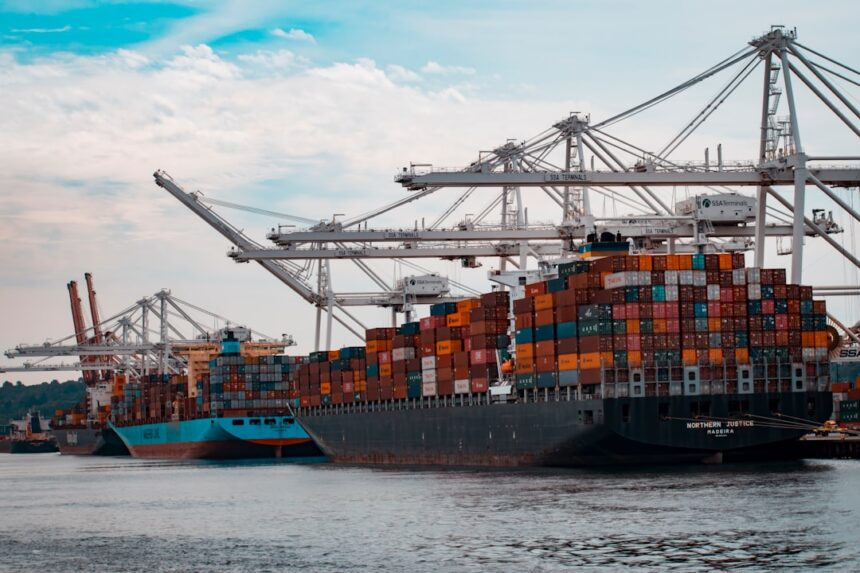
Xiamen Xinliansheng Shipping has officially entered the shipowning segment by commissioning a newbuild container ship valued at RMB158 million ($24 million). This notable contract, awarded to Zhejiang Shenzhou Sunshine Heavy Industry, calls for the construction of a vessel capable of carrying 2,000 TEU, with an anticipated delivery in July 2027.
Company Overview
Founded only a few months prior, Xiamen Xinliansheng Shipping represents a fresh addition to China’s dynamic maritime sector. The company’s swift move into shipowning reflects a strategic approach to capitalize on the resurgence in global shipping demand, particularly in containerized trade. As competition intensifies among shipping lines, new entrants like Xinliansheng may reshape the landscape.
Construction Details
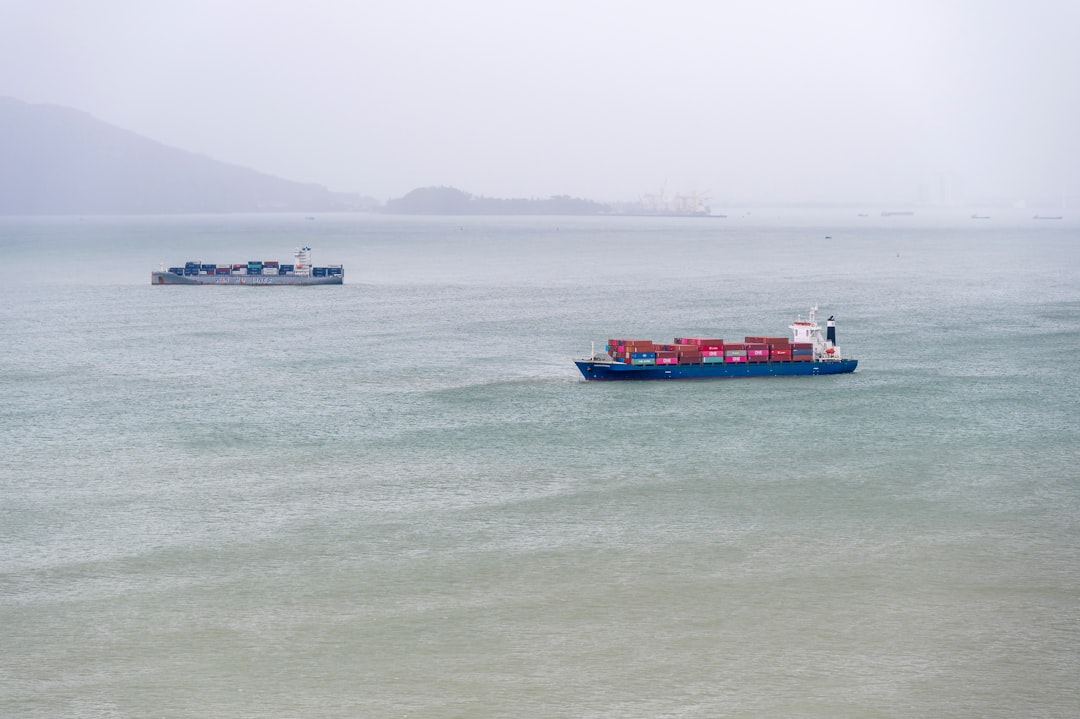
The 2,000 TEU container ship will be constructed by Zhejiang Shenzhou Sunshine Heavy Industry, a recognized player in the shipbuilding domain. This investment in new tonnage underscores a commitment to modernizing fleets and responding to the evolving needs of global shipping operators. The choice of a dual-fuel design may also be under consideration as regulatory pressures increase for emissions reduction.


Market Implications
The emergence of new players such as Xiamen Xinliansheng Shipping is indicative of broader trends within the maritime industry. As established operators face challenges from fluctuating market conditions and supply chain disruptions, the influx of new capacity could lead to increased competition and potentially lower freight rates. Operators will need to monitor how these developments impact existing market dynamics, especially in the container shipping sector.
Behind the Headline
The establishment of Xiamen Xinliansheng Shipping underscores the ongoing evolution in container shipping, where new entrants are increasingly vying for market share. An order for a 2,000 TEU vessel not only signifies investment in capable infrastructure but also reflects confidence in long-term trade growth. Operators must consider the implications of this new capacity and adapt to a more crowded market landscape. In the near term, attention will be on global demand trends and the competitive responses from both new and established shipping lines.