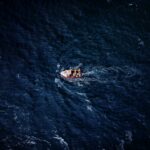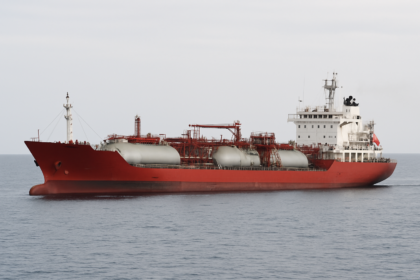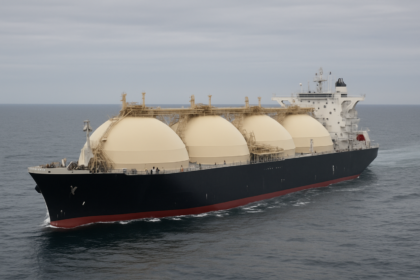



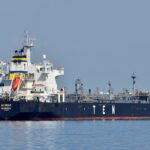
On Wednesday, a tanker was reportedly struck by an unknown projectile while anchored 11 nautical miles off the coast of Bukha, Oman, leading to a fire on board. According to the UK Maritime Trade Operations (UKMTO), all crew members are safe and there is currently no reported environmental impact resulting from the incident.
The Incident
This attack is part of a broader trend of escalating maritime security threats in the Strait of Hormuz, a vital maritime passage that previously facilitated approximately 20 percent of the world’s oil supply. Since the outbreak of conflict in late February due to U.S.-Israeli military actions targeting Iran, the region has seen an increase in aggression from Tehran, which has been actively targeting vessels operating without its authorization.
Regional Tensions Rising
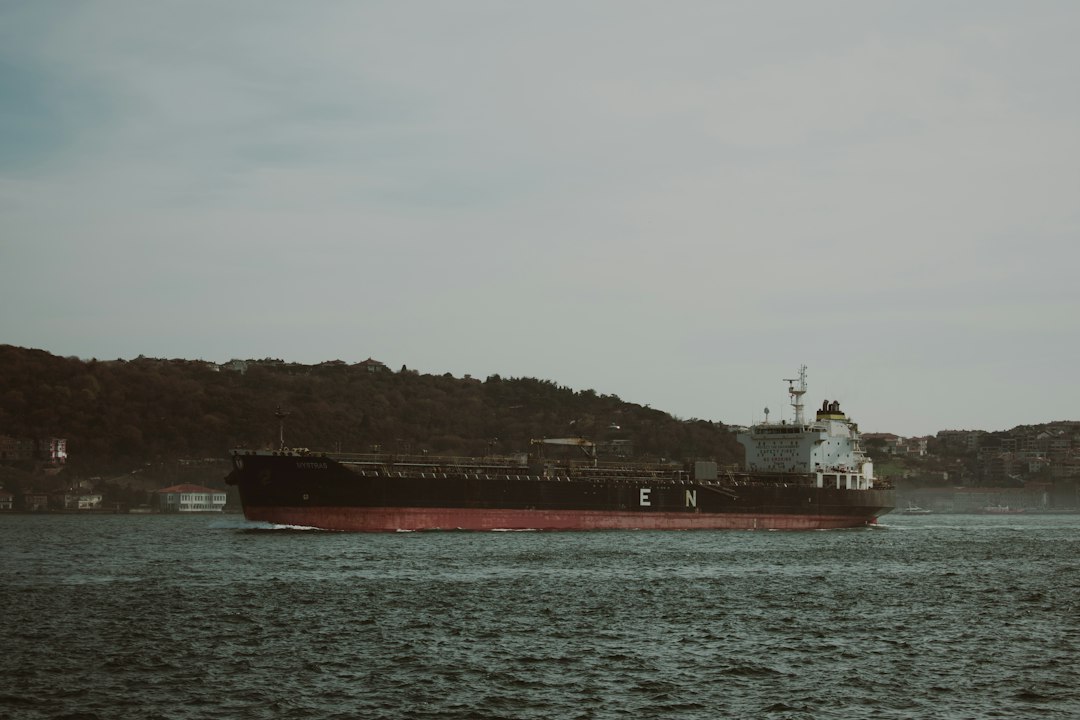
The ongoing conflict has prompted the United States to bolster its naval presence in the area, providing escorts for commercial vessels to mitigate risks associated with potential attacks. With Tehran asserting control over passage through the Strait and intensifying its attacks on shipping, operators navigating this crucial route are facing unprecedented challenges. The frequency of such incidents has raised alarms about the safety of maritime operations in one of the world’s busiest maritime corridors.

Market Impact
As the situation evolves, shipping operators may be compelled to implement additional security measures to protect their vessels. The heightened risk environment could lead to increased war-risk premiums and a potential shift in shipping patterns, as companies reassess their routes and the viability of transiting through the Strait of Hormuz. Exporters may face delays in shipping schedules, impacting the global supply chain, particularly in oil and gas markets.
The Operational Read
The attack on the tanker near Oman exemplifies the increasingly volatile nature of maritime operations in the Strait of Hormuz. For operators, understanding the dynamics between U.S. naval escorts and Iranian territorial claims is crucial for navigating this region safely. The uptick in attacks necessitates ongoing assessment of risk profiles, potentially leading to operational adjustments such as rerouting or changing cargo delivery methods. Stakeholders should watch for potential further military escalations and prepare for shifts in maritime insurance rates and cargo logistics as regional events continue to unfold.