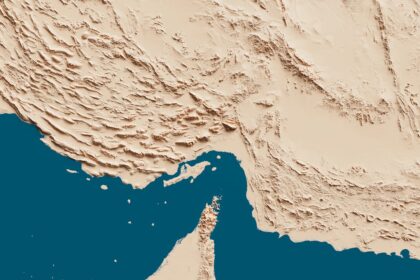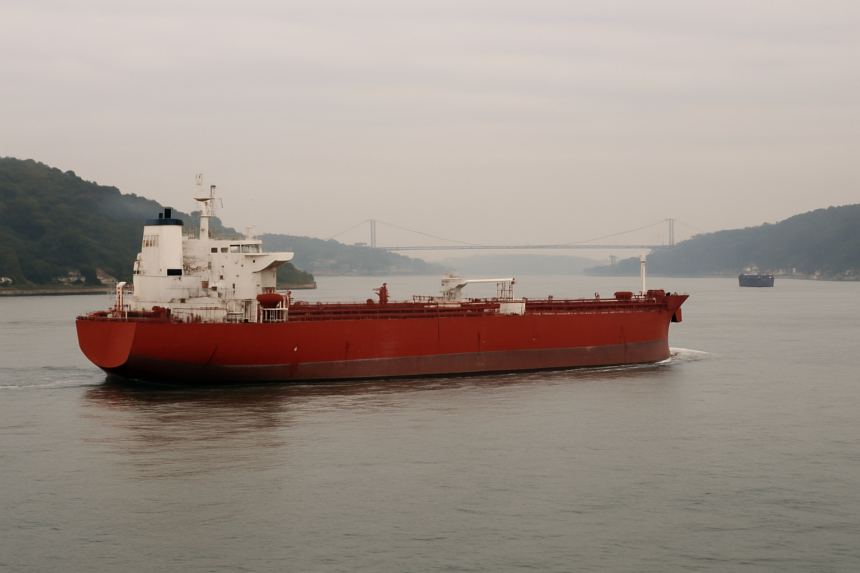
President Donald Trump announced a proposed framework on Friday aimed at reopening the Strait of Hormuz to unrestricted commercial shipping, following a significant maritime crisis that has persisted for three months. The agreement, contingent upon Iran’s compliance with several conditions, may provide a pathway to alleviate disruptions affecting one of the world’s most critical maritime routes.
The Proposed Framework
In a statement released on Truth Social, Trump emphasized the necessity for Iran to agree not to pursue nuclear weapons and to reopen the Strait of Hormuz without collecting transit fees. The proposal stipulates the removal of any remaining naval mines and demands cooperation with the United States and the International Atomic Energy Agency regarding the destruction of enriched nuclear materials. Key aspects of the accord would permit vessels previously stranded in the region to resume their voyages.
This announcement coincides with reports of a preliminary framework achieved through ongoing negotiations between U.S. and Iranian representatives, which may extend a 60-day ceasefire while discussions about Iran’s nuclear program and regional security issues continue. However, the agreement awaits final approval from President Trump, with Vice President JD Vance acknowledging that critical terms regarding Iran’s nuclear activities remain under discussion.


Impact on Global Shipping
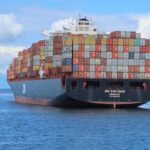
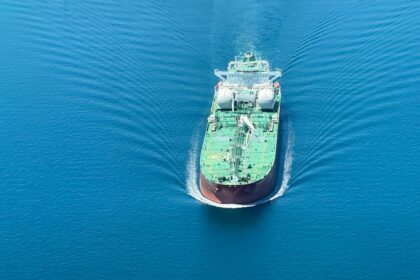
The ongoing crisis in the Strait of Hormuz has severely hindered commercial shipping traffic, with owners, insurers, and charterers facing heightened risks due to reports of mine threats and vessel attacks. Previous estimates indicate that the disturbances have influenced approximately one-fifth of the global oil and liquefied natural gas supplies, resulting in a significant spike in energy prices and prompting major shipping companies to reassess operational strategies in the region.
Trump’s recent pronouncement addresses key maritime industry concerns, including the imperative elimination of naval mines and the controversial tolling system implemented by Iran. Earlier this week, U.S. Treasury officials imposed sanctions on Iran’s Persian Gulf Strait Authority, accusing this body of attempting to financially exploit vessels seeking safe passage.
Despite the positive developments implied by the proposed agreement, significant obstacles remain. While diplomatic efforts are progressing, analysts and industry groups have cautioned that shipowners are unlikely to resume normal operations without independent verification of safety measures, assurances that maritime attacks are halted, and clarity regarding enforcement of new transit arrangements.
The Operational Read
The intricacies of the proposed framework highlight the operational challenges facing the maritime industry in the Strait of Hormuz. For operators, the critical factor will be derived from the ability to establish confident navigation through the strait amid security concerns. While the proposal aims to eliminate mines and military threats, the reality of ensuring safety and protection of commercial vessels is paramount. Operators are advised to monitor developments closely, as resuming normal traffic will hinge on tangible assurances from geopolitical negotiations and verifiable reforms on the ground. Attention should also focus on how any new arrangements will be enforced, as clarity on these points will dictate the pace at which maritime operations can stabilize in this vital region.