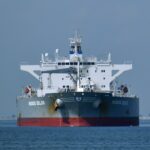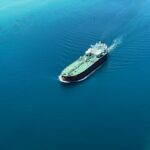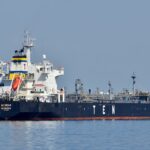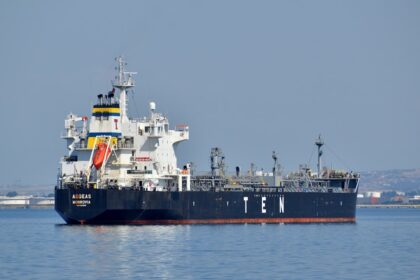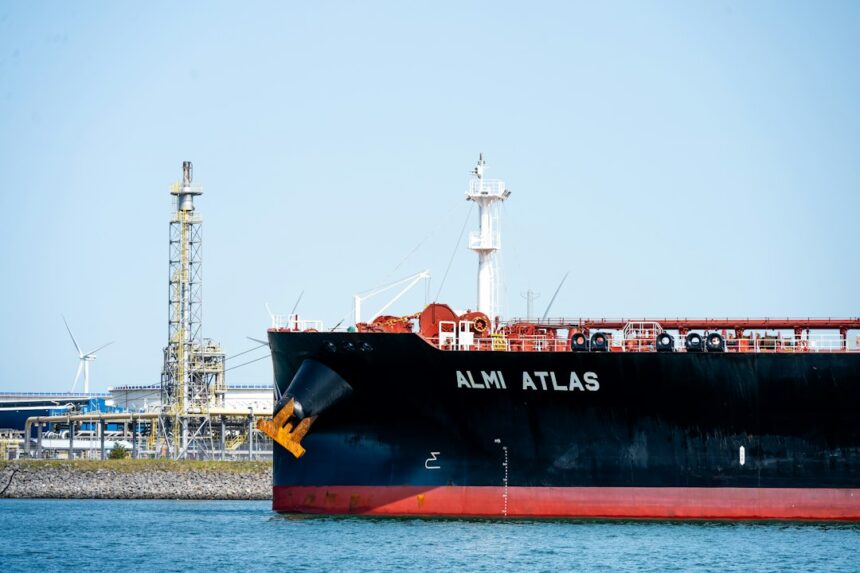
Qatar has markedly increased its liquefied natural gas (LNG) tanker traffic through the Strait of Hormuz, reaching levels not seen in over two months. This uptick comes as at least four laden carriers have set out from the Qatari coast in the last week, with two vessels entering the Persian Gulf, according to ship-tracking data.
One notable shipment successfully reached India’s west coast on Thursday. Despite noted communications challenges due to electronic jamming in the region, the increase in traffic symbolizes a significant shift in Qatar’s operational readiness following prior security incidents.
Geopolitical Context
Previously, Qatari LNG exports faced drastic reductions when the country halted shipping through Hormuz after its vessel was attacked in early July. At that time, the strait, which is critical for global energy supply, had facilitated about 20% of the world’s LNG flow but became a risky corridor due to heightened aggression against shipping.

Though shipments currently fall short of the pre-war averages of approximately three LNG deliveries daily, the recent uptick could play a pivotal role in alleviating a burgeoning global gas supply crisis exacerbated by high demand ahead of winter. European and Asian gas prices have surged to levels not seen since 2022, creating pressure on producers to optimize their shipping routes through channels like Hormuz.
Operational Adaptations
In a parallel to strategies employed by Persian Gulf oil producers, Qatar appears to be engaging in a form of ‘shuttling’ where initial cargoes are transported through the strait on its vessels before being reallocated to different ships within the Gulf of Oman. This transfer method typically includes operating available empty tankers. However, technical complexities associated with handling super-chilled LNG pose challenges in executing this strategy.
Additonally, Qatar has been exporting fuel to Kuwait and loading LNG onto available empty tankers to manage its operational capabilities, ensuring that its vast infrastructure remains efficient and capable of scaling production quickly if demands increase.
Energy Minister Saad Sherida Al-Kaabi has indicated that Qatar’s Ras Laffan plant — recognized as the world’s largest LNG export facility — could resume full production quickly following the reopening of the Strait of Hormuz, emphasizing the reliability of Qatar’s output levels.
The Operational Read
The resurgence in Qatari LNG transits through the Strait of Hormuz highlights a significant shift towards normalization in maritime logistics for LNG. Operators are likely consolidating shipping strategies to address both geopolitical risks and market demands as global energy dynamics evolve. Maintaining operational capacity while seizing market opportunities will be crucial for Qatari stakeholders. Close monitoring of shipping frequencies and the geopolitical environment surrounding the strait will be essential for operators and traders invested in LNG markets as winter approaches and demand for energy resources escalates.