Update 05 Nov 2026, 14:32 UTC:
A French maritime patrol aircraft, the Atlantique 2, will prolong its deployment at the Mihail Kogalniceanu air base in Romania following a series of strikes on merchant vessels in the Black Sea. This decision, confirmed by the aircraft’s commander on November 5, is indicative of NATO’s increasing concern over maritime security amid escalating tensions between Russia and Ukraine.
The Context of Maritime Tensions
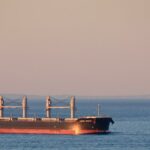
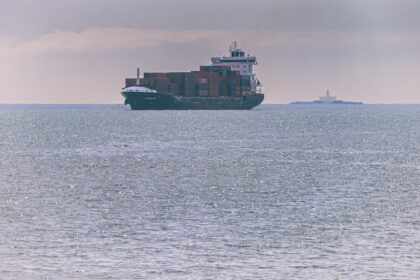
The Black Sea, which is strategically important for the transport of grain and oil products, has seen a marked rise in naval confrontations. At least nine cargo ships have been targeted in attacks near the coasts of Romania and Bulgaria during October, leading to 34 reported casualties among sailors. France’s Atlantique 2, equipped to monitor both surface and underwater threats, was initially deployed on October 18 after Romania and Bulgaria solicited additional NATO support.

According to the aircraft’s commander, the extension will enhance safety for commercial maritime traffic in the region. Prior incidents include the detection of sea drones that resulted in the sinking of the Greek-owned vessel, Contship Jet, on October 28. Thanks to timely alerts from the Atlantique 2, crew members were evacuated prior to the attack. The presence of the aircraft emphasizes NATO’s commitment to securing member states adjacent to the Black Sea, which include Romania, Bulgaria, and the countries that share its waters, such as Ukraine and Turkey.
NATO’s Strategic Response
This week, NATO reaffirmed its dedication to bolstering defenses in the Black Sea, particularly in counter-drone technology, with plans to invest over $40 billion in the next five years. Such initiatives are crucial as naval encounters intensify, raising operational risks for commercial shipping. The alliance’s promise to support all member nations, especially those vulnerable to maritime threats, is established as “ironclad.”
The surveillance capabilities of the Atlantique 2 illustrate an evolving operational landscape that maritime stakeholders must navigate. The aircraft’s role is to identify potential threats without engaging directly, which highlights a gap in defensive measures against unmanned aerial and underwater vehicles that continue to pose significant risks to shipping activities in the area.
The Operational Read
The ongoing deployment of the Atlantique 2 signifies heightened awareness among maritime operators regarding safety in the Black Sea amidst rising threats to commercial vessels. Operators must closely monitor advisory reports and adjust route planning as necessary, factoring in potential delays or risks posed by hostile actions. Given NATO’s significant investment in counter-drone capabilities, contractors and shipping companies may also seek to enhance their own defensive measures, ensuring that their crews and cargo remain safe within these strategic waters. The situation warrants vigilant observation as geopolitical tensions or further maritime aggressions could alter operational realities for commercial navigation.