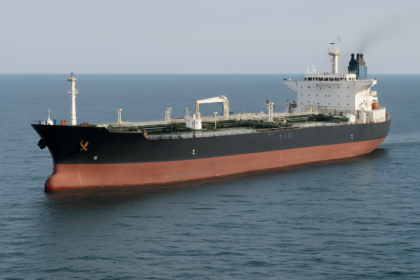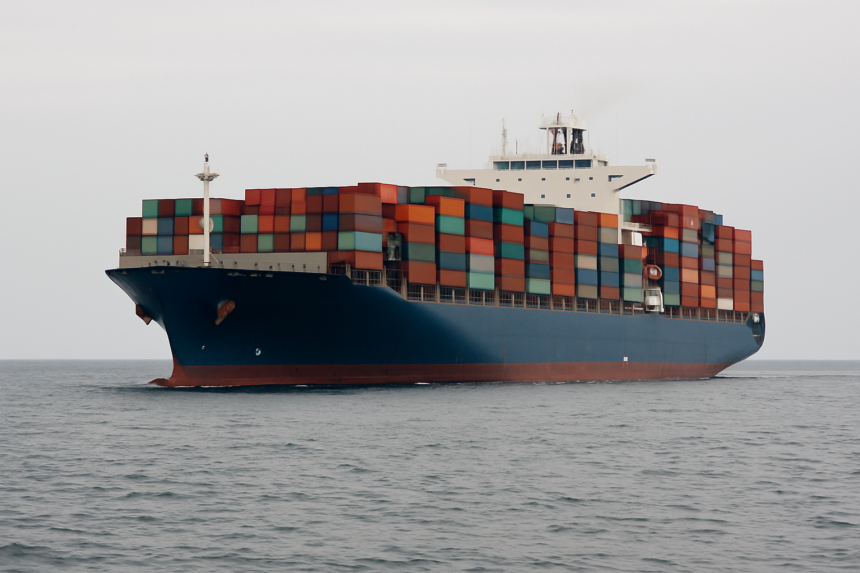
In a notable escalation of military presence at sea, a Russian liquefied natural gas (LNG) carrier has been observed equipped with heavy machine guns while operating in the Baltic Sea. Reports from the Organized Crime and Corruption Reporting Project (OCCRP) and various European media outlets indicate that this represents a significant shift in the operational norms of civilian vessels.
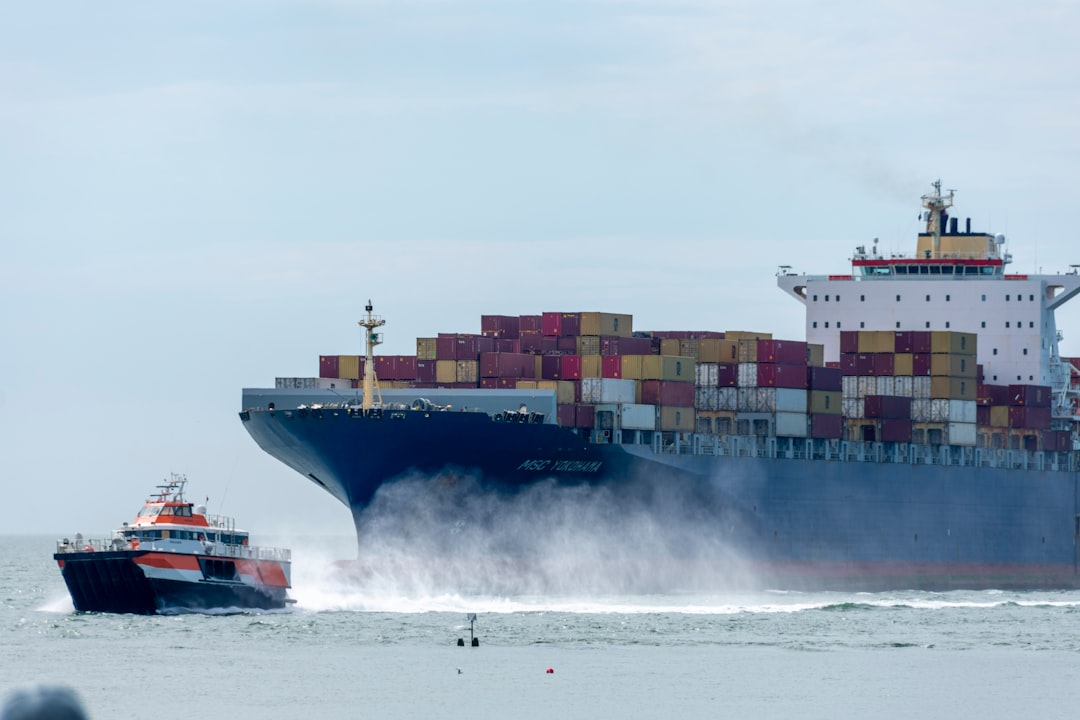
The Incident
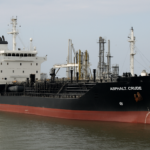
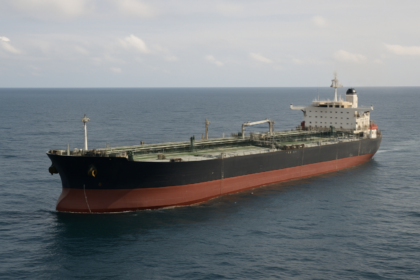
Photographic evidence has emerged showing heavy machine guns mounted on this civilian gas carrier, which is engaged in supplying LNG along established commercial routes. The implications of this militarization could open the door to new maritime threats and alter existing security protocols in the region.
Regional Security Implications
The presence of armed civilian vessels in the Baltic Sea raises alarms among neighboring countries. The region has been characterized by growing military confrontations, with concerns that such actions could provoke an arms race among maritime operators. Analysts suggest that this event could compel other nations to reevaluate their maritime security strategies and deployment of naval assets to protect commercial interests.


The Operational Read
This development underscores a troubling trend where commercial operations intertwine with military posturing, particularly in highly strategic waterways like the Baltic Sea. Shipping operators now face increased risks as a result of this militarization, potentially leading to escalated insurance premiums and heightened security measures. The incorporation of military hardware on a commercial LNG carrier not only alters the threat landscape but also shifts operational focus towards risk mitigation. What remains to be seen is how this may influence end-user costs and shift trade patterns in response to heightened security concerns in the Baltic region.