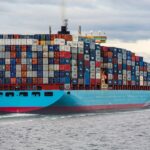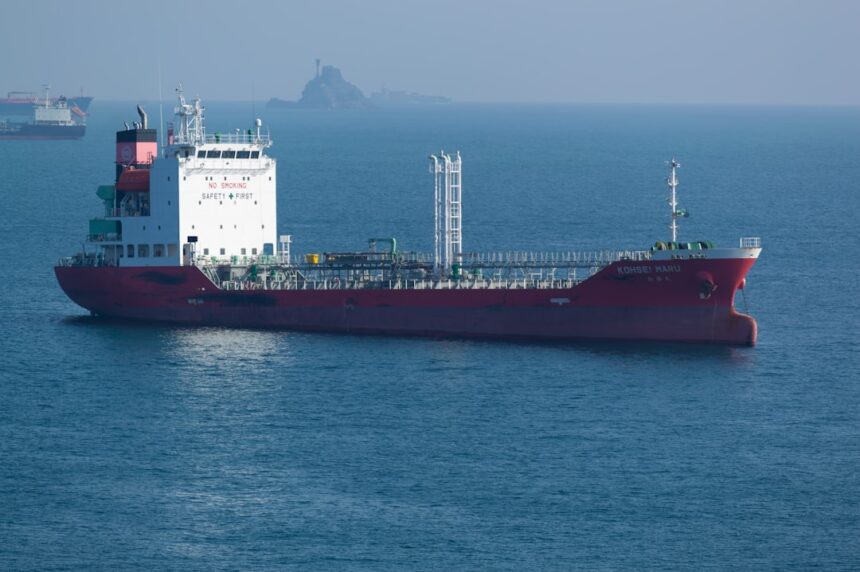
At least two liquefied natural gas (LNG) shipments have navigated the Strait of Hormuz this week, marking a significant development in efforts to alleviate supply constraints affecting Asian and European markets. Ship-tracking data indicates that a tanker, which loaded at Qatar’s Ras Laffan export facility in late August, was observed in the Gulf of Oman, suggesting it successfully traversed the strategically important but contentious waterway.
While the vessel did not emit a signal during its transit through Hormuz, reports of jamming and interference in the area are prevalent, complicating tracking efforts. In addition, two LNG carriers were detected performing ship-to-ship transfers off the coast of Oman, as confirmed by satellite images from Copernicus Sentinel-2. These maneuvers are particularly noteworthy, as ship-to-ship transfers for LNG are less common due to the challenges of maintaining the super-chilled state of the fuel.
Market Context
The resurgence of LNG shipments through Hormuz comes amidst rising spot prices, which have reached their highest level in over three years. This price surge is a direct result of the ongoing supply crisis exacerbated by geopolitical tensions, particularly following the July attack on a Qatari tanker by Iranian forces. Export activities from the Persian Gulf have been severely hampered, with the volume of LNG passing through the strait dropping dramatically. Previously, around three cargoes of LNG were transiting Hormuz daily, with Qatari exports contributing to a substantial share of global supply.

The recent escalation in hostilities has prompted LNG producers to explore alternative routes to maximize distribution, especially as winter approaches. This situation is particularly critical for buyers in countries like Pakistan and Bangladesh, which rely heavily on gas supplies via Hormuz. Each successful shipment reduces their need to purchase replacement gas from the increasingly pricey spot market.
Future Implications
The ability of producers to maintain or increase LNG flows through the Strait of Hormuz will be key for meeting the urgent demand in Asia and Europe. As exports have remained nearly stagnant in recent months, sustained transit activity is essential for stabilizing prices and ensuring supply continuity. Observers will closely monitor developments, especially any potential threats to the operational security of these shipments in an unstable geopolitical climate.
The Operational Read
Operators are navigating a complex landscape characterized by heightened risks and fluctuating supply dynamics. The strategic importance of the Strait of Hormuz cannot be overstated, as it remains a pivotal channel for global LNG flows. The recent ship-to-ship transfers highlight innovative logistical responses to the prevailing threats, yet the technical challenges of LNG handling complicate these operations. For charterers and shipping companies, maintaining safety and operational efficiency will be paramount, especially as demand intensifies with the changing seasons. Monitoring transits closely will provide insights into the balance of market supply, price stability, and the broader geopolitical ramifications influencing shipping routes.