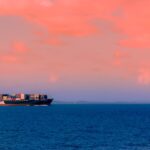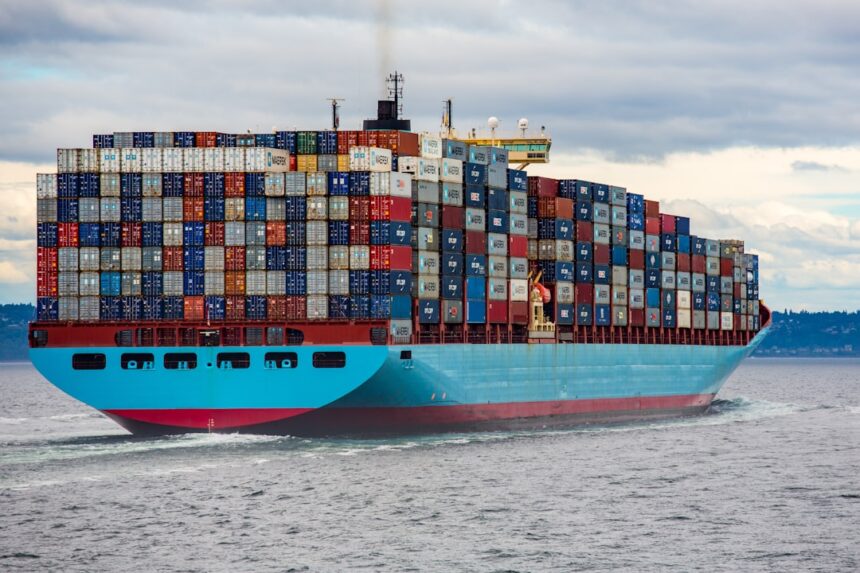
Maersk, a leading player in the global shipping industry, has officially announced the order of 26 large containerships, confirming a major fleet expansion initiative. Each vessel will boast a capacity of 18,600 TEU and feature advanced dual-fuel engines that enable operation on liquefied natural gas (LNG). Deliveries for these vessels are anticipated to take place between 2029 and 2030, further strengthening Maersk’s position in the market.
Fleet Expansion Strategy
This new order underscores Maersk’s proactive approach to fleet modernization, enhancing its competitiveness amid evolving environmental regulations. With a growing emphasis on sustainability, the incorporation of dual-fuel technology aligns with the IMO’s greenhouse gas emissions strategy, which aims to reduce total annual greenhouse gas emissions from shipping by at least 50% by 2050.
Market Implications
The decision to invest in a new generation of containment vessels indicates that Maersk is positioning itself to capitalize on future market demand while adhering to stricter environmental standards. The 18,600 TEU capacity of each ship allows for significant economies of scale, which is essential in an industry where operational efficiency is paramount. Industry analysts will be closely monitoring how this move impacts Maersk’s competitors and the broader market landscape.

Operator Response
Although Maersk has not disclosed the financial specifics of this order, the implications for operators and international shipping are extensive. The introduction of these vessels is expected to facilitate a more efficient shipping service, particularly on major trade routes. Operators may need to adapt their strategies in response to the enhanced capacity and sustainability standards represented by Maersk’s investment.
Behind the Headline
The order for 26 dual-fuel containerships marks a significant investment in the future of maritime logistics, reflecting an industry pivot towards sustainable practices. As operators integrate environmentally friendly technologies, there will be increased pressure across the sector to improve fleet efficiency and reduce emissions. Shipping companies must remain responsive to these changes, balancing operational costs with the imperative to comply with environmental standards. The upcoming deliveries will not only augment Maersk’s fleet but may also set new benchmarks for competitors in dual-fuel technologies, shaping the future of the container shipping market.