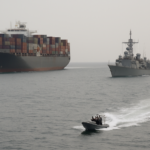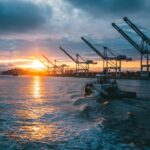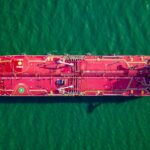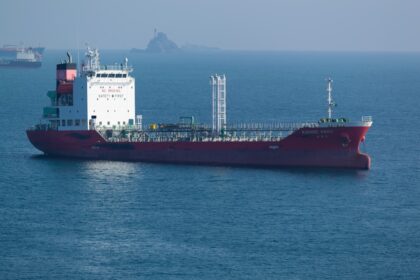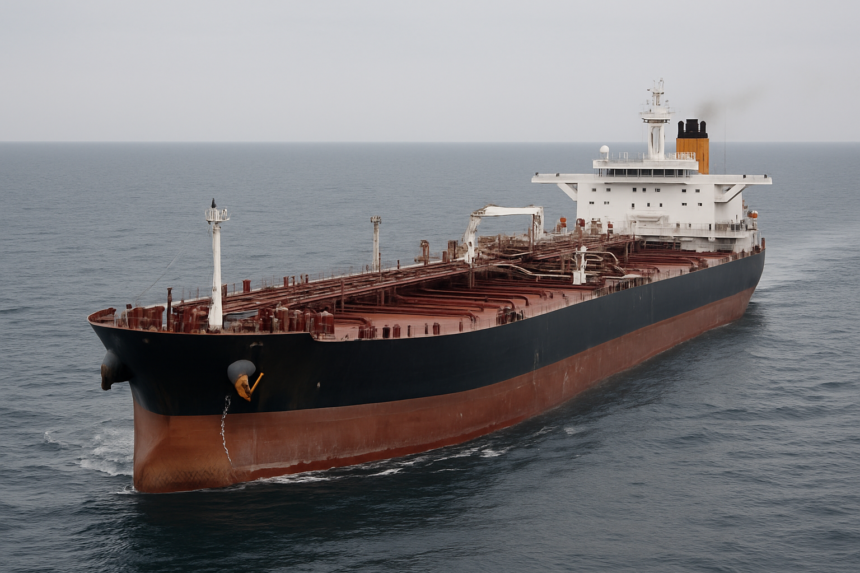
Recent reports indicate a concerning uptick in attacks on merchant vessels navigating the Strait of Hormuz, as the region experiences heightened geopolitical tensions. The United Kingdom Maritime Trade Operations (UKMTO) confirmed an attack on a commercial tanker approximately 8 nautical miles northeast of Limah, Oman, resulting in the crew evacuating to a lifeboat. Simultaneously, another vessel was struck 17 nautical miles east of Dibba, UAE, causing damage to its steering gear.
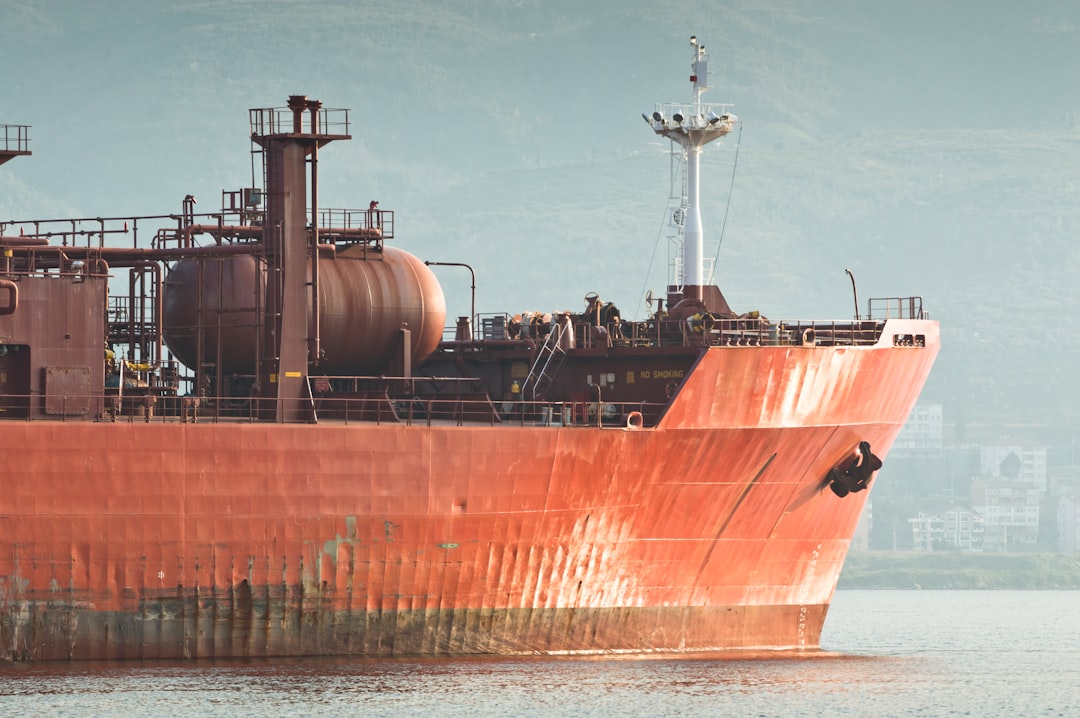
Risks for Maritime Operators
In the wake of these aggressive incidents, shipowners and operators are increasingly hesitant to proceed through the Strait of Hormuz, a critical maritime chokepoint for oil trade. Nearly all vessels transiting the area have opted to operate in stealth mode, disabling transponders to evade detection. This operational shift highlights the growing unease among shipping companies regarding safety and security in this vital corridor.
Market Reactions
The ongoing conflicts and resultant maritime threats have significant implications for global oil prices. Analysts at ING Bank note that as tensions rise, particularly with military actions involving the U.S. Central Command (CENTCOM) against Iranian assets, oil prices remain near the $90 per barrel mark. This pricing pressure is largely attributed to concerns regarding the security of oil flows through the Strait, which is pivotal for energy supplies worldwide.

Geopolitical Context
The escalation of attacks comes amid a broader conflict between the U.S. and Iran, with CENTCOM recently carrying out strikes targeting Iran’s maritime capabilities, missile sites, and air defense systems. These actions follow recent provocations including the fatalities of American service members in Jordan and Iraq, leading to heightened military responses. U.S. President Donald Trump stated on social media that there will be severe consequences for Iran’s actions, emphasizing the ongoing cycle of retaliation.
The Operational Read
The ongoing crisis in the Strait of Hormuz underscores a precarious situation for maritime operations in one of the world’s most vital shipping lanes. With the increasing likelihood of direct confrontations, operators face critical decisions regarding route safety and crew wellbeing. The disabling of transponders indicates a shift to more clandestine operations, raising the risk of collision or misidentification. Companies must evaluate their risk management strategies and consider potential rerouting as geopolitical tensions evolve. Analysts suggest that ongoing hostilities could further impact market dynamics, leading to demand for war-risk insurance and heightened operational costs.