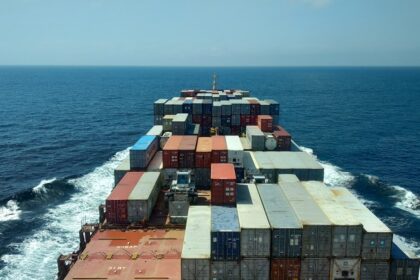
In a concerning revelation, the World Shipping Council (WSC) has reported that more than 10% of cargo transport units inspected in 2025 exhibited safety deficiencies. This statistic emerges from a comprehensive analysis of 93,079 unit inspections conducted by government authorities across seven countries, where 9,645 deficiencies were identified, amounting to a deficiency rate of 10.36%.
The Inspection Findings
Among the identified issues were incorrect documentation, improper packing, inadequate cargo securing, and faulty marking and labeling. Such deficiencies not only jeopardize cargo integrity but also significantly escalate the risk of damage, container losses, and potential fires onboard vessels. Joe Kramek, President and CEO of the WSC, emphasized the gravity of the situation, stating, “Finding deficiencies in more than one in ten inspected units is far too high.” He described the fundamental importance of correct declaration, packing, securing, and marking as essential safety obligations that, if unmet, endanger lives.
Reporting Gaps and Implications
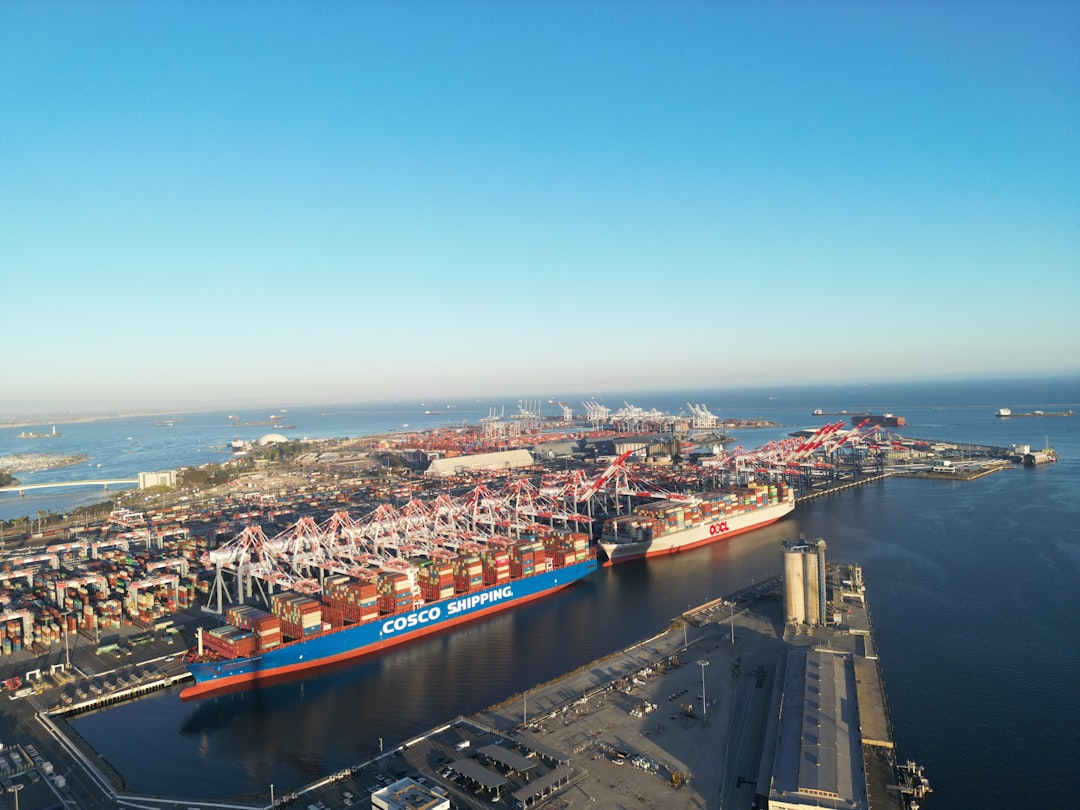
Despite these alarming figures, it is alarming that only seven of the International Maritime Organization’s (IMO) more than 170 Member States provided inspection results. This limited reporting creates significant gaps in the global safety landscape, posing a challenge to effectively monitor and mitigate risks. Krame reiterated the responsibility of states to enforce cargo safety regulations and conduct thorough inspections, underscoring that increased participation in reporting is crucial for identifying and addressing risks consistently.


The WSC has taken proactive measures by consolidating and publishing results following the IMO’s discontinuation of its annual consolidated reports in 2024. This initiative seeks to maintain access to vital safety information for both governments and the maritime industry.
Enhanced Compliance Efforts
In response to ongoing deficiencies, the WSC has implemented the Cargo Safety Program, which focuses on utilizing shared screening technology, standardizing inspection procedures, and facilitating operational feedback. This program aims to help distinguish misdeclared and undeclared dangerous goods before their loading onto vessels, ultimately enhancing overall cargo safety.
Why It Matters
The persistence of safety deficiencies in cargo inspections highlights critical issues within maritime safety protocols and the accountability of flag states. The operational risks presented by shortcomings in packing and documentation can lead to significant financial repercussions and threaten crew safety. For shipping operators, this situation necessitates a rigorous approach to compliance, not only to avoid penalties but also to uphold industry standards. Future focus should pivot toward incentivizing comprehensive reporting among a broader range of member states, fostering an environment where rigorous inspection protocols can be established and maintained for the benefit of the global shipping industry.