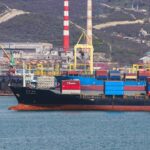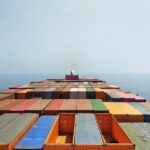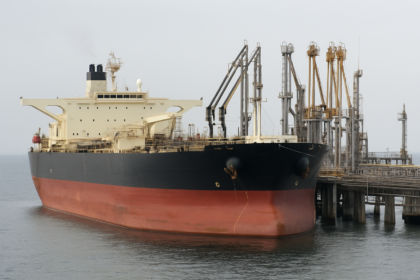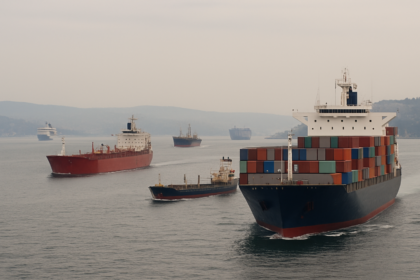
In August, Russia shifted its crude oil transportation strategy significantly, relying heavily on non-G7 flagged tankers, specifically those operated by companies based in Hong Kong. This change was prompted by an increase in maritime attacks, which led Greek tanker operators to withdraw from operating in the Black Sea.
Shift in Export Dynamics
According to data from S&P Global Commodities at Sea and the Maritime Intelligence Risk Suite, Hong Kong operators loaded approximately 70.7% of Russia’s crude exports, which amounted to around 3.8 million barrels per day last month. This marks an increase from 63.8% in July and represents the highest share in five months. The amount of crude lifted by Hong Kong tankers alone surged to 32 million barrels, significantly higher than the 18 million barrels recorded in July.
The reliance on Hong Kong operations is attributed to their ability to sidestep Western maritime services, with most vessels operating under a structure that allows for quick changes in ownership, thereby providing operational anonymity. This adaptability makes Hong Kong-based shipping firms enticing for those seeking to navigate sanctions effectively.

Greek Withdrawal and Maritime Threats
The withdrawal of Greek tanker firms, vital players in the EU’s shipping sector, resulted in their lifting decreasing to a five-month low of 13.6 million barrels in August, a stark drop from the 26.4 million barrels handled in the previous month. Notably, the quantity lifted from the Black Sea dropped to just 3 million barrels from 11.6 million barrels.
This exodus aligns with increased Ukrainian drone strikes aimed at vessels linked to Russian trade in the region, which have implicated Greek-operated tankers like Kyklades Maritime’s Nissos Sifnos and Dynacom’s Marathi. These developments have raised operational risks and prompted a reevaluation of engagement strategies within the area.
Market Implications
These shifts occur amidst a backdrop of rising Russian crude oil prices, which have surged from an average of $52.927 per barrel in July to approximately $64.242 in August, with further increases noted recently. This price recovery has reshaped trading opportunities and influenced the operational calculations of involved parties.
Under the G7 price cap regime, there is a divergence in compliance levels. The U.S. allows exports below $60 per barrel, while Japan, the EU, the UK, and Canada have set lower thresholds at $47.6 per barrel, complicating the landscape for maritime trade following shifting political dynamics.
The Operational Read
The recent shift towards Hong Kong-based tankers for Russian crude transport highlights an evolving operational environment shaped by geopolitical tensions. For operators in the Black Sea region, the implications of Greek withdrawal and the increasing risk of maritime threats necessitate a recalibration of risk assessment frameworks. The notable increase in shipments from Hong Kong underscores a strategic pivot for operators aiming for compliance while maintaining profitable trade routes. Monitoring ongoing developments surrounding sanctions and maritime security is critical as the market seeks to adapt to these rapid changes.