The ongoing maritime standoff in the Strait of Hormuz has reached a new peak, with Iran firmly asserting its control over the strategic waterway. Hossein Taeb, the head of Iran’s Basij paramilitary unit, publicly declared that the strait is under the complete management of the Islamic Republic, countering U.S. President Donald Trump’s assertion of total U.S. control over the area.
Statements from Iranian Leadership
In a statement reported by the semi-official Fars news agency, Taeb accused the United States of attempting to disrupt Iran’s influence in the region and propagating falsehoods about its military capabilities. He emphasized that Iran remains secure in conducting its operations in the Strait of Hormuz.
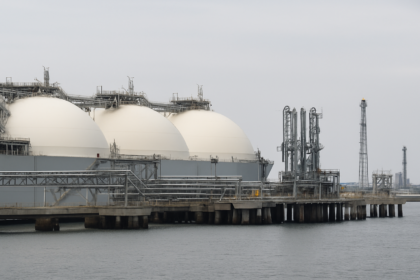
The Strait, a crucial transit route for approximately a fifth of the world’s oil and liquefied natural gas, has seen increased military activity following the U.S.-Israeli strikes on Iran that commenced on February 28. These hostilities significantly impacted maritime security in the region, as Iran took measures to restrict access to the strait.

U.S. Naval Blockade and Response
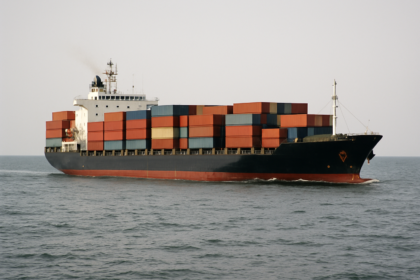
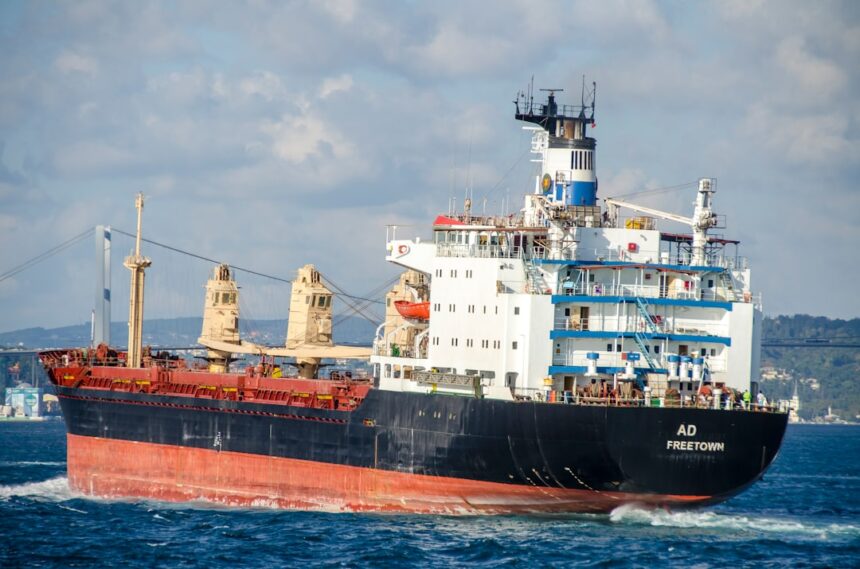
Following the onset of hostilities, the U.S. imposed a naval blockade aimed at Iranian shipping, while also affirming its commitment to ensuring freedom of navigation for vessels en route to and from non-Iranian ports. Iranian military officials, including those from the Khatam al-Anbiya Central Headquarters, have claimed that no vessel can transit without Tehran’s permission, dismissing U.S. claims as unfounded.
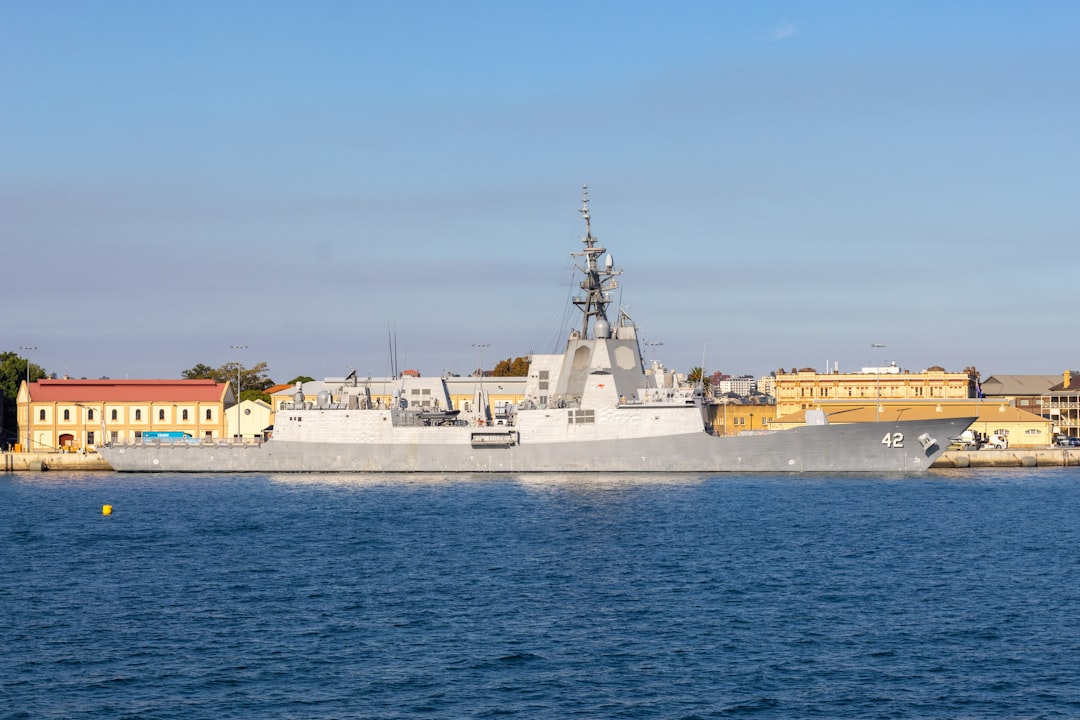
Despite an interim agreement reached in June that outlined a ceasefire and a return to normal shipping operations, tensions escalated after Iran resumed its attacks on what it deemed contravening vessels. This led to renewed military actions by the U.S. aimed at diminishing Iran’s operational capabilities in the Gulf.
Future Implications for Shipping
Officials in Iran, such as senior military figure Rasoul Sanaei-Rad, have warned that the strait will not reopen until the U.S. fulfills its commitments under the ceasing agreement, suggesting that unilateral actions by Washington will not suffice. Sanaei-Rad also indicated that a stronger Iranian military stance would be adopted in any potential future conflict, raising concerns for international maritime operations in the region.
The Operational Read
This escalating confrontation underscores the vital importance of the Strait of Hormuz for global energy supplies and maritime trade. Shipping operators must remain vigilant as geopolitical tensions remain high, potentially impacting routing and laytimes. The risk of disruption through this critical choke point necessitates close monitoring of compliance with agreements and military posturing from both nations. As Iran tightens its grip on navigation rights in the strait, operators should be prepared for increased war-risk premiums and adjust contingencies for potential reroutes.