Update 27 Jun 2026, 14:37 UTC:
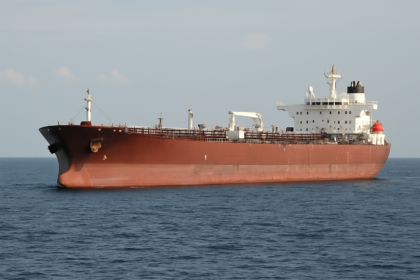
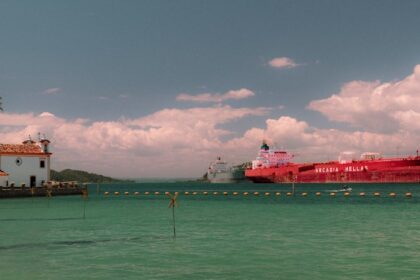
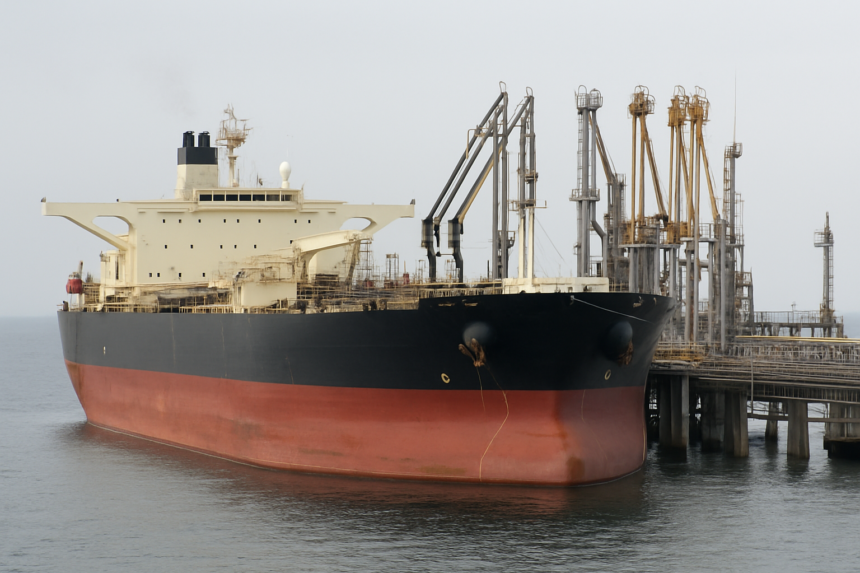
Saudi Arabia is actively increasing its crude oil shipments following the reopening of key Persian Gulf ports, which had been closed due to the recent conflict with Iran. The resumption of operations at Ras Tanura marks a crucial step in the recovery of Saudi oil exports, now reaching approximately 75% of their pre-war capacities. Two Very Large Crude Carriers (VLCCs) are currently loading at single-point moorings at Ras Tanura, the first vessels to use this terminal since early March.

Current Operations at Ras Tanura
The first VLCCs have begun operations under a satellite tracking protocol, confirming their moorings at Ras Tanura. Vessel movements indicate that another VLCC is being guided to the berth by tugs. This activity comes after a significant period when Saudi Arabia was compelled to redirect shipments to its Red Sea ports through a 746-mile pipeline due to the geopolitical tensions restricting Gulf operations.

Exports from Yanbu and Strategic Alternatives
In addition to the reopening of the Persian Gulf facilities, the Yanbu terminals on the Red Sea continue to play a pivotal role in Saudi oil exports. Reports indicate that all seven berths dedicated to crude loading in Yanbu were occupied on a recent Friday, indicating a full-scale utilization for the first time since the onset of the conflict. Shipments from Yanbu have increased, currently averaging around 4.1 million barrels per day, though this figure still falls short of the pre-war average of approximately 7 million barrels a day.
The Operational Read
The resumption of oil exports from Ras Tanura represents a significant operational milestone for Saudi Arabia’s oil industry, reinstating critical supply routes while also highlighting evolving dynamics in regional trade. For operators, reliance on Red Sea routes may increase as geopolitical tensions surrounding the Strait of Hormuz continue to pose a risk. As preparations for long-term stability unfold, stakeholders should monitor developments closely, especially regarding the traffic agreements anticipated in any US-Iran peace negotiations, which may redefine access to this strategic maritime chokepoint.