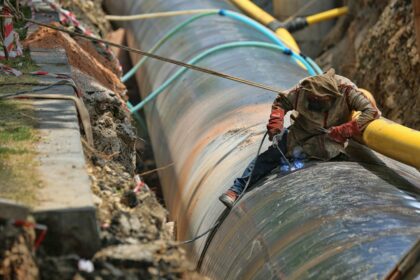
The ongoing conflict in Iran is compelling Gulf nations to intensify investments in infrastructure, particularly ports and energy pipelines. This strategic shift aims to mitigate the disruptions caused by the war, particularly given the Strait of Hormuz’s historically significant role as a global oil transit route, now threatened by ongoing tensions.
The Shift Away from Hormuz
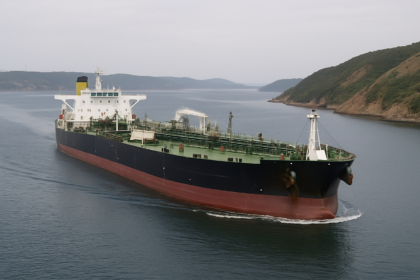
Historically, the Strait of Hormuz accounted for approximately 20% of global oil flows, making it a crucial chokepoint. However, with the strait experiencing virtual blockages for much of the past six months, Gulf governments are recalibrating their investment strategies to future-proof trade. Industry sources indicate a pronounced urgency to develop integrated solutions allowing for alternative routes, thereby minimizing the economic fallout associated with potential disruptions.
Investment in Infrastructure
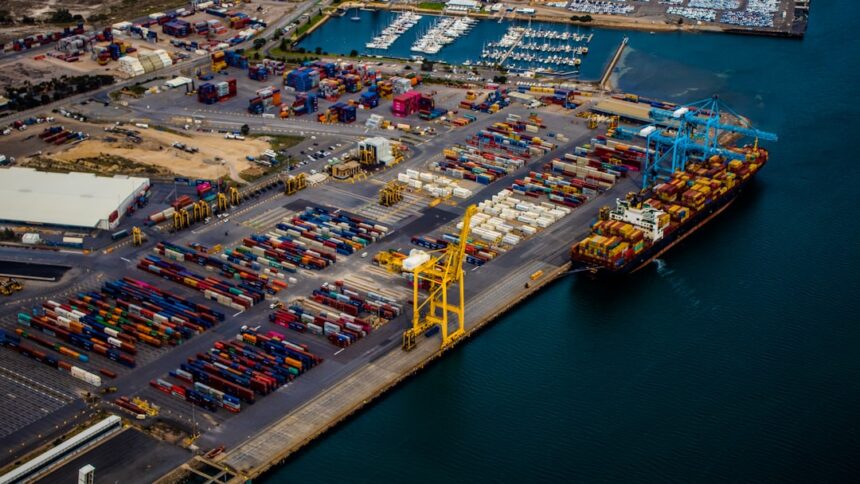
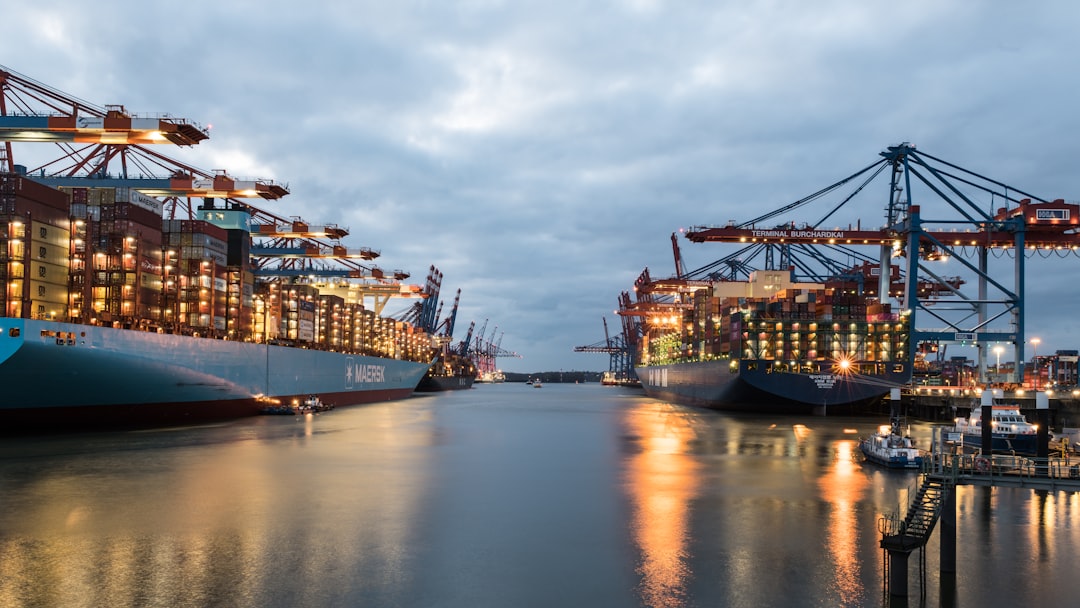
Recent reports highlight a surge in capital investment commitments from Gulf nations, as they navigate the fallout of the Iran war. Port infrastructure has emerged as a top priority for countries such as Saudi Arabia, which seeks to bolster its capabilities amidst declining exports. Abu Dhabi’s sovereign wealth fund, L’IMAD, recently announced plans to acquire the remainder of AD Ports, which has reported significant drops in throughput during the last quarter. Meanwhile, DP World aims to mitigate operational challenges by developing additional container terminals in Fujairah and establishing inland container depots across the UAE.


Economic Implications
The economic ramifications of the conflict extend beyond shipping disruptions. Strikes on production facilities have also adversely affected various sectors including oil refining and aluminum production, with air traffic still below pre-war levels. In response to these pressures, Gulf nations are relying on their sovereign wealth funds to facilitate large-scale infrastructure projects, with many government officials indicating a willingness to seek external investment as well.
Behind the Headline
The shift towards robust infrastructure investment within the Gulf is a critical move in response to geopolitical risks affecting global trade dynamics. For operators and charterers, this means a renewed focus on adaptability as supply chains evolve. The push for enhanced port capacities and alternative transport routes not only aims to secure the flow of goods but also addresses long-term economic stability. Going forward, stakeholders should monitor how these developments unfold in real-time, particularly regarding the implementation of new strategies and the agility of regional oil transport capabilities.