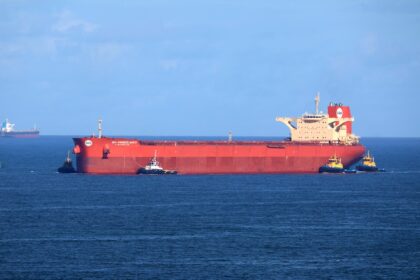
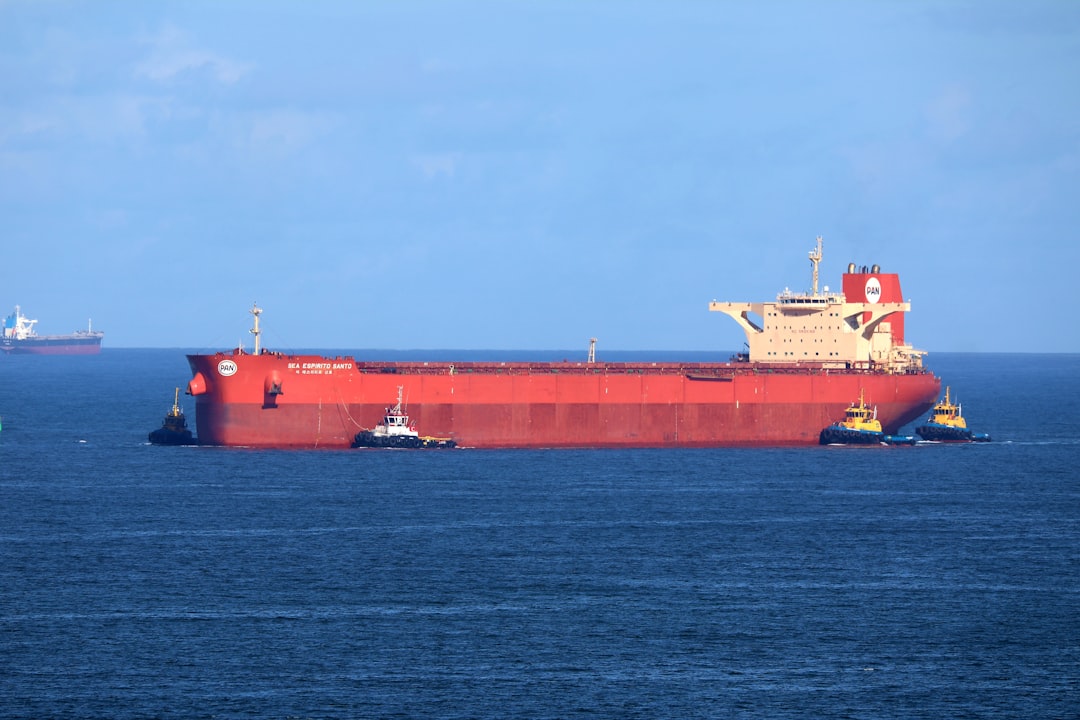
Freight rates for oil tankers on the critical route from Saudi Arabia to China are nearing $650,000 per day, reflecting the escalating impact of the Iran war on maritime trade. This rapid increase is more than tenfold compared to rates from a year ago, according to data from the Baltic Exchange.
Market Dynamics
The surge in tanker earnings highlights a critical shift in shipping operations, as major oil-exporting countries navigate the risks associated with moving cargo through the increasingly perilous Strait of Hormuz. In recent transactions, vessels transporting oil from Saudi ports have been achieving rates of approximately $647,000 a day, reinforcing the influence of geopolitical factors on shipping costs.
Sinokor Group, recognized as the world’s largest supertanker operator, has capitalized on the situation by leasing its fleet at elevated rates. Their proactive strategy, which included acquiring an extensive number of tankers prior to the onset of the Iran war, has positioned the company as a major player during a turbulent market phase.

Impact of Geopolitical Tensions
The conflict has obscured shipping volume data in the Persian Gulf, previously a reliable benchmark for supertanker earnings. The necessary processes involved in moving oil through Hormuz have become more complex, with additional costs associated with the transfer of cargo onto different vessels outside the choke point. This layer of logistics has compounded the existing challenges, effectively doubling the financial impact on tanker operators. Current estimates place the daily rate for hiring a tanker from Oman to China at approximately $220,000, a steep increase from previous months.
Disruptions continue to arise from attacks on tankers by Houthi rebels, compelling Saudi Arabia to reroute some of its oil exports through longer routes involving the Mediterranean and even around Africa. These deviations add significant time to delivery schedules, further straining vessel availability.
Behind the Headline
This situation for tanker operators underscores the delicate balance between risk and reward in maritime operations during geopolitical unrest. Rising rates and limited availability signal a tightening market, forcing operators to navigate complex logistical challenges while managing costs effectively. Observing how shipping companies adjust their strategies in response to evolving risks will be vital, particularly as demand fluctuates and new routes may emerge due to ongoing conflicts. Stakeholders should remain vigilant to shifting trends in maritime freight costs and the broader implications for global oil transport.