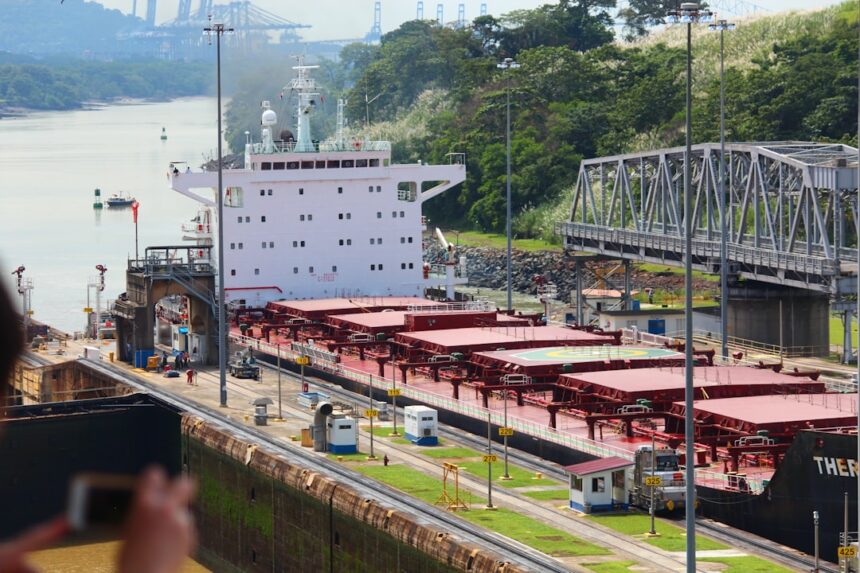
SK Gas Ltd. has set a new record by successfully bidding $5.3 million to secure a transit slot through the Panama Canal on September 1. This figure surpasses a prior high of $4.6 million set earlier in the same month, also by a South Korean shipper, indicating a strong trend of escalating transit auction prices.
Increased Demand Amid Geopolitical Tensions
The unprecedented bidding comes in the wake of intensified geopolitical tensions affecting global trade routes, particularly towards Asia. Following the onset of conflict in the region, the urgency for shippers to pass through the Panama Canal has surged, prompting operators to bid higher for transit. According to Argus Media, wait times at the canal have ballooned to as much as 11 days for vessels lacking reservations, further straining logistics for operators.

Market Conditions and Future Implications
Factors contributing to this rise in demand include the Panama Canal Authority’s recent imposition of tighter slot restrictions, effective September, as well as limits on cargo capacity due to anticipated drought conditions attributed to the developing El Niño weather pattern. These developments could threaten the freshwater levels critical for canal operations, adding another layer of complexity to shipping availability in the coming months. The Panama Canal Authority has noted that the majority of vessels continue to utilize its reservation system, but auction prices have significantly outpaced the median price of around $55,000 paid before February 2026.

The Operational Read
The record bid reflects a pivotal shift in how shippers approach transit reservations through critical chokepoints like the Panama Canal. With escalating wait times and the tightening of available slots, operators must reassess their strategies for routing and scheduling shipments. Furthermore, the looming impact of El Niño on freshwater levels will likely necessitate operational adjustments to ensure compliance with new cargo limits and minimize disruptions. Stakeholders across the shipping industry should prepare for sustained volatility in transit costs and availability as these environmental and geopolitical factors evolve.