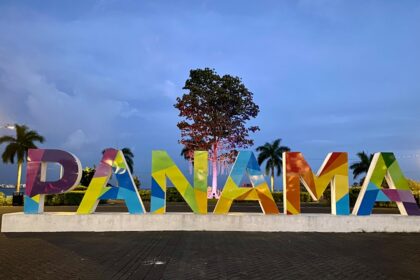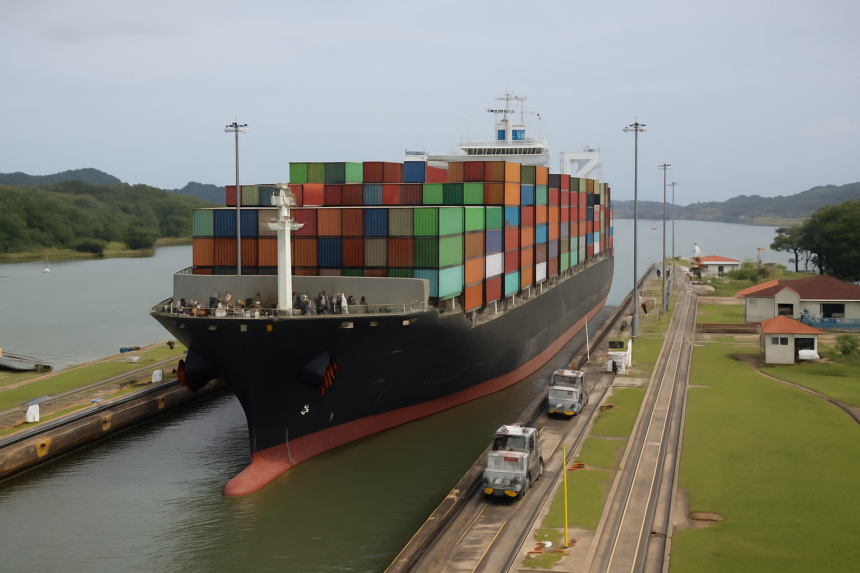
Congestion at the Panama Canal has reached its highest levels for the year, prompting the United States authorities to issue multiple waivers to the Jones Act, facilitating the transportation of domestic shipments. This decision comes amid increasing delays and maintenance challenges the canal is set to face.
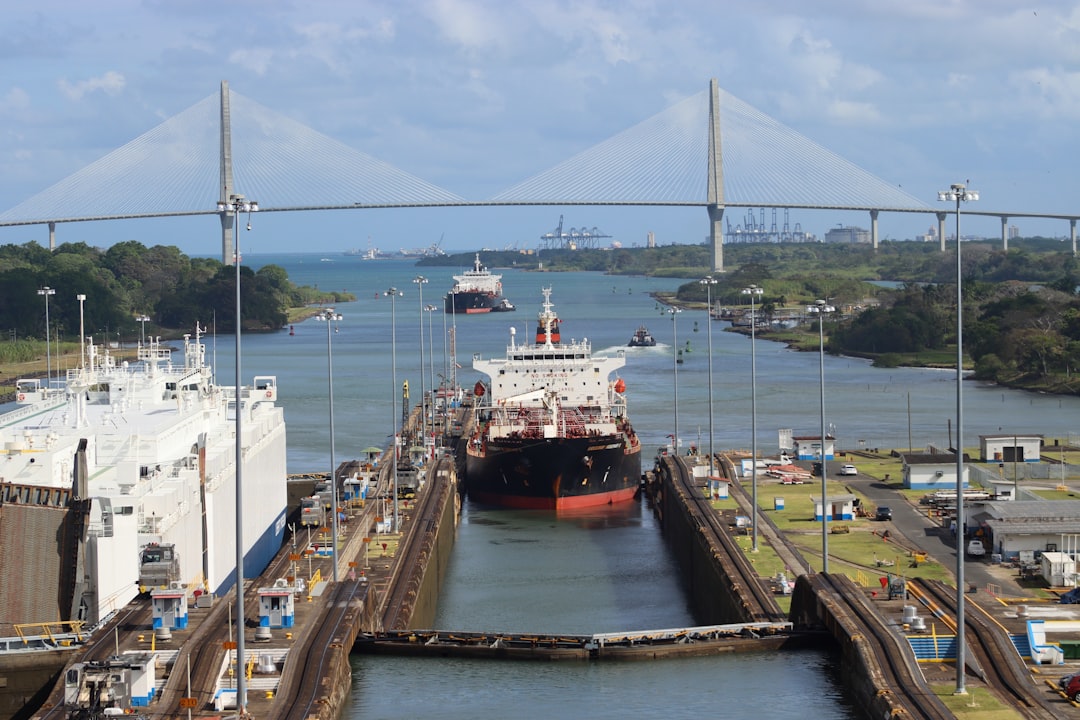
The Current Situation
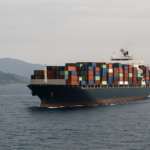
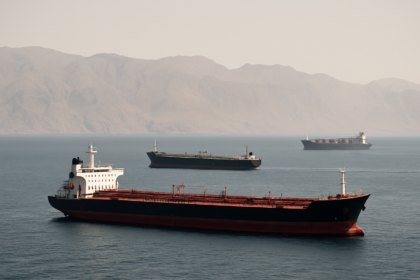
The Panama Canal Authority announced plans for a critical dry chamber overhaul from June 9 to June 17, reducing daily transit capacity from 36-40 transits down to 16. Shipping analysts from BIMCO reported that average wait times have notably increased, reaching 3.2 days for southbound vessels and 2.3 days for those traveling north. Year-over-year, the average waiting period has surged 50% to approximately 47 hours. The uptick in congestion coincides with an 8% increase in ship transits for 2026, with a daily average of 38 vessels, largely influenced by a rise in tanker operations aimed at meeting US energy export demands.
Regulatory Responses
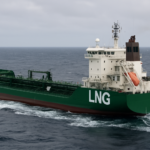
In light of the ongoing delays, the US Maritime Administration (MARAD) has enacted 21 Jones Act waivers since the start of 2026. These waivers allow foreign-flagged vessels to transport cargoes between US ports, particularly crucial for shipments on the vital West Coast route. The Jones Act, which mandates that goods transported between US ports be carried on US-built, owned, and flagged vessels, has faced scrutiny due to these waivers, emphasizing the challenges posed to domestic logistics.

Maintenance and Weather Challenges
The scheduled maintenance and repair work at the Gatun Locks is predicted to further worsen congestion as key transit slots will be significantly limited. Furthermore, forecasts indicating a 61% probability of El Niño development could exacerbate water scarcity issues in Canal tributaries, impacting the volume of transits. The Panama Canal Authority reassured stakeholders on May 18 that current data does not imply the need for immediate transit restrictions through December, as measures implemented since late 2025 have maintained high water levels in Gatun Lake.
Behind the Headline
The rising congestion in the Panama Canal highlights the intricate balance between operational capacity, maintenance needs, and increasing global demand for maritime transport. For operators, the issuance of Jones Act waivers presents both a challenge and an opportunity, as reliance on foreign vessels for domestic shipments could disrupt the established logistics framework. Widespread implications for shipping timelines and operational costs can be expected, particularly if El Niño conditions affect canal capacity as anticipated. Stakeholders should closely monitor these developments and consider alternative routing and scheduling to mitigate impacts.