Update 29 Aug 2026, 18:32 UTC:
The Panama Canal is currently facing significant congestion, leading to alterations in the routing of gas tankers. Recent vessel-tracking data has revealed that two supertankers were engaged in an unusual ship-to-ship transfer off Balboa port. This method enables one of the tankers to shuttle back and forth through the canal, ensuring the uninterrupted supply of liquefied petroleum gas (LPG) to Asian markets.
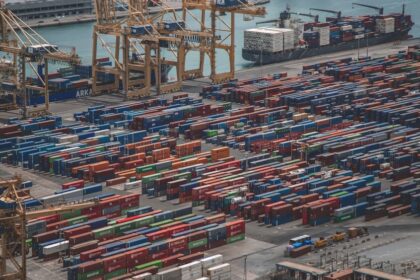
According to traders, the delays in the canal are a result of both increased traffic due to geopolitical issues, particularly the Iran war, and stringent restrictions imposed by authorities. The combination of heightened cargo limits and a reduced number of vessels allowed to transit is primarily attributed to drier conditions caused by El Niño. In recent months, waiting times for commercial vessels have notably increased, with operators occasionally paying millions of dollars to circumvent long queues.

Current Conditions at the Canal
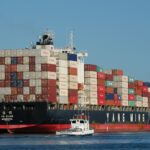
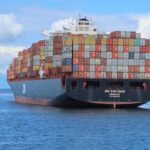
As of the latest reports, there are 14 ships queued near the Panama Canal without reservations, while 115 vessels are scheduled to transit. Idle northbound vessels may face maximum delays of eight days, whereas southbound ships could be delayed by up to four days. The effect of congestion is particularly felt by Neopanamax vessels, which are commonly utilized for transporting LPG from the US Gulf Coast to Asia. In contrast, Panamax tankers, which use a different lock system, have seen less impact on their rates and waiting times.
Strategic Adjustments by Operators
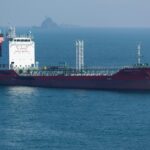
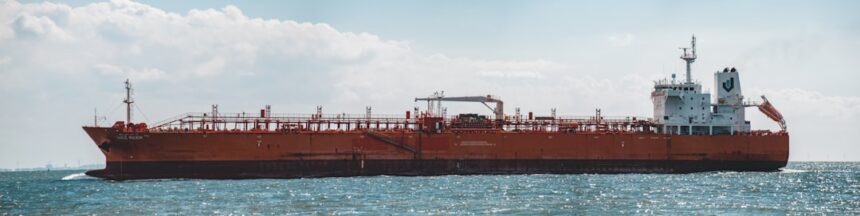
A good illustration of adaptive strategies is seen with the Panamax Energia Grandeur, which turned back from its journey to Asia to engage in a ship-to-ship transfer with the Neopanamax Eneos Wisdom. This tactical decision suggests that the charterer prioritized utilizing the ship for shuttling gas through Panama, as opposed to committing it to a lengthy trans-Pacific journey. Both supertankers are chartered by TotalEnergies SE, in conjunction with Eneos Holdings Inc., who maintain a stake in the management of Eneos Wisdom.
Additionally, the Panama Canal’s congestion has compelled the supertanker Gas Scorpio to navigate a longer route around South America to load its cargo in the US—which is an expensive reroute that adds roughly a month to its transit time. Such diversions have not been observed since a low rainfall event in 2023 that had previously hindered traffic through the canal.
Industry analysts note that the existing global LPG market is already strained due to the geopolitical tensions in the Strait of Hormuz. The situation involving the Panama Canal exacerbates an already precarious scenario for energy transport, creating a vivid example of how geopolitics, climate variability, and energy security are converging in the contemporary market.
Behind the Headline
The ongoing congestion at the Panama Canal highlights significant operational challenges for shipping companies and charterers engaged in the global LPG market. The necessity for tankers to perform ship-to-ship transfers illustrates not only an immediate tactical adjustment but also a deeper dependence on this critical waterway for maintaining efficient supply chains. With increasing wait times and costly reroute decisions, operators are closely monitoring canal conditions and geopolitical developments to refine their logistic strategies. The repercussions of such congestion could lead to increased freight rates and reshape routing preferences in the future, impacting profitability and service reliability across the energy sector.