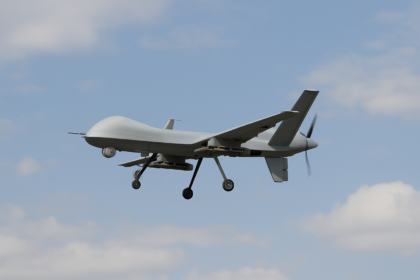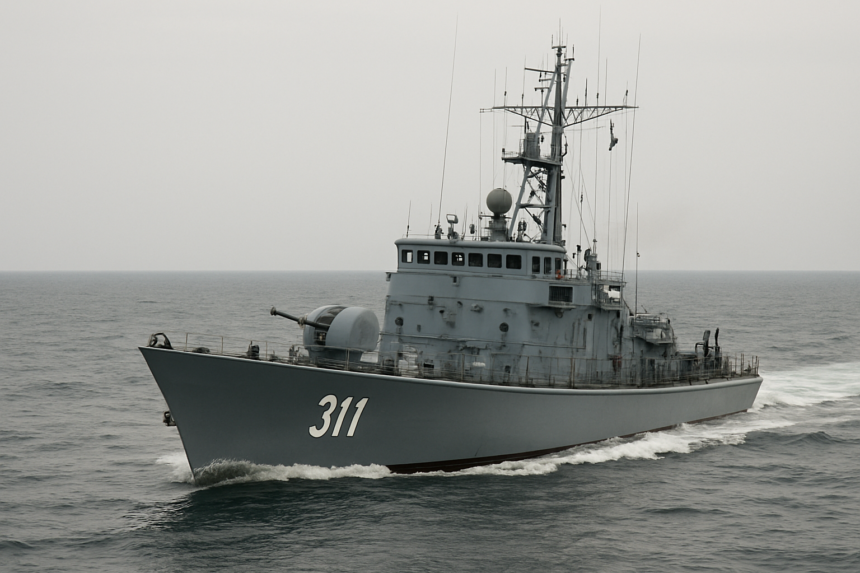
On June 30, 2026, the Chinese military and coast guard announced the completion of patrols around Scarborough Shoal in the South China Sea, reinforcing Beijing’s territorial assertions in this highly disputed maritime area. The Southern Theatre Command of the People’s Liberation Army (PLA) confirmed that both naval and air forces participated in combat-readiness patrols, asserting China’s authority in the surrounding territorial waters and airspace.
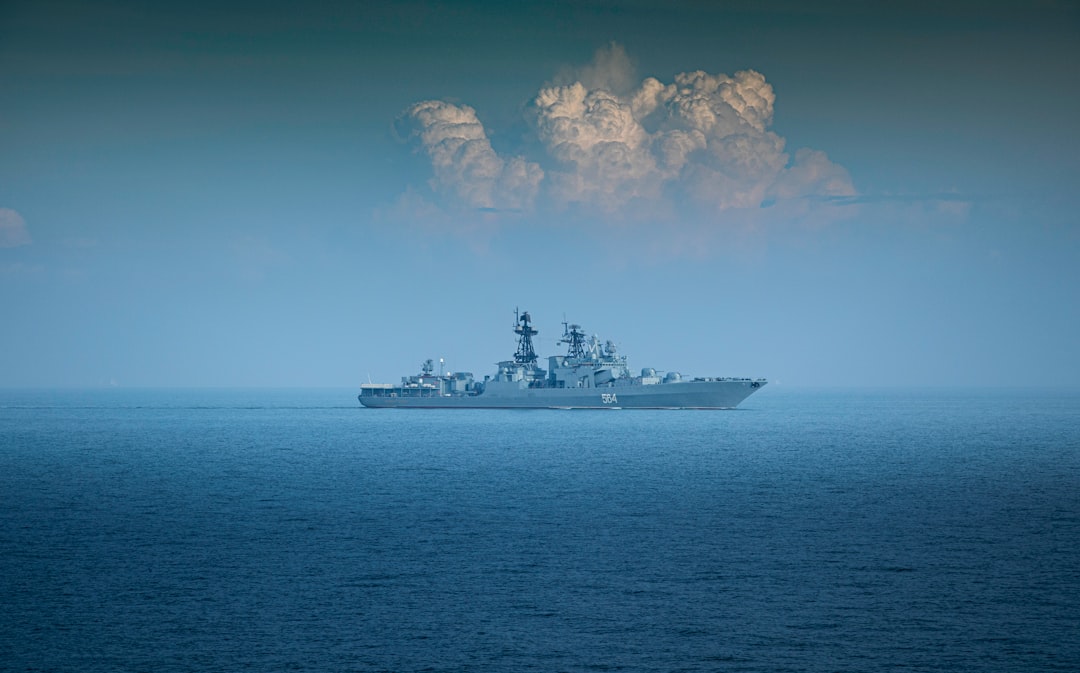
Patrols and Regional Implications
Beijing refers to Scarborough Shoal as “Huangyan Dao,” a site of contention between China and the Philippines. The Chinese Coast Guard (CCG) also reported conducting law-enforcement patrols on the same day, stating that they targeted vessels engaged in unspecified “illegal rights-violation activities.” This description remains vague, prompting speculation regarding the specific actions that triggered such patrols.
The announcement of the patrols is significant in the context of recent U.S.-Philippine military exercises within proximity to Scarborough Shoal, referenced as enhancing the collaborative commitment to a free and open Indo-Pacific region. Following these drills, China expressed its discontent, labeling the Philippine military’s collaboration with external nations as detrimental to regional peace and stability.


China’s Sovereignty Claims
Beijing has increasingly amplified its sovereignty claims over Scarborough Shoal in recent years, highlighted by the establishment of a national nature reserve deemed a pretext for occupation by the Philippines. Earlier in June, the Philippines reported that China had deployed a floating platform at the entrance to Scarborough Shoal, which was later removed, suggesting ongoing infrastructure activities that may be contested further by Manila.
China maintains that any international scientific efforts in the region are within the rights of a sovereign entity, reflecting a broader strategy to reinforce its claims amidst international scrutiny. This cycle of patrols, exercises, and international military presence underscores the changing dynamics of conflict and cooperation in the South China Sea.