The Current Market Situation
Oil prices experienced a decline for the fourth consecutive session, reaching their lowest marks since before the start of the Iran conflict. Brent Oil Futures for August settled at $72.65 per barrel, reflecting a 1.5% decrease, while West Texas Intermediate (WTI) crude prices were down 1.2% at $69.50 per barrel as of 05:55 ET on Thursday. These figures represent a significant drop from earlier highs attributed to the geopolitical tensions in the region.

Strait of Hormuz Traffic Normalizes
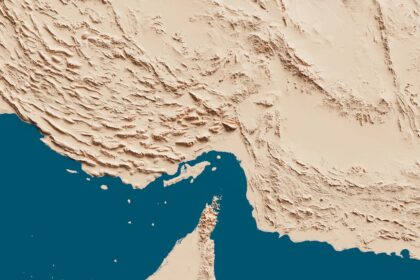
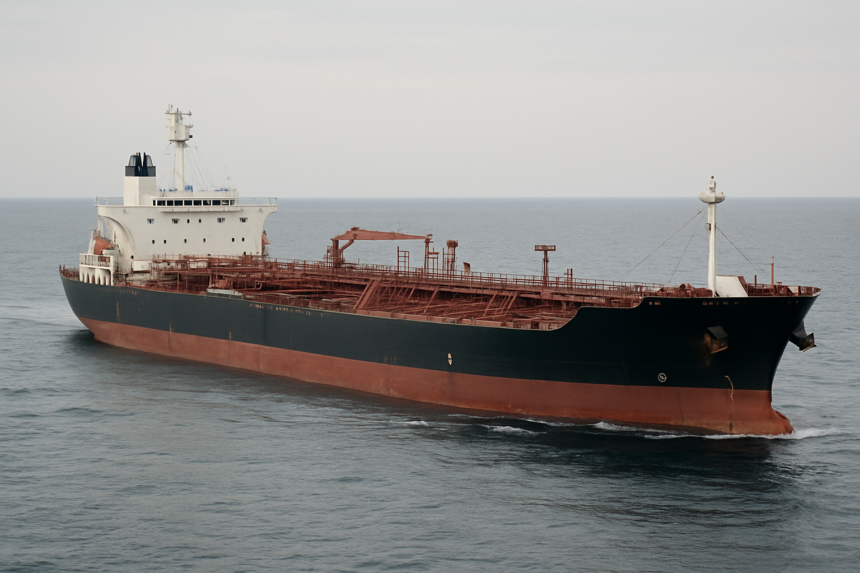
The reduction in oil prices is associated with improved traffic flow through the Strait of Hormuz, a pivotal waterway for global energy transportation that accommodates roughly a fifth of the world’s oil consumption. U.S. Energy Secretary Chris Wright noted that crude flows through this strategic passage are nearing pre-conflict levels, with military escorts ensuring the safe passage of about 20 million barrels in the last 24 hours. This resurgence in vessel activity has resulted in several previously stranded tankers in the Gulf resuming their voyages.
Investors are now considering the possibilities of Iranian oil export recovery following reports of temporary U.S. sanctions relief. The juxtaposition of easing supply concerns against historical price spikes—such as Brent crude’s surge past $120 a barrel during heightened tensions earlier this year—illustrates a notable shift in market dynamics.

Inventory Data and Future Outlook
Recent analysis from the U.S. Energy Information Administration highlighted a 6.1 million barrel draw in commercial crude inventories for the week ended June 19, marking a decrease to 412.1 million barrels, the lowest since January 2025. In contrast, gasoline and distillate stocks saw increases, with gasoline inventories rising by 2.1 million barrels and distillate stocks, which include diesel and heating oil, increasing by 3.1 million barrels.
While the current market climate reflects reduced fears of a prolonged supply disruption, analysts remain cautious. The potential for renewed hostilities between Iran and the U.S. poses a significant risk, with the capacity to disrupt oil flows and reintroduce uncertainty into the market.
The Operational Read
The stabilization of oil flows through the Strait of Hormuz represents a critical moment for operators and global energy markets. For shipping companies, maintaining safe and consistent transit through this vital chokepoint will be paramount. As tensions ease, the potential resumption of Iranian exports could further balance global supply, though stakeholders must remain vigilant regarding geopolitical developments. As part of their operational strategy, shipping operators might need to consider risk assessments that account for regional volatility, with preparatory measures for sudden upsurges in conflict. Future price movements will likely hinge on ongoing inspections and military presence in the channel, signaling the practical realities that will shape market sentiment and operational viability in the months to come.