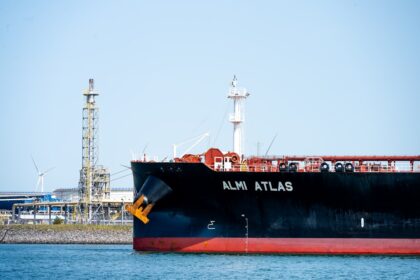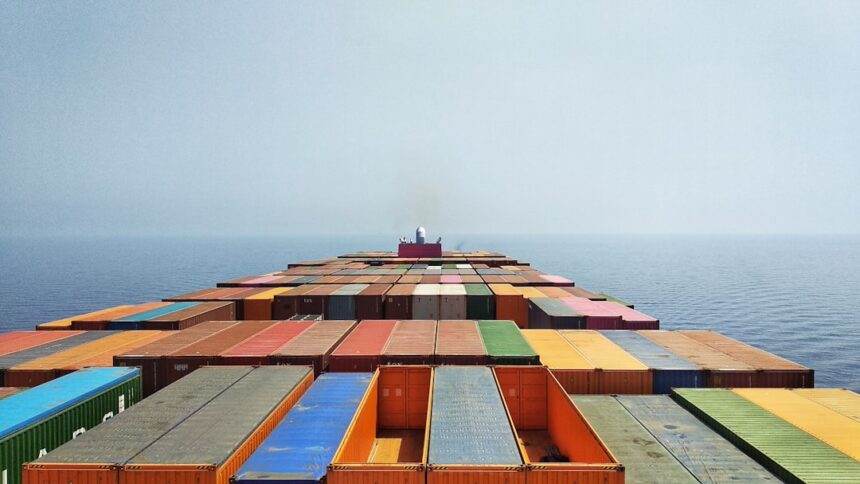
The United Arab Emirates (UAE) has officially suspended trade and financial transactions with Iran, following heightened tensions concerning missile threats aimed at its territory. This development comes amidst a backdrop of unresolved conflicts in the Strait of Hormuz, a critical maritime chokepoint through which a significant share of the world’s oil and liquefied natural gas transits.
The Expired Memorandum
The memorandum of understanding signed between the United States and Iran in June was intended to pave the way for further negotiations regarding the Strait’s control and regional stability. However, with this agreement now expired and no plans for extension, the situation remains precarious. President Trump has emphatically stated that no talks or negotiations with the Iranian government are currently underway, which has left the future status of Hormuz in limbo.
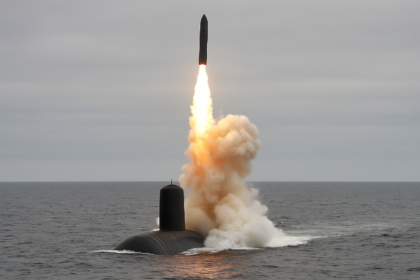
Following Iran’s confirmed missile threats, one of which allegedly struck UAE waters, the UAE has taken a hard stance, emphasizing its commitment to regional security. This marks the first confirmed attack on the Gulf nation since May and raises alarms over the viability of safe passage for maritime traffic in the region.

The Impacts on Shipping and Oil Markets
Contrary to the claims made by President Trump that the Strait of Hormuz is ‘open and operating’, shipping data paint a different picture. Oil prices have surged above $91 per barrel as prospects for a swift resolution fade. Incidents such as projectiles damaging a vessel leaving the Strait further illustrate the risks faced by operators in this vital waterway.
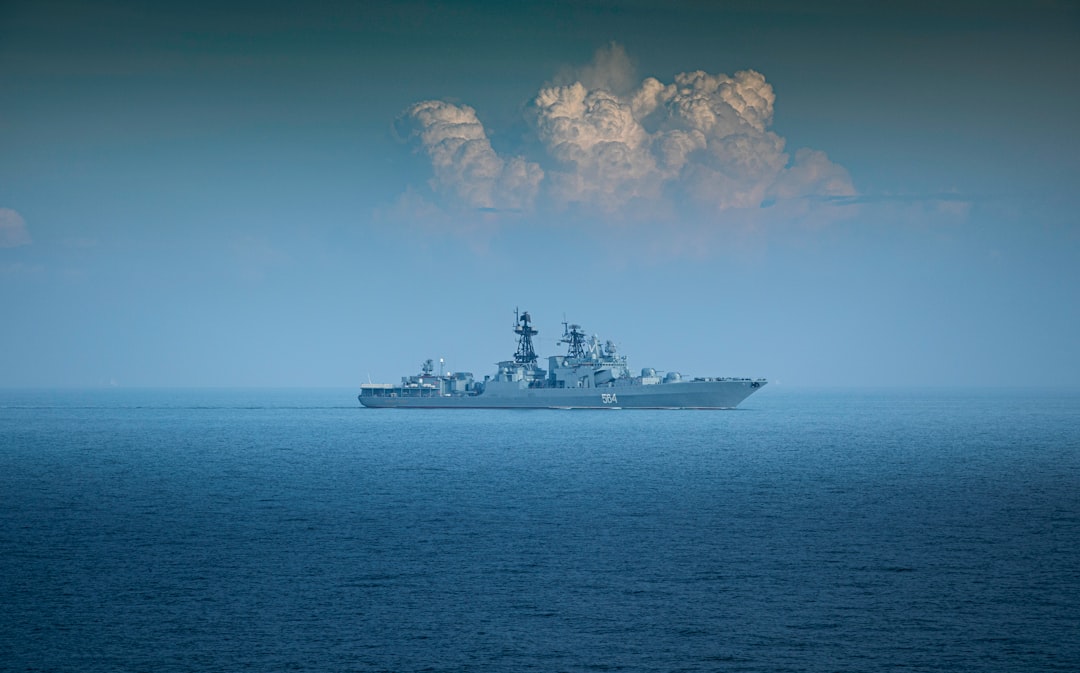
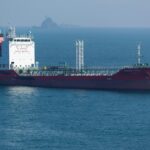
The UK reported that a ship was hit by a projectile that resulted in engine room damage and one casualty. These incidents not only jeopardize the safety of maritime crews but also pose broad implications for global oil supply stability, with traffic through Hormuz remaining considerably below prewar levels.
Stalled Negotiations and Future Prospects
Discussions regarding reopening Hormuz appear stalled, despite various stakeholders expressing conflicting narratives. Iranian officials have articulated that any reopening would require the lifting of US-imposed sanctions and military operations in the region. Meanwhile, President Trump has called for an end to Iran’s proposed tolls on vessels transiting Hormuz, insisting that solid control needs to be established over the waterway.
The complicated dynamics at play, including Iran’s refusal to reciprocate open talks and the UAE’s cessation of trade activities, signal a long-term confrontation that may continue to impact maritime operations and energy markets significantly.
The Operational Read
The current situation in and around the Strait of Hormuz underscores the growing complexities for maritime operators and charterers as they navigate heightened geopolitical tensions. With incidents involving missile threats and blockades, companies may need to reassess routing options and risk factors for vessels operating in this area. The uncertainty around safe passage is likely to prompt increased insurance premiums and affect operational costs across the sector. As diplomatic channels remain effectively frozen, developments will need to be closely monitored to anticipate the longer-term consequences for shipping in a region that plays a critical role in global energy supply.