Update 06 Oct 2026, 16:32 UTC:
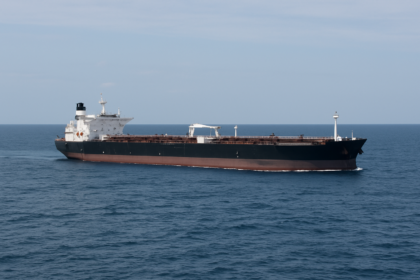
Recent drone strikes targeting commercial vessels off the western coast of the Black Sea have raised alarm among shipping operators and NATO officials alike. Over the course of a single night, two general cargo ships were struck by air and naval drones in Bulgaria’s exclusive economic zone, according to Prime Minister Rumen Radev. These incidents come as the region struggles with already strained trade flows amidst the ongoing conflict in Ukraine.
Escalating Violence
On Tuesday, a commercial vessel laden with rapeseed oil fell victim to a Russian drone strike, leading to the death of one person, as confirmed by Odesa regional governor Oleh Kiper via Telegram. Radev emphasized the drones strikes as “absolutely unacceptable” and contrary to international law, although he refrained from directly attributing the attacks to any specific origin. He characterized the strikes as severely hampering shipping operations, raising insurance costs significantly, and complicating maritime logistics.


The heightened violence marks a dangerous precedent in NATO member states’ waters, reaffirming that the Black Sea remains a high-risk region for shipping. International attention follows another recent incident where a cargo vessel caught fire and sank on Monday in Romania’s exclusive economic zone due to drone strikes attributed to Russia. Reports indicate a Turkish-owned vessel carrying corn was among those targeted, with Ukrainian President Volodymyr Zelenskyy highlighting the threat to maritime safety.
NATO’s Strategic Dilemma
Despite the frequency of these drone incursions, Radev indicated that such attacks may not trigger NATO’s mutual defense clauses, citing historical precedents where the alliance did not respond forcefully to similar threats. This situation raises critical questions about NATO’s collective response strategy and its implications for European security and trade. For the alliance, the situation underscores the need for a calibrated response that balances military readiness with diplomatic considerations.
The ongoing conflict has significant implications for agricultural exports essential to global markets, given that Ukraine and Russia are some of the world’s largest grain producers. Disruptions to trade routes—especially through major ports like Constanta (Romania) and Varna (Bulgaria)—raise concerns about rising freight costs and consequently, global food prices.
The Operational Read
The intensifying threat of drone strikes in the Black Sea presents severe operational challenges for shipping companies and crews navigating these waters. With the likelihood of increasing incidents, operators must weigh the financial implications against the risks to human life and cargo. High insurance premiums and potential reroutes through longer, less congested passages could further inflate operational costs, affecting the pricing of agricultural exports. Close monitoring of military developments and regional maritime security will be crucial for stakeholders in the shipping industry as they adapt to the evolving geopolitical landscape.