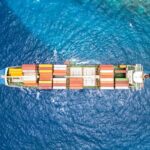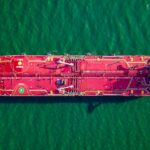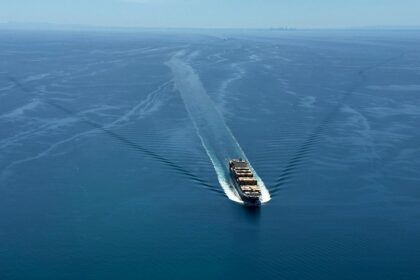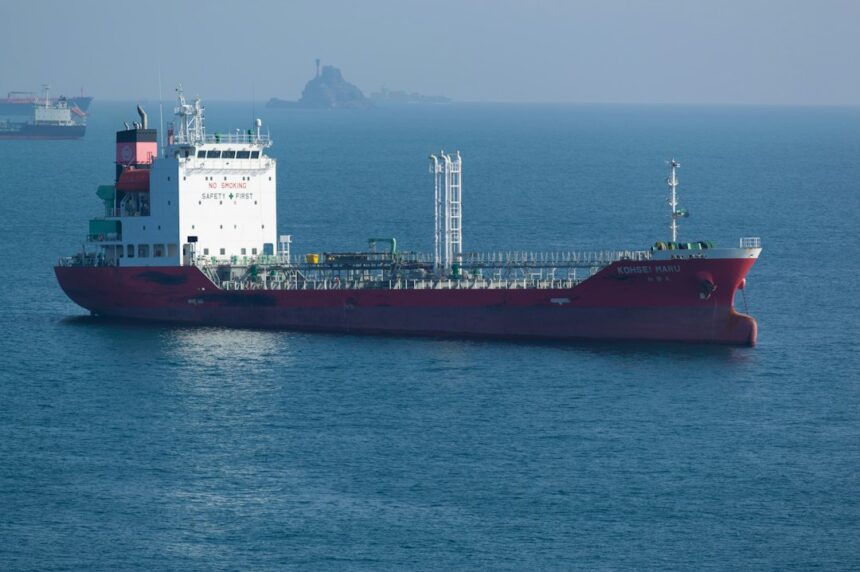
Twelve crew members were injured when the Panama-flagged oil tanker On Peace was struck by a projectile while transiting the Strait of Hormuz. The incident, which transpired on October 5, has been characterized as one of the more serious crew casualty events amidst a surge in attacks on commercial shipping in the region. According to India’s Ministry of External Affairs, of the twelve injured, eleven are Indian nationals out of a total crew of nineteen.
The injured seafarers were evacuated with assistance from Omani authorities and then taken to Khasab for medical treatment. India’s foreign ministry has expressed serious concern regarding the ongoing attacks, emphasizing the imperative for immediate cessation of hostile actions targeting commercial shipping, seafarers, and civilian infrastructure.
The Incident
Details surrounding the attack indicate a connection to a previously reported incident by the United Kingdom Maritime Trade Operations (UKMTO), which involved an unnamed tanker also struck by an unknown projectile earlier on the same day. This earlier attack led to a fire in its engine room, although initial reports from UKMTO cited no casualties or environmental damage. The situation highlights the escalating threat to shipping operations in this vital maritime corridor, which is crucial for global oil transport.

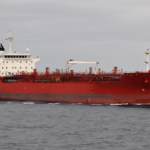
Notably, the On Peace is listed on a blacklist maintained by Iran’s Persian Gulf Strait Authority, which has previously threatened vessels on the list with various restrictions, including fines and detention, further exacerbating the risk profile for operators.
Market Impact
The increasing frequency of maritime attacks in the Strait of Hormuz is raising concerns among shipping companies and insurers. As tensions escalate, the maritime industry may see heightened war-risk premiums and a shift in operating procedures. The ongoing violence underscores the precarious nature of navigation in a region that remains critical for international trade.
With Iran’s Islamic Revolutionary Guard Corps issuing directives to vessels in the area, shipping operators may need to reassess their routes and the associated risks. The environmental and economic implications of these incidents are also significant, as disruptions in this chokepoint could result in delays and increased costs across global trade networks.
Operator Response
In light of these developments, shipping operators should develop robust risk management strategies to protect their crews and assets. Enhanced situational awareness and real-time monitoring of maritime security advisories will be vital. Companies might also consider adjusting insurance coverage to reflect the increased threat levels in the region and exploring alternative routing strategies to mitigate risks.
The Operational Read
The recent attack on the On Peace serves as a stark reminder of the growing dangers in the Strait of Hormuz. For operators, this underscores the need for diligent situational awareness and risk assessment procedures. With rising incidents of violence against commercial vessels, shipowners must prepare for potential service disruptions and increased costs associated with security measures. The industry should also advocate for stronger international response mechanisms to ensure the safety of maritime navigation. Stakeholders will be closely watching developments in this region to gauge the evolving landscape of risks and opportunities.