On August 16, shipping traffic through the Strait of Hormuz reached a historic low, with only one vessel making the crossing, according to a report from S&P Global Commodities at Sea. This decline in maritime activity, from eight ships on August 15 to merely the MR tanker Lubna on the 16th, underscores growing tensions in the region.
The Incident
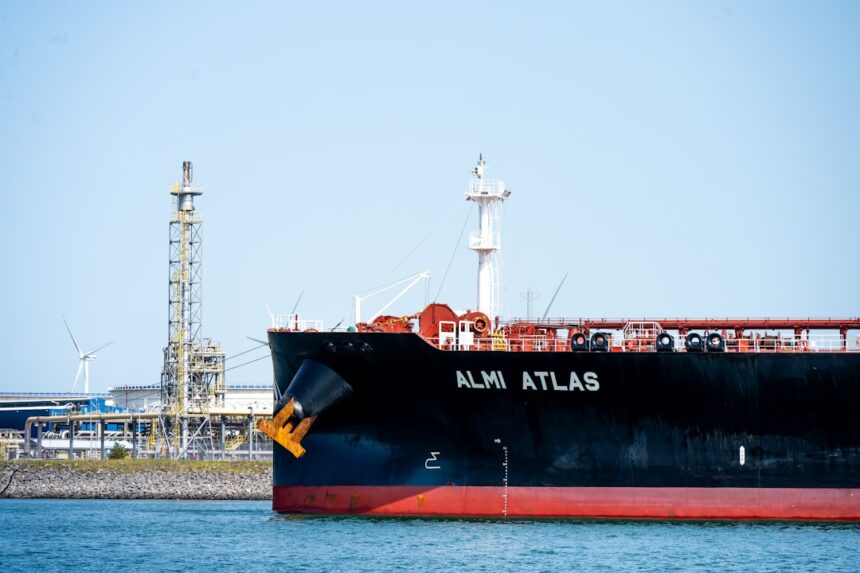
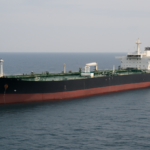
The Lubna, operated by Saudi Arabia’s National Chemical Carriers, moved inbound from the Gulf of Oman and was last tracked off Musandam, Oman, with a destination of Mina Saqr in Ras Al Khaimah, UAE. The decrease in shipping activity coincides with a series of maritime security incidents. Reports indicate that three ships were attacked in the Hormuz area over a short span of 72 hours leading to the 16th. Notably, the UAE’s Ministry of Foreign Affairs stated on August 15 that an ADNOC-affiliated vessel had been targeted by a hostile attack attributed to Iranian forces.
Market Impact
This significant drop in vessel traffic highlights the increasing risks faced by operators in the Strait of Hormuz. The region is a strategic chokepoint, responsible for a substantial percentage of global oil transit. With three assaults reported in recent days, ship operators are under immense pressure to reassess their transit strategies, potentially opting for longer, safer routes to mitigate exposure to emerging threats.

Total crossings along the US naval blockade line also saw a reduction, with 37 vessels reported on August 16, down from 53 the previous day. Meanwhile, traffic through the Bab al-Mandab strait also declined slightly during the same period, as regional operators navigate an unstable security backdrop.
The Operational Read
This sharp decline in maritime traffic through the Strait of Hormuz reflects deeper security concerns influencing operational decisions within the maritime industry. For charterers and operators, the heightened risk of ship attacks may necessitate increased war-risk insurance premiums and could lead to shifts in route planning. As geopolitical tensions escalate, the industry should remain vigilant for new developments and adapt quickly to the changing landscape to ensure safe and efficient transit through critical routes.