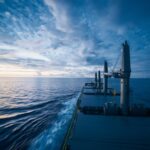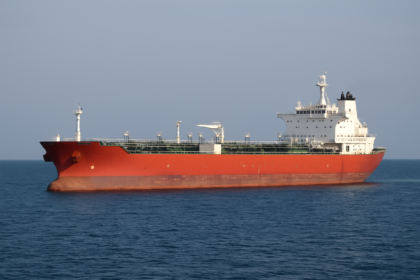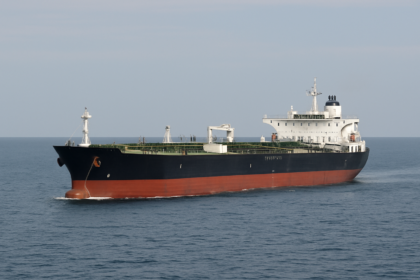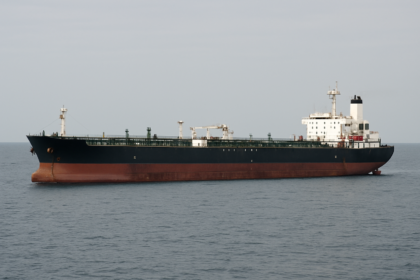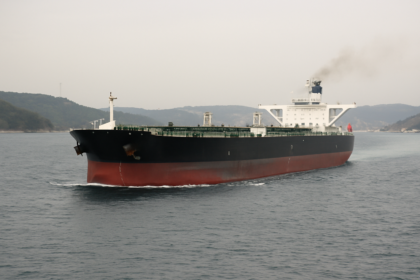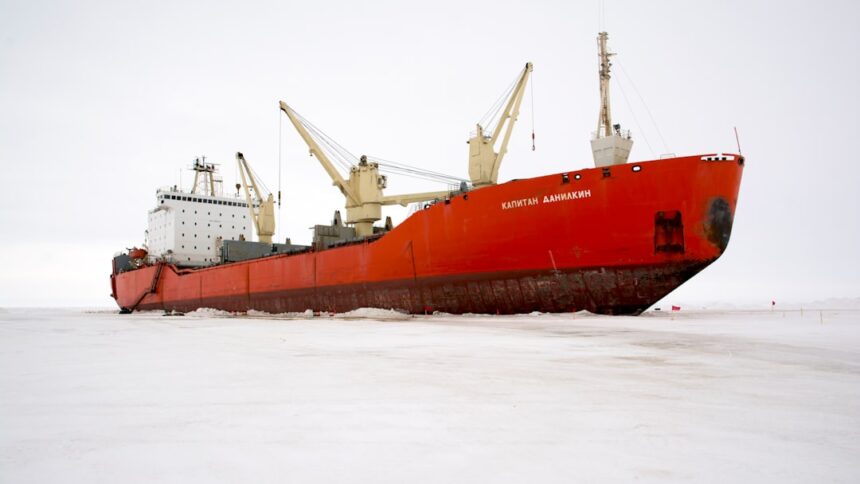
A tanker recently suffered extensive damage to its hull while traversing the perilous Arctic sea ice, emphasizing the inherent risks of navigating Russia’s Northern Sea Route. Despite icebreaker assistance, the vessel encountered substantial hull deformation, an issue that underscores the challenges operators face in this increasingly trafficked region.
The Incident and Its Aftermath
The incident resulted in an insurance payout of 53 million rubles, equating to approximately $650,000, according to Russian insurer AlfaStrakhovanie, which did not disclose specifics about the tanker or its ownership. The insurer noted that the damage occurred while the vessel was navigating ice-laden waters, and pointed out that icebreaker support, while beneficial, does not remove the inherent risks of Arctic navigation. “Even with icebreaker assistance, navigation in Arctic waters is associated with increased hull stress and the risk of damage,” AlfaStrakhovanie stated.
Rising Oil Shipments Through the Arctic
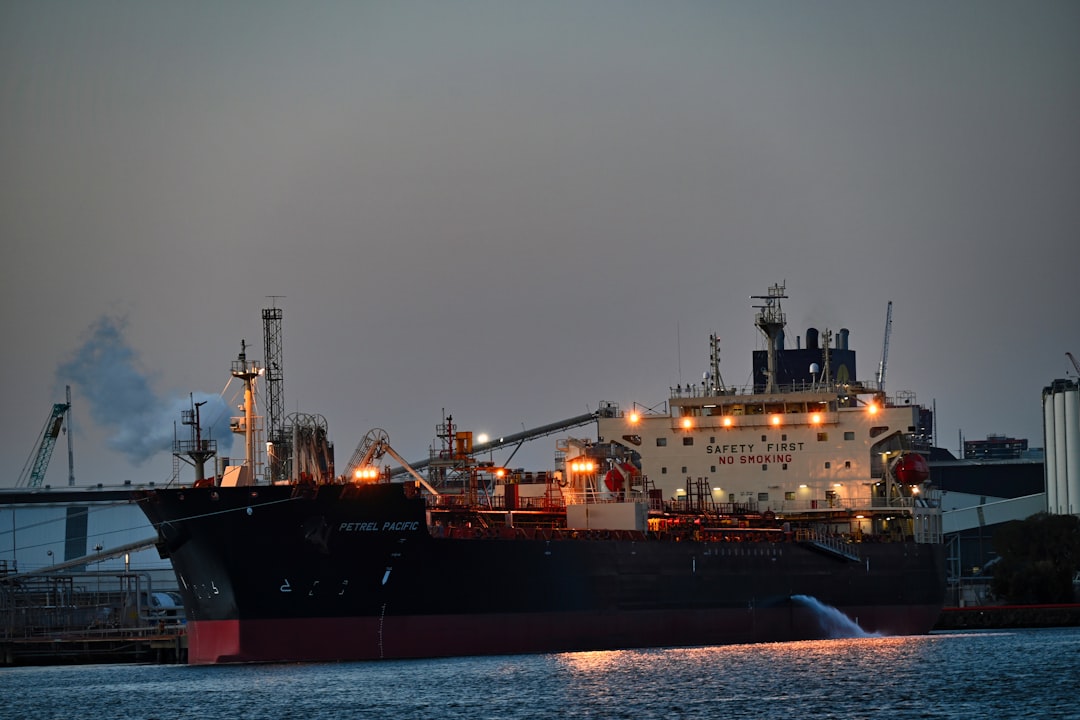
This incident occurs against the backdrop of Moscow’s broader strategy to enhance oil shipments through the Northern Sea Route. Recent reports indicate that over a dozen tankers carrying approximately 8 million barrels of Russian crude are currently en route to Asia, marking a significant uptick in activity. This volume already exceeds more than half of the total for the entire 2025 season. As navigation seasons become more vital for Russian oil exports, the pressure increases on conventional tankers to operate in conditions that can inflict considerable stress on their hulls.

Challenges of Arctic Navigation
The complexities of Arctic shipping are further compounded by the fact that, while an icebreaker may create a navigable channel, it does not eliminate the stresses vessels may still encounter. Ships must maintain adequate spacing in their convoys to leverage the icebreaker’s work while allowing for necessary maneuverability adjustments. The absence of crucial incident details—such as the tanker’s size, ice classification, and cargo type—hampers a full understanding of the ice conditions at the time of the incident, raising concerns regarding the operational limitations of the vessel involved.
The Operational Read
This incident highlights critical operational realities for shipping operators navigating the Northern Sea Route. The increasing frequency of ice-related incidents poses substantial risks, prompting a reevaluation of vessel suitability and operational protocols in this harsh environment. Furthermore, as Russia intensifies oil shipping efforts, the viability of the route as a commercial corridor will directly impact ship design, insurance strategies, and operational preparedness. Navigators must understand that reliance on icebreakers does not mitigate the risks associated with hull stress, making it crucial for shipowners to advocate for transparency and enhanced data from route administrators to better prepare their fleets for Arctic challenges.