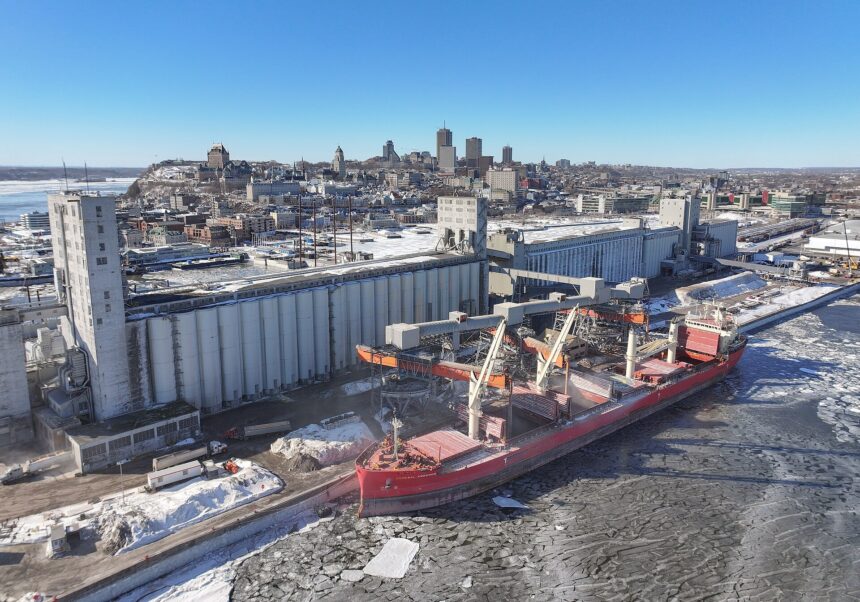
A significant Ukrainian military operation targeting Russia’s Novorossiysk port has resulted in damage to two major grain export terminals and a critical naval base. Local officials confirmed three fatalities and at least 24 injuries following the overnight drone and missile strikes.
Details of the Operation
Ukrainian President Volodymyr Zelensky described the attack as part of a “unique operation” aimed at striking Russian naval assets. While he did not explicitly mention the grain terminals, the Ukrainian military later stated that four Russian warships, including two frigates, were successfully targeted.
This dramatic escalation follows a summer marked by increased military exchanges in the Black Sea after a notably quieter period. The Novorossiysk port is vital for Russian grain exports and military operations, housing a substantial portion of Russia’s Black Sea fleet since recent strategic shifts forced it out of its previous base in Sevastopol.

Impact on Grain Exports
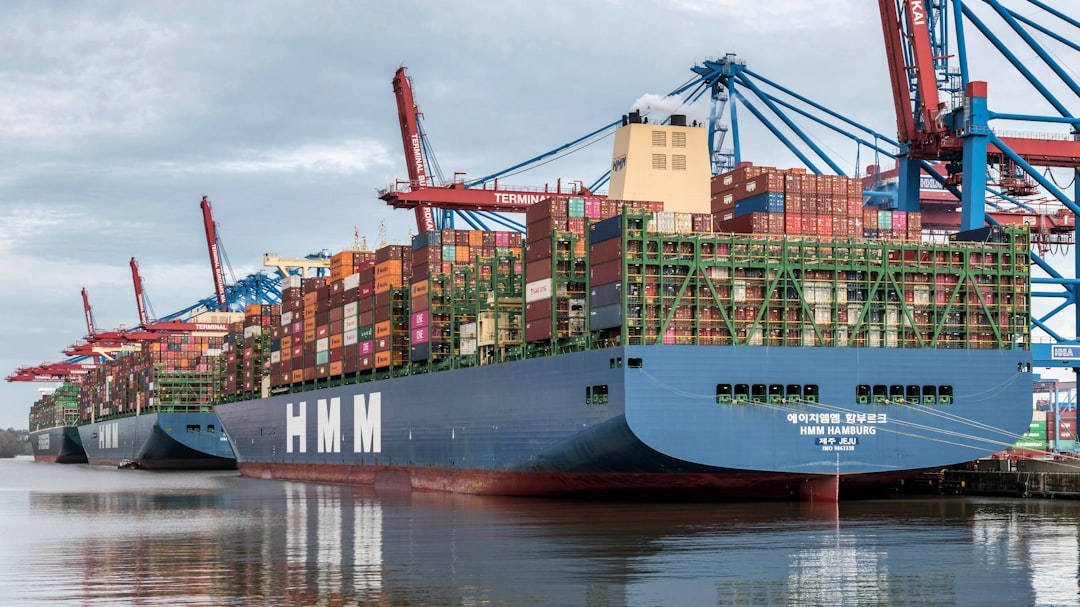
Several grain trading companies confirmed that their terminals sustained damage due to the attacks, raising concerns about the stability of Russia’s export capabilities. In light of these developments, the Russian agriculture ministry announced its efforts to redirect cargo to alternative routes, including ports in the Baltic and Caspian Seas, as well as land cargo options. This strategy appears to be a response to logistical constraints rather than an acknowledgment of the Ukrainian strikes.
Emergency measures were declared in Novorossiysk, and ongoing military responses from Moscow included aerial assaults on Ukrainian cities, resulting in civilian casualties. President Zelensky, addressing the broader implications of the conflict, indicated that Ukraine requires enhanced missile defense capabilities to counter continuing Russian missile attacks.
Regional Tensions Escalate
The increased military activities in the Black Sea have put pressure on shipping routes, leading to a decline in grain exports from Ukraine by 23% as reported by the Ukrainian Agribusiness Club (UCAB) in July. The ongoing conflict has continually affected the safety of maritime operations in the region.
The Operational Read
The successful targeting of strategic military and commercial assets in Novorossiysk underscores the evolving nature of maritime warfare in the Black Sea, with implications for global grain supply chains. As Ukrainian forces enhance their long-range strike capabilities, operators must anticipate ongoing disruptions to shipping routes that link these vital agricultural exports to global markets. Future engagements may further destabilize the region, necessitating increased security measures, including the possibility of rerouting vessels away from high-risk areas. Vigilance will be crucial for operators navigating these complex geopolitical waters.