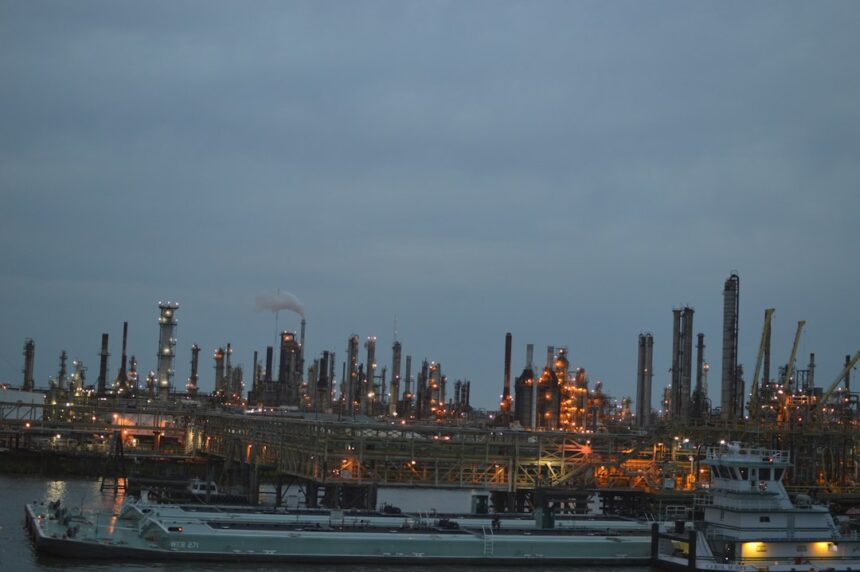
On Tuesday, October 27, Yemen’s Houthi militia announced a missile strike on Saudi Arabia’s Ras Tanura oil refinery, the country’s largest facility, which has a processing capacity of 550,000 barrels per day. The strike reportedly resulted in a fire at the complex, situated strategically west of the Strait of Hormuz, which is vital for global oil exports.
The Incident
According to the Houthi military spokesperson, Yahya Saree, the strike marks a significant escalation in hostilities between the group and Saudi Arabia. Ras Tanura is not only a major refining hub but also includes a shipping terminal that plays a crucial role in the export of Saudi oil. Although Saudi authorities have not confirmed the specifics of the attack, sources cited by Bloomberg indicate that efforts were made to contain the fire shortly after its occurrence.

Wider Implications
This incident is part of a broader trend wherein the Houthis have intensified their military actions against Saudi Arabia, particularly since September. The actions include an increasing frequency of missile and drone strikes against critical Saudi infrastructure, including ports and airports. These developments threaten not only regional stability but also the continuous flow of oil from one of the world’s largest producers. Nearly all of Saudi Arabia’s oil exports traverse Ras Tanura and another significant port, Yanbu, both of which have been targets of Houthi attacks previously.

The implications of this attack extend beyond immediate physical damage. Reports indicated that civil defense authorities in Riyadh issued air raid alerts shortly following the strike, highlighting the potential for widespread panic and disruption within the capital. Furthermore, the Saudi-led coalition fighting against the Houthis intercepted two ballistic missiles aimed at Riyadh, underscoring the ongoing risks to urban centers within Saudi Arabia.
The Operational Read
The recent missile strike on Ras Tanura emphasizes the precarious security situation surrounding oil infrastructure in the Gulf region, particularly as hostilities intensify. For operators and stakeholders, the reliability of Saudi oil supplies could be at risk, significantly impacting global oil markets reliant on this output. The activation of air raid alerts in Riyadh signals an escalating threat that could lead to increased insurance premiums and operational adjustments by shipping companies. Observers should monitor developments closely, particularly with ongoing diplomatic initiatives aimed at de-escalation amid military tensions that have disrupted previous truces.