SINGAPORE, Aug 7 – Shipping traffic through the Strait of Hormuz has significantly decreased this week, with just 33 vessels transiting between Monday and Thursday, compared to 50 during the prior week. Data from Kpler indicates that this decline occurs as markets closely monitor discussions between Iran and Oman, which hold implications for the waterway’s future.
Current Shipping Traffic
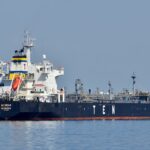
On Thursday, only four vessels transited the strait, among them the very large crude carrier Nissos Kea, transporting approximately 2 million barrels of Basrah crude oil from Iraq. The remaining vessels included two laden with liquefied petroleum gas and one minor bulk carrier. Overall, only six crude oil tankers have exited the strait this week, with a total of 21 vessels entering, primarily via Iranian routes.
Market Reactions
Despite attractive discounts of nearly $30 per barrel for Basrah Heavy and Basrah Medium crude offered by Iraq’s state oil marketer, SOMO, shipowners remain reluctant to anchor in the strait. This cautious approach is due to rising geopolitical tensions and the complex realities posed by ongoing regional negotiations. Several Chinese and Indian refiners have been actively searching for vessels to load crude but have encountered difficulties in securing agreements, with no vessels fixed as of yet.

Negotiations and Regional Tensions
The proposed arrangement between Iran and Oman aims to facilitate Tehran’s control over ships entering the Gulf through the strategic Strait of Hormuz. However, this potential agreement is complicated by entrenched U.S. sanctions and restrictive clauses regarding insurance payments, which create further uncertainties for shipping operators. With tensions rising since the start of the U.S.-Israeli conflict on February 28, the strait has seen a dramatic reduction in typical traffic, which typically ranged from 130 to 140 vessels before the crisis.
The Operational Read
The decline in transits through the Strait of Hormuz underscores the precarious conditions for shipping in this vital waterway. Operational decisions by shipowners are influenced by a combination of geopolitical developments and fluctuating oil prices. As ongoing negotiations unfold, the risk assessment for entering the strait will remain high, potentially leading to extended delays or rerouting. Stakeholders should monitor the situation closely, especially regarding how potential agreements between Iran and Oman evolve, as they could reshape operational frameworks for operators navigating this crucial maritime route.