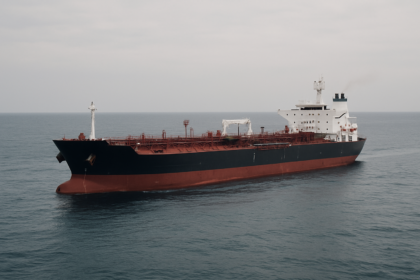
The maritime security environment has further deteriorated following the August 5 strike on NCC WAFA, a Saudi-flagged MR2 oil products tanker, which occurred off the coast of Yanbu during a domestic route to Jizan. This incident highlights an adaptation in Houthi tactics, as the vessel was attacked hundreds of kilometers from the declared Bab el-Mandeb blockade zone.
Incident Overview
According to Houthi military spokespeople, the attack involved a ballistic missile, targeting the tanker that had been operating in darkness since July 19. The vessel, with a deadweight of 49,990 DWT and operated by NCC under Aramco Trading, had likely altered its route northward following the announcement of the blockade on July 20. Despite not being engaged in any Bab el-Mandeb transit, the attack indicates that Houthi forces have expanded their operational targeting to include vessels along domestic routes, thereby rendering route avoidance ineffective for affected shipping operators.
Broader Maritime Security Implications
This attack is significant not only as the eighth claimed strike on Saudi oil tankers amid the ongoing blockade but also for its demonstration of the Houthi’s capability to target assets beyond the expected risk zones. With claims that the strike was executed from a long-range, its feasibility raises questions about the missile technology available to Houthi forces and the overall risk assessment for tankers bypassing traditional chokepoints.

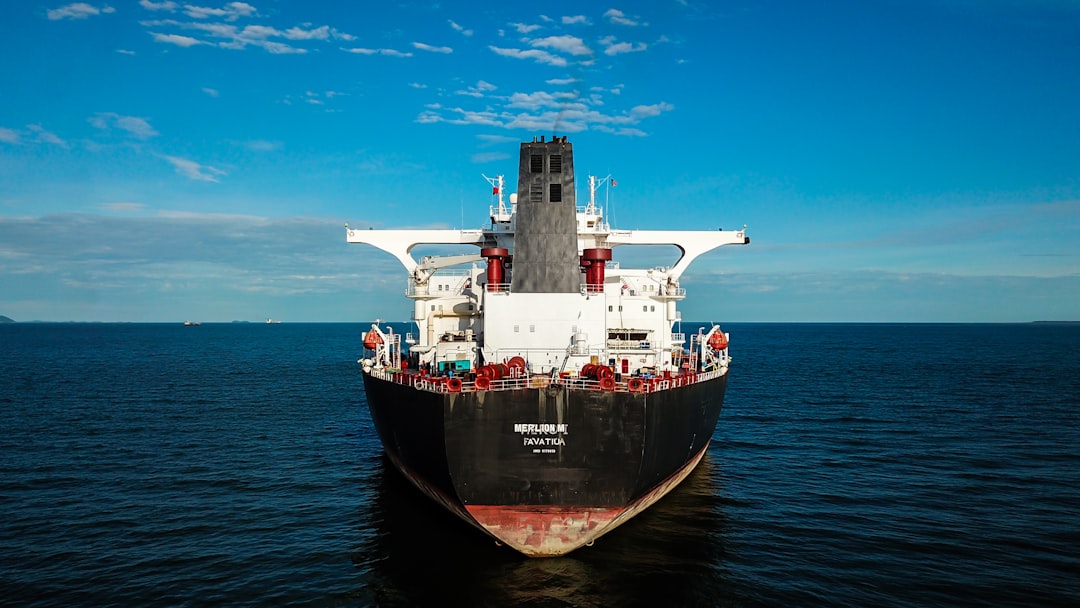
Adding complexity to the regional risk landscape, the MINOAN PIONEER was confirmed to be on fire after being struck by an unidentified projectile on August 3. The incident occurred approximately 20 nautical miles northeast of Khasab, Oman, leading to the ship suffering a total blackout and fire in the accommodation block, with operations to locate the missing third engineer underway.
The Operational Read
The recent escalation in attacks serves as a critical warning for shipping operators navigating the Red Sea and surrounding regions. With the shifting of Houthi strikes into domestic waters, the previous mitigation strategy of route avoidance may no longer suffice, forcing operators to reevaluate risk assessments and operational protocols. This evolving threat landscape raises concerns regarding both safety and increased insurance costs, especially as the region’s security situation is deemed ‘Critical’ by analysts. Increased vigilance and possibly new routing strategies may be necessary, alongside a relook at compliance with security advisories for all vessels in the area.