A Peruvian court has ordered the government to maintain oversight of the Chinese-owned Chancay port near Lima, reinforcing regulatory control in light of U.S. concerns regarding China’s expanding influence in the region. The decision, made public on July 2, 2026, overturns a January ruling that had granted exemptions from oversight by Peru’s infrastructure regulator, Ositran.
Context of the Ruling
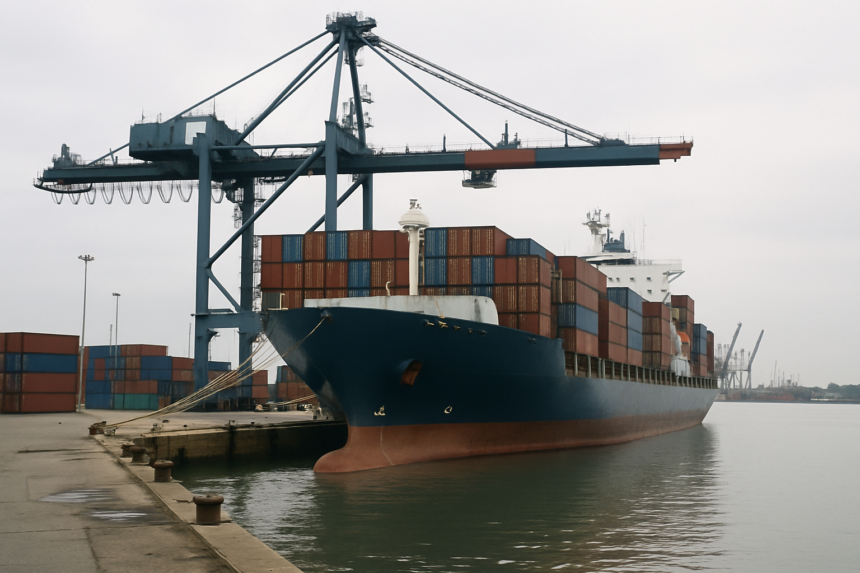
The Chancay port, operated by COSCO Shipping Ports, was inaugurated in 2024 and is projected to significantly reduce shipping times between Latin America and Asia. United States officials, including U.S. Ambassador to Peru, Bernie Navarro, have emphasized the necessity of preserving Peruvian sovereignty amid growing Chinese economic engagement. In a social media statement, Navarro expressed support for the judicial decision, highlighting the need for regulatory protections for port users.
Previously, the Trump administration articulated concerns that reduced oversight could lead to compromises in national sovereignty, stating, “Let this be a cautionary tale for the region and the world: cheap Chinese money costs sovereignty,” as expressed by the U.S. State Department’s Bureau of Western Hemisphere Affairs.


Potential Implications
The recent ruling classifies Chancay as a public-use port, consequently placing it under Ositran’s regulatory framework, which enables the agency to supervise, inspect, and sanction operations in accordance with Peruvian law. This outcome potentially paves the way for increased scrutiny of foreign investments in strategic infrastructure, particularly as U.S.-China competition intensifies.
China remains Peru’s largest trading partner, with the U.S. as the second. Amid these dynamics, U.S. Secretary of State Marco Rubio congratulated newly-elected conservative President Keiko Fujimori, indicating a willingness to deepen cooperation on trade and regional security post-elections.
The Operational Read
This ruling represents a significant moment for maritime operations and international investment policies in Peru. For shipping operators and stakeholders within the Chancay port ecosystem, the decision could lead to clearer regulatory expectations that may enhance operational integrity and security. However, it may also introduce complexities for foreign companies navigating the regulatory landscape in the region, particularly those with ties to China. In the context of heightened geopolitical tensions, the focus will shift to how regulators enforce these new controls and the potential for appeal from COSCO Shipping Ports regarding the ruling.