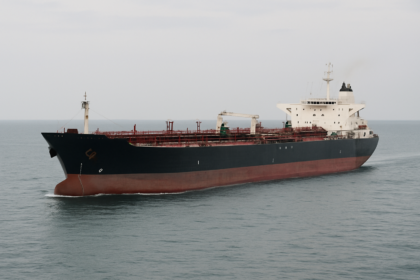
On August 2, 2026, the Italian Navy’s ITS Thaon di Revel successfully boarded the sanctioned oil tanker Toa Payoh during a routine flag-verification operation in international waters west of Pantelleria. This enforcement action is part of the European Union’s broader campaign to combat Russia’s notorious shadow fleet, which is often alleged to operate under illegitimate flags.
The Operation Details
The Toa Payoh, sailing under the declared flag of Cameroon after departing Cotonou, Benin, on July 16, was intercepted during its voyage to Istanbul. Initial resistance from the vessel’s master to cooperate with the boarding effort prompted the Italian naval personnel to be deployed via helicopter. The inspection, which lasted approximately two hours, concluded without incident. This activity was sanctioned under Article 110 of the United Nations Convention on the Law of the Sea (UNCLOS), allowing for the verification of a vessel’s nationality when there are reasonable grounds to suspect fraudulent registration.
Broader Enforcement Context
The boardings conducted by Operation IRINI signify not only a tactical response to potential violations but also a strategic commitment by European powers to enforce maritime sanctions comprehensively. Earlier in July, the operation engaged the sanctioned tanker South Star, indicating a consistent focus on vessels suspected of evading sanctions linked to Russia’s oil exports. This initiative has gained momentum since the EU expanded its enforcement capabilities earlier in the year, allowing for such inspections as part of the ongoing response to Russia’s geopolitical maneuvers.


Implications for Shipping Operators
With the EU ramping up its enforcement actions, shipping operators are advised to reassess their vessel documentation and adherence to flag-state regulations. The scrutiny on flag registrations and ownership transparency will become more pronounced as the EU and allied nations bolster their maritime enforcement strategies. The operational realities of the shadow fleet, including the use of aging tankers and questionable ownership structures, not only complicate regulatory compliance but also increase operational risks in an already volatile market.
The Operational Read
This latest boarding operation by the Italian Navy highlights an essential pivot in maritime law enforcement, integrating flag verification with broader sanctions enforcement. For operators, the imperative is clear: navigating the complexities of flag registration and vessel ownership will require enhanced diligence and transparency. As enforcement actions proliferate, the maritime community must prepare for an environment characterized by greater oversight, potential legal repercussions, and increased operational costs associated with compliance. Operators should monitor developments closely, as future enforcement efforts may extend beyond existing parameters, impacting the viability of certain trade routes.