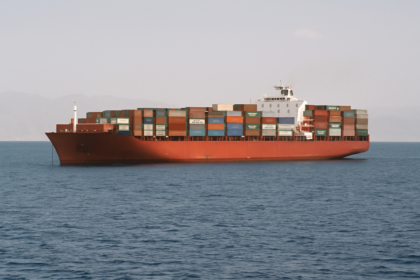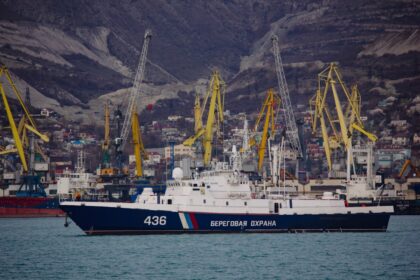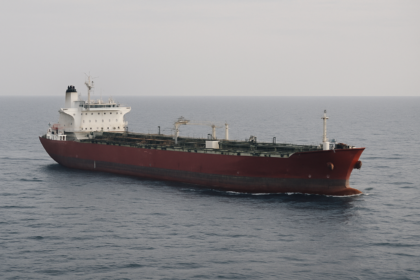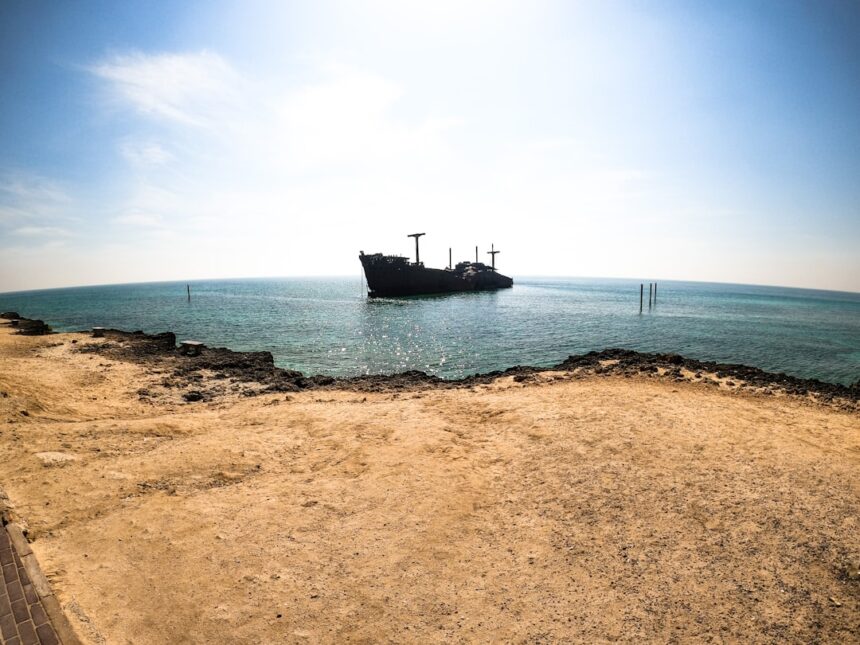
On Saturday, a Ukrainian long-range drone strike struck an Iranian commercial vessel in the Caspian Sea, marking a notable intersection of the ongoing conflicts in Ukraine and the Middle East. This attack, which resulted in an explosion and fatalities, raises alarms for maritime security in the region.
The Incident
The specifics of the Iranian vessel remain unclear, as it was not publicly identified at the time of the attack. The strike represents a direct consequence of escalating tensions, with Iranian officials asserting that the attack would elicit a proportional response. This incident calls into question the safety of commercial shipping operations in the Caspian Sea, an area of strategic importance for energy transport and regional stability.
Geopolitical Implications
Tehran’s vow to counterattack highlights the potential for further military engagement in the region, which could prompt a reevaluation of operational protocols for vessels transiting the area. The ripple effects of this strike may push shipping insurance premiums higher, particularly for operators in the Caspian Sea, and could lead to increased war-risk assessments by maritime insurers. As countries assess the fallout, shipping lines may also consider altering routes or increasing voyage security measures to mitigate potential threats.

The Operational Read
This incident underscores the increasingly complex nexus of global conflicts and their direct implications for maritime operations. With the geopolitical landscape shifting, operators must remain vigilant, especially given the propensity for retaliatory actions that could lead to further unrest. Close monitoring of vessel movements in the Caspian Sea is now essential, as any escalation could result in tangible impacts on supply chains and shipping logistics. Operators will need to engage closely with insurers and risk assessment firms to address potential increases in premiums and re-evaluate operational routes in light of the heightened threat environment.