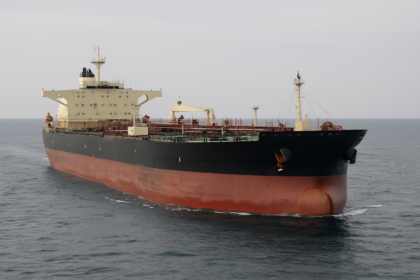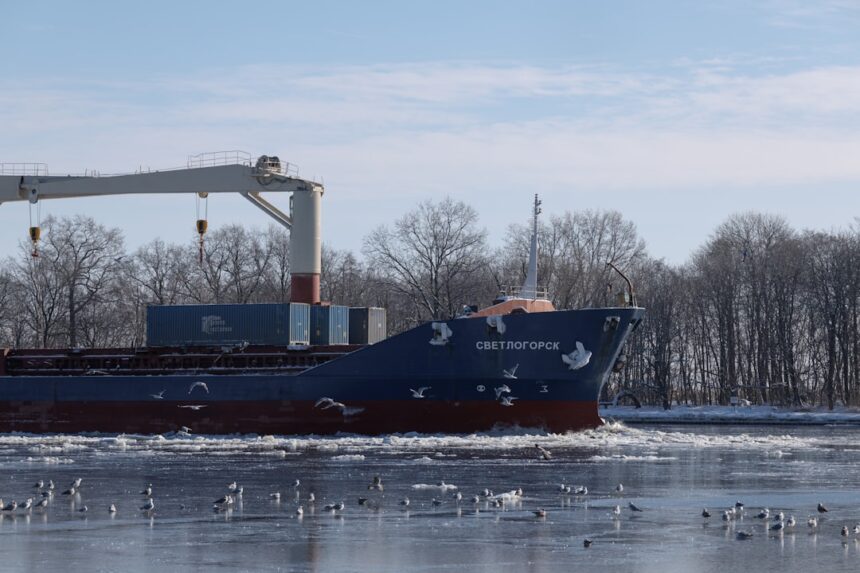
A tragic incident occurred during a ship recycling operation in Chattogram on 14 August, resulting in the deaths of ten workers. This accident has raised significant concerns regarding safety standards and the efficacy of existing risk assessments within the ship recycling industry.
The Incident
Initial reports suggest that the workers were engaged in the dismantling of the bottom of a double-bottom ballast tank when the exposure to hazardous conditions occurred. The situation escalated as hydrogen sulphide was released, a toxic gas heavier than air, forming dangerous clouds that posed risks even in open work environments.
Despite the workers being outside of a confined space, the nature of the exposure points to inadequacies in current safety protocols. The accident has sparked a debate on whether safety measures for hazardous materials must start prior to the first cut in recycling operations to adequately protect workers.

Safety Concerns in Ship Recycling
Prior successful recycling operations led to a false sense of security, as confidence naturally grows when tasks are completed without incident. However, this incident starkly illustrates that previous successes do not guarantee future safety. Observations indicate that prolonged biological activity within ballast tanks can lead to the development of conditions conducive to hazardous gas formation.
Biofilm development and prolonged closures of ballast tanks can create anoxic conditions, with changes in temperature and pH further exacerbating risks related to hydrogen sulphide. This incident highlights the critical need for ongoing safety evaluations, particularly in processes involving aging vessels that have undergone varying environmental conditions over extended periods.
The Operational Read
The recent fatalities in Chattogram expose significant lapses in operational safety practices during ship recycling operations, particularly regarding the management of hazardous gases in open areas. The maritime industry must prioritize comprehensive risk assessments that encompass not just confined spaces, but also open work environments where gases can accumulate unexpectedly. The fact that around 70% of the ship had already been recycled successfully before this incident signals a broader concern about complacency and the potential dangers that can arise as procedures are normalized. Going forward, stakeholders must rigorously reassess safety protocols to safeguard workers and prevent similar tragedies.