Update 29 Oct 2026, 20:33 UTC:
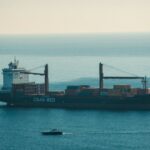
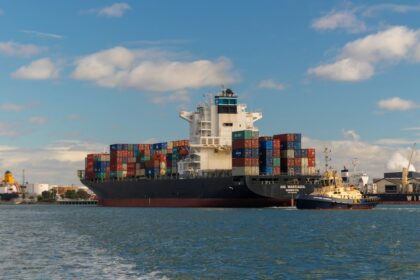
On Wednesday, a Greek container ship, the CONTSHIP JET, sank after sustaining significant damage from a naval drone attack in the Black Sea, as reported by the Bulgarian government. The vessel was transitioning through Bulgaria’s Exclusive Economic Zone (EEZ), en route from Haifa, Israel, to Constan?a, Romania, loaded with 421 containers.
The attack involved three unmanned surface vehicles (USVs) that struck the CONTSHIP JET. Fortunately, all 18 crew members, comprising 14 Filipinos and four Ukrainians, were successfully rescued and taken to the Bulgarian port of Varna. Video evidence confirmed the USV’s approach before it collided with the vessel, leading to an explosion that caused the sinking.

The Attack’s Context
This incident is part of a concerning uptick in maritime assaults linked to the ongoing conflict in Ukraine. Ambrey, a maritime risk management firm, analyzed footage of the drone and suggested it might be a variant derived from the Russian Murena-300S design. A total of six vessels have been targeted by similar drones in the Black Sea area this month alone, contributing to increasing fears over the safety of commercial shipping in this volatile zone.
Bulgaria’s Prime Minister Rumen Radev noted that some drone attacks appear to serve Russian interests, although Moscow has denied any involvement. Maritime security has become a priority for Bulgaria, a NATO and EU member, which has recently sought further defense assistance to secure its Black Sea waters.

Environmental Considerations
Following preliminary inspections after the CONTSHIP JET’s sinking, the Bulgarian government reported no visible pollution in the waters, despite the ship carrying potentially hazardous cargo, including lithium-ion batteries and corrosive materials. This aspect underscores the importance of not only addressing the immediate security threats but also the environmental risks posed by such maritime incidents.
The Operational Read
The escalation of drone attacks in the Black Sea reflects a complex shift in naval warfare tactics, presenting severe implications for shipping operations. Operators must now reassess risk management strategies, especially those transiting conflict-prone regions. Increased vessel insurance premiums and heightened security protocols will likely become prevalent as shipping lines adapt to the evolving threat landscape. Companies operating in these waters should prepare for potential reroutings and scrutinize compliance with emerging maritime security regulations to safeguard their crews and assets effectively.