

Update 20 Oct 2026, 20:32 UTC:
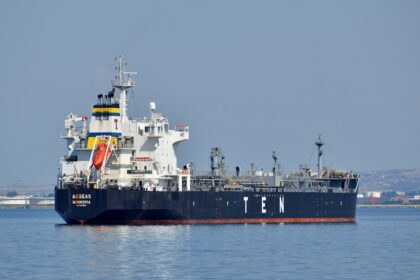
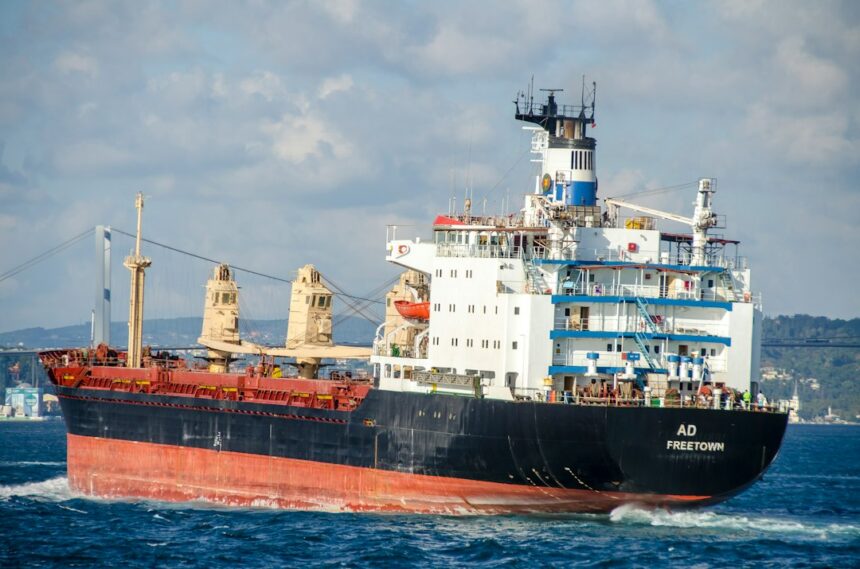
On Tuesday, Iran’s Islamic Revolutionary Guard Corps (IRGC) announced that two supertankers had suffered damage after striking naval mines in the southern region of the Strait of Hormuz. The IRGC alleges that these tankers were navigating unauthorized routes, violating Iranian transit regulations.
However, the credibility of these claims remains questionable. No independent verification has been provided, and multiple shipping advisories have reported a lack of substantiation for the IRGC’s statements. The Joint Maritime Information Center (JMIC) issued an advisory on October 18, categorically denying recent IRGC claims regarding two supertankers hitting mines, emphasizing, “there is no substantiation to these claims.”


Previous Allegations and Market Response
The recent statements from the IRGC are part of a series of similar claims made over recent months, often involving unidentified vessels allegedly damaged or destroyed by mines. For instance, on July 18, Iran’s military asserted that two oil tankers exploded in a minefield. Such claims have consistently received rejections from U.S. Central Command (CENTCOM), which labeled them as disinformation aimed at intimidating commercial shipping.
In August and September, further allegations followed, with reports of tankers striking mines and subsequently catching fire. Each time, the IRGC failed to provide specific details about the vessels involved, leaving much of the maritime community wary regarding operational safety in the strait.

The Stakes for Maritime Operators
The Strait of Hormuz is a vital maritime chokepoint, crucial for global oil trade, as it facilitates the transit of a significant portion of the world’s oil supply. Given the recent allegations and the surrounding geopolitical tensions, shipping operators are urged to exercise heightened vigilance when planning transits through the region. The constant stream of unverified claims poses challenges in route planning and risk management, resulting in potential operational disruptions.
The Operational Read
The ongoing accusations regarding mine strikes in the Strait of Hormuz illustrate the complexity of maritime operations in geopolitically sensitive areas. Operators must remain diplomatically attuned, balancing the need for security with the imperative of maintaining efficient supply chains. With increasing assertions from the IRGC, maritime stakeholders should closely monitor developments and consider real-time navigational updates from trusted sources, enhancing awareness of safe passage amidst the evolving claims. The potential for miscalculation in such a contested environment remains a critical concern for all vessels transiting this crucial maritime corridor.